

When it comes to working with plywood, one crucial aspect that often gets overlooked is the choice of sandpaper grit. As a seasoned plywood supplier, I've witnessed firsthand how the right sandpaper can transform a rough plywood surface into a smooth, professional finish. In this blog post, I'll delve into the science behind sandpaper grits and provide guidance on which ones are best suited for plywood projects.
Understanding Sandpaper Grit
Sandpaper is graded by its grit size, which refers to the number of abrasive particles per square inch on the paper's surface. A lower grit number indicates larger, coarser particles, while a higher grit number means smaller, finer particles. The grit size you choose depends on the specific task at hand, such as rough sanding, smoothing, or finishing.
Coarse Grits (40 - 80)
Coarse grit sandpapers, ranging from 40 to 80, are ideal for the initial stages of sanding plywood. These grits are designed to remove large amounts of material quickly, making them perfect for leveling uneven surfaces, removing rough edges, or stripping away old paint or varnish. When working with plywood, coarse grit sandpaper can help you achieve a more even surface before moving on to finer grits for a smoother finish.
However, it's important to use coarse grit sandpaper with caution, as it can easily create deep scratches and gouges in the plywood if not used properly. Always sand in the direction of the wood grain to minimize the risk of damage and ensure a more consistent finish.
Medium Grits (100 - 150)
Medium grit sandpapers, between 100 and 150, are commonly used for intermediate sanding. After using a coarse grit to level the surface, a medium grit can help smooth out the scratches left behind and prepare the plywood for a finer finish. These grits are also useful for sanding between coats of paint or varnish to promote better adhesion and a smoother appearance.
When using medium grit sandpaper, it's important to maintain a consistent pressure and sanding motion to avoid creating uneven spots or ridges on the plywood surface. You may also want to use a sanding block or power sander to ensure a more even and efficient sanding process.
Fine Grits (180 - 220)
Fine grit sandpapers, ranging from 180 to 220, are designed for the final stages of sanding and finishing. These grits can help remove any remaining scratches or imperfections and create a smooth, satin-like finish on the plywood surface. Fine grit sandpaper is often used before applying a final coat of paint, varnish, or stain to enhance the wood's natural beauty and protect it from damage.
When using fine grit sandpaper, it's important to be gentle and avoid applying too much pressure, as this can cause the sandpaper to clog or create a shiny, over-sanded surface. You may also want to use a light touch and sand in a circular motion to achieve a more uniform finish.
Extra-Fine Grits (240 - 400)
Extra-fine grit sandpapers, between 240 and 400, are typically used for very fine sanding and polishing. These grits can help create an ultra-smooth, mirror-like finish on the plywood surface, making them ideal for high-end furniture, cabinetry, or other decorative applications. Extra-fine grit sandpaper is often used after applying a final coat of paint or varnish to remove any dust particles or imperfections and enhance the finish's clarity and shine.
When using extra-fine grit sandpaper, it's important to use a clean, dry cloth to wipe away any dust or debris after sanding to prevent scratching the finish. You may also want to use a polishing compound or wax to further enhance the finish's shine and protection.
Choosing the Right Grit for Your Plywood Project
The choice of sandpaper grit depends on several factors, including the type of plywood you're using, the desired finish, and the specific task at hand. Here are some general guidelines to help you choose the right grit for your plywood project:
- Rough Sanding: For initial leveling and removing large amounts of material, use a coarse grit sandpaper (40 - 80).
- Intermediate Sanding: To smooth out the scratches left behind by coarse grit sandpaper and prepare the plywood for a finer finish, use a medium grit sandpaper (100 - 150).
- Final Sanding: For a smooth, satin-like finish, use a fine grit sandpaper (180 - 220).
- Polishing: For an ultra-smooth, mirror-like finish, use an extra-fine grit sandpaper (240 - 400).
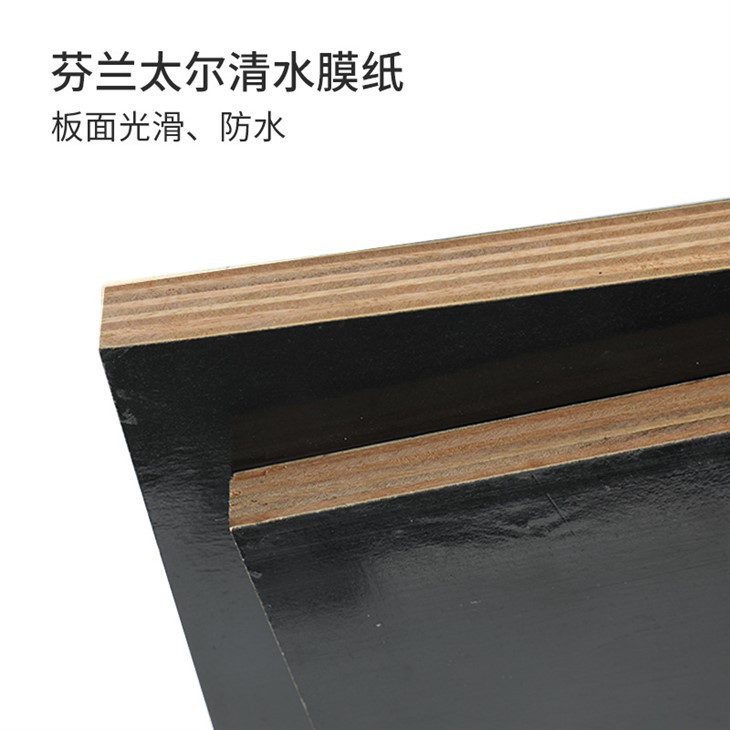
It's also important to note that different types of plywood may require different sanding techniques and grit sizes. For example, 30mm Waterproof Plywood may be more durable and require a coarser grit sandpaper for initial sanding, while Red Construction Plywood may be softer and require a finer grit sandpaper to avoid damaging the surface.

Tips for Sanding Plywood
In addition to choosing the right sandpaper grit, here are some tips to help you achieve a smooth, professional finish when sanding plywood:
- Use a Sanding Block or Power Sander: A sanding block or power sander can help you maintain a consistent pressure and sanding motion, resulting in a more even and efficient sanding process.
- Sand in the Direction of the Wood Grain: Sanding in the direction of the wood grain helps minimize the risk of damage and ensures a more consistent finish.
- Keep the Sandpaper Clean: Clogged sandpaper can reduce its effectiveness and create uneven spots on the plywood surface. To prevent clogging, regularly clean the sandpaper with a sandpaper cleaner or a stiff brush.
- Wear Protective Gear: Sanding can generate a lot of dust, which can be harmful to your health. To protect yourself, wear a dust mask, safety glasses, and gloves when sanding plywood.
Conclusion
Choosing the right sandpaper grit is essential for achieving a smooth, professional finish when working with plywood. By understanding the different grit sizes and their uses, you can select the appropriate sandpaper for your specific project and ensure the best possible results. Whether you're a DIY enthusiast or a professional woodworker, taking the time to choose the right sandpaper and follow proper sanding techniques can make a significant difference in the quality of your work.
If you're in the market for high-quality plywood, look no further. As a leading plywood supplier, we offer a wide range of plywood products, including 30mm Waterproof Plywood, Red Construction Plywood, and 18 Inch Pressure Treated Plywood. Our plywood is sourced from the finest materials and manufactured to the highest standards, ensuring durability, strength, and performance.
Whether you're working on a small DIY project or a large construction job, our team of experts is here to help. Contact us today to discuss your plywood needs and learn more about our products and services. We look forward to working with you!
References
- Wood Finishing: The Complete Guide to Choosing and Using Wood Finishes by Bob Flexner
- The Woodworker's Guide to Sanding by Rick Arons
- Plywood: A Comprehensive Guide to Selection, Use, and Installation by Gary Katz