

As a supplier of Sanded Plywood 4x8, I often get asked about the surface hardness of this popular building material. In this blog post, I'll delve into what surface hardness means for Sanded Plywood 4x8, the factors that influence it, and why it matters in various applications.
Understanding Surface Hardness
Surface hardness refers to the ability of a material's surface to resist indentation, abrasion, and wear. For Sanded Plywood 4x8, which is a commonly used type of plywood with dimensions of 4 feet by 8 feet and a sanded finish, surface hardness is a crucial characteristic. It determines how well the plywood can withstand the rigors of daily use, whether it's in a construction project, furniture making, or other applications.
The surface hardness of Sanded Plywood 4x8 is typically measured using the Janka hardness test. This test involves driving a 0.444 - inch (11.28 - mm) steel ball into the wood until it penetrates half of its diameter. The force required to achieve this penetration is measured in pounds - force (lbf), and the resulting value is the Janka hardness rating. A higher Janka rating indicates a harder and more resistant surface.
Factors Affecting the Surface Hardness of Sanded Plywood 4x8
Wood Species
The type of wood used in the plywood plays a significant role in determining its surface hardness. Different wood species have different inherent hardness levels. For example, hardwoods like oak and maple are generally much harder than softwoods like pine. When manufacturing Sanded Plywood 4x8, the choice of wood species for the face veneer (the outermost layer) has a direct impact on the surface hardness. If the face veneer is made of a hard - wood species, the plywood will have a higher surface hardness compared to one with a soft - wood face veneer.
Glue and Bonding
The quality of the glue used in the plywood and the bonding process also affect surface hardness. A strong and durable glue bond helps to hold the layers of the plywood together tightly. This not only contributes to the overall structural integrity of the plywood but also enhances its surface hardness. If the glue is of poor quality or the bonding process is not carried out correctly, the plywood may be more prone to delamination and have a lower surface hardness.
Veneer Thickness and Quality
The thickness and quality of the face veneer can influence surface hardness. A thicker face veneer generally provides more resistance to wear and indentation. Additionally, a high - quality veneer with fewer defects, such as knots or voids, will have a more consistent and harder surface. Defects in the veneer can weaken the surface and make it more susceptible to damage.
Importance of Surface Hardness in Different Applications
Construction
In construction, Sanded Plywood 4x8 is often used for subflooring, wall sheathing, and roofing. A high surface hardness is essential for subflooring as it needs to withstand the weight of furniture, foot traffic, and the installation of floor coverings. A hard - surfaced plywood will be less likely to develop dents or scratches over time, ensuring a long - lasting and smooth subfloor. For wall sheathing and roofing, surface hardness helps the plywood resist damage from handling during installation and environmental factors such as wind - driven debris.
Furniture Making
When it comes to furniture making, surface hardness is crucial for the durability and appearance of the finished product. Tables, cabinets, and chairs made from Sanded Plywood 4x8 with a hard surface are more resistant to scratches, stains, and general wear and tear. This is especially important for pieces that will be used frequently, such as dining tables or kitchen cabinets. A hard - surfaced plywood can maintain its aesthetic appeal for a longer period, providing better value for the customer.
DIY Projects
For DIY enthusiasts, the surface hardness of Sanded Plywood 4x8 can make a big difference in the success of their projects. Whether it's building a bookshelf, a workbench, or a playhouse, a plywood with a hard surface is easier to work with and will result in a more durable and professional - looking finished product. It can also withstand the rough handling that often occurs during the construction process.

Comparing with Other Types of Plywood
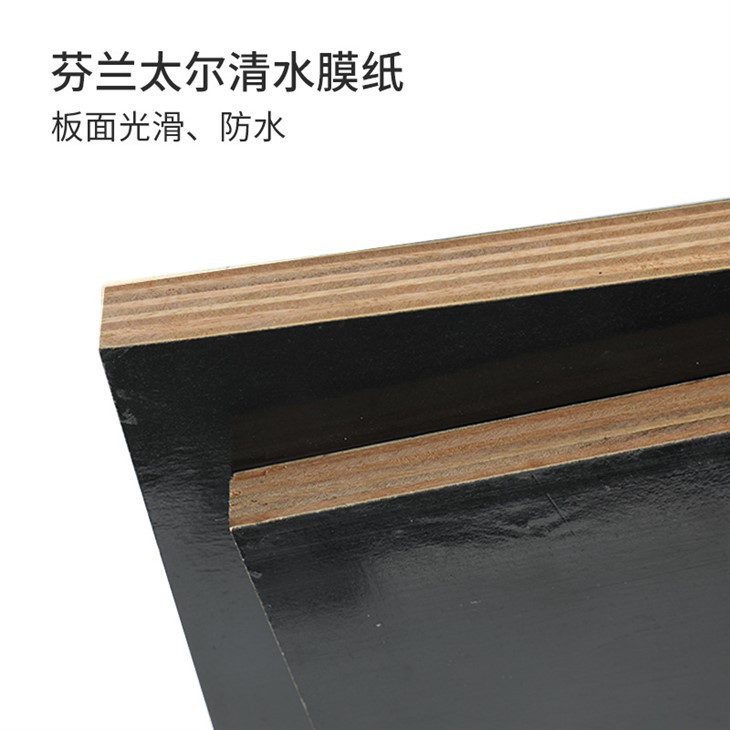
When considering Sanded Plywood 4x8, it's useful to compare its surface hardness with other types of plywood. For instance, 18 Inch Marine Plywood is designed to be used in marine environments and typically has a high surface hardness to resist water damage, rot, and abrasion. The face veneers of marine plywood are often made from high - quality hardwoods, which contribute to its hardness.
18 Inch Pressure Treated Plywood is treated with chemicals to protect it from decay and insects. The treatment process can also affect the surface hardness. In some cases, the treatment may slightly increase the hardness of the plywood, making it more resistant to wear and tear.
18mm Waterproof Plywood is engineered to be water - resistant. While its primary focus is on waterproofing, the quality of the wood and the manufacturing process can also influence its surface hardness. A well - made 18mm waterproof plywood will have a relatively hard surface to ensure its durability in wet conditions.
Measuring and Assessing Surface Hardness
As a supplier, we ensure that our Sanded Plywood 4x8 meets high - quality standards for surface hardness. We work with reliable manufacturers who conduct regular Janka hardness tests on their products. Before offering the plywood to our customers, we also perform our own quality checks to verify the surface hardness.
When you receive a sample of our Sanded Plywood 4x8, you can perform some simple tests to assess its surface hardness. For example, you can try scratching the surface gently with a hard object. If the surface shows only minor marks or no marks at all, it indicates a relatively hard surface. You can also look for signs of wear or indentation on the edges of the plywood, which can give you an idea of its overall durability.
Conclusion
The surface hardness of Sanded Plywood 4x8 is a critical characteristic that affects its performance in various applications. It is influenced by factors such as wood species, glue and bonding, and veneer thickness and quality. Whether you're a contractor, a furniture maker, or a DIY enthusiast, understanding the surface hardness of the plywood you're using is essential for ensuring the success and longevity of your projects.
If you're interested in purchasing Sanded Plywood 4x8 or have any questions about its surface hardness or other properties, please don't hesitate to contact us. We're here to provide you with the best - quality products and expert advice to meet your needs.
References
- Forest Products Laboratory. "Wood Handbook: Wood as an Engineering Material." U.S. Department of Agriculture, Forest Service.
- Panshin, A. J., & de Zeeuw, C. "Textbook of Wood Technology." McGraw - Hill.