

Hey there! As a supplier of 18 Inch Marine Plywood, I often get asked about the water absorption rate of this product. So, I thought I'd dive into the topic and share some insights with all of you.

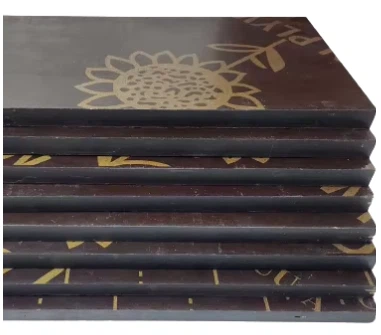
First off, let's understand what water absorption rate means. Simply put, it's the amount of water a material can absorb over a certain period. For marine plywood, this rate is crucial because it's designed to be used in wet or high - humidity environments, like boats or docks. A lower water absorption rate indicates better resistance to water damage, such as warping, swelling, and rotting.
Now, the water absorption rate of 18 Inch Marine Plywood can vary depending on several factors. One of the major factors is the type of wood used. High - quality hardwoods, like mahogany or teak, generally have a lower water absorption rate compared to softer woods. That's why our Hardwood Large Thickness Plywood is a popular choice when it comes to marine applications. These hardwoods have natural oils and dense cell structures that make it harder for water to penetrate.
Another factor is the manufacturing process. Our 18 Inch Marine Plywood goes through a rigorous lamination process. We use high - grade adhesives that are water - resistant. These adhesives not only hold the layers of the plywood together but also form a barrier that helps reduce water absorption. The edges of the plywood are also sealed during production to prevent water from seeping in through the sides.
So, what's the typical water absorption rate for our 18 Inch Marine Plywood? Well, after conducting standard tests in a controlled environment, we've found that our plywood usually has a water absorption rate of around 10 - 15% after being submerged in water for 24 hours. This is a relatively low rate compared to regular plywood. For example, regular construction plywood might have a water absorption rate of 20 - 30% under the same conditions.
Why is this low water absorption rate so important? When plywood absorbs water, it can start to swell. This swelling can cause the joints to loosen, and over time, the structure can become unstable. It can also lead to the growth of mold and mildew, which not only looks bad but can also pose a health risk. With our 18 Inch Marine Plywood, you don't have to worry as much about these issues.
If you're planning to use the plywood outdoors, you'll be glad to know that our product is also great as Waterproof Plywood for Outdoor. Whether it's for building an outdoor shed, a deck, or even a playhouse for the kids, the low water absorption rate ensures that it will last for years without significant damage from rain, snow, or humidity.
And if you're looking for standard - sized sheets, you might be interested in our Waterproof Plywood 4x8 Sheet Lowes. These sheets follow the common 4x8 size, which is convenient for many construction and DIY projects.
Now, I know some of you might be wondering about the long - term performance. We've had customers who've used our 18 Inch Marine Plywood for over a decade, and they've reported that the plywood still looks and performs great. Of course, proper maintenance is still important. You can apply a waterproof sealant periodically to further enhance its water - resistance.
In addition to its water - resistant properties, our 18 Inch Marine Plywood is also strong and durable. It can withstand heavy loads and is resistant to impact. This makes it suitable for a wide range of applications in the marine and outdoor construction industries.
If you're in the market for high - quality 18 Inch Marine Plywood, don't hesitate to reach out. Whether you're a professional contractor working on a large - scale project or a DIY enthusiast building something for your home, we've got the right product for you. We can provide you with samples so you can test the plywood's quality and water absorption rate for yourself.
Contact us today to discuss your requirements and get a quote. We're here to help you make the best choice for your project.
References
- "Wood Handbook: Wood as an Engineering Material", Forest Products Laboratory
- "Plywood Manufacturing and Properties", various industry publications