

There are significant differences between laminated plywood and veneer plywood in multiple aspects. Here is a detailed comparison between the two:
1, Structure and Composition
Laminated plywood:
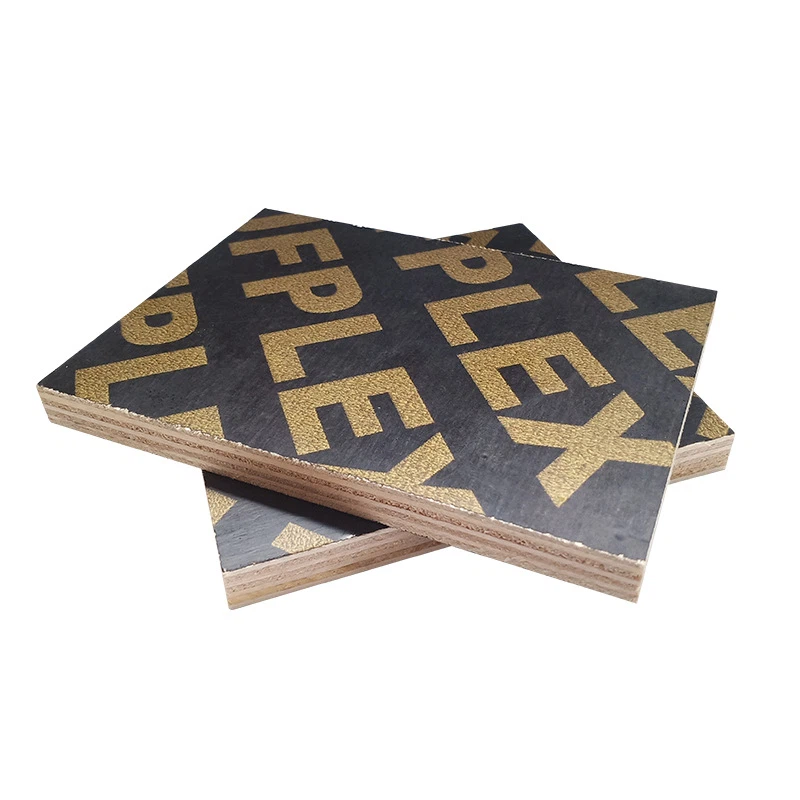
On the basis of ordinary plywood, the surface is covered with a layer of plastic film (such as polyester or polyamide film).
This layer of film is tightly bonded to the plywood through hot pressing or cold pressing, improving the moisture resistance, wear resistance, and chemical corrosion resistance of the board.
Single board plywood (i.e. ordinary plywood):
It is a board made of multiple layers of thin wooden sheets (veneers) arranged in a cross pattern and bonded together with glue.
The number of layers is usually odd, and the wood grain direction between layers is perpendicular to each other to improve the strength and stability of the board.
2, Performance characteristics
Laminated plywood:
It has excellent moisture resistance and can effectively prevent moisture infiltration.
The surface is wear-resistant, scratch resistant, and not easily damaged by external forces.
Strong resistance to chemical corrosion, able to resist a certain degree of chemical erosion.
Easy to process, convenient for producing various shapes and sizes of boards.
Single board plywood:
Good structural strength and high stability.
Has a certain degree of moisture resistance, but is inferior to laminated plywood.
The surface quality depends on the material and processing accuracy of the veneer.
3, Application scenarios
Laminated plywood:
Widely used in furniture manufacturing, such as cabinet doors, tabletops, and other components.
In the field of architecture, it can be used as decorative materials such as wall panels, ceilings, and floors.
It can also be used as packaging material to protect the safety of fragile items during transportation.
Single board plywood:
Mainly used in the fields of construction, vehicle and vessel manufacturing, etc.
Can be used as a bottom plate for decorative panels, a back plate for panel furniture, etc.
Suitable for occasions that require load-bearing and stability.
4, Price and Environmental Protection
Price: Laminated plywood is usually priced higher than veneer plywood because it is covered with a layer of plastic film on the surface, which increases its added value and aesthetics.
Environmental friendliness: The environmental friendliness of both mainly depends on the glue and raw materials used. High quality plywood should use environmentally friendly adhesives and comply with relevant environmental standards.
In summary, there are significant differences between laminated plywood and veneer plywood in terms of structure and composition, performance characteristics, application scenarios, as well as price and environmental friendliness. When making a choice, a balance should be made based on specific usage scenarios and requirements.