

As a supplier of Black Film Plywood, I often encounter inquiries regarding its environmental implications. This blog aims to shed light on the environmental concerns associated with Black Film Plywood, providing a comprehensive overview of its production, use, and disposal.
Production Process and Environmental Impact
The production of Black Film Plywood involves several steps, each with its own environmental footprint. The primary materials used are wood veneers and a black phenolic film. The sourcing of wood is a critical aspect from an environmental perspective. Sustainable forestry practices can significantly reduce the negative impact on forests. When wood is harvested from well - managed forests, it ensures the long - term health and biodiversity of the ecosystem. Certification programs such as the Forest Stewardship Council (FSC) play a crucial role in identifying wood that has been sourced sustainably.
During the manufacturing process, the application of the black phenolic film requires the use of adhesives and chemicals. These substances can emit volatile organic compounds (VOCs) into the air. VOCs are known to contribute to air pollution and can have adverse effects on human health, including respiratory problems and irritation of the eyes, nose, and throat. However, many modern manufacturers are now adopting low - VOC adhesives and production techniques to minimize these emissions.
Another concern during production is the energy consumption. The processes of drying the wood veneers, pressing the plywood, and applying the film require a significant amount of energy. To address this, some manufacturers are turning to renewable energy sources such as solar or hydro - power to power their production facilities. This shift not only reduces the carbon footprint of the production process but also helps in the transition towards a more sustainable future.
Use of Black Film Plywood and Environmental Considerations
Black Film Plywood is widely used in the construction industry, particularly for formwork. Its smooth surface and high strength make it an ideal choice for creating concrete molds. One of the environmental benefits of using Black Film Plywood in formwork is its reusability. Unlike some other formwork materials that are single - use, Black Film Plywood can be used multiple times before it needs to be replaced. This reduces the overall demand for new materials and, in turn, the environmental impact associated with their production.

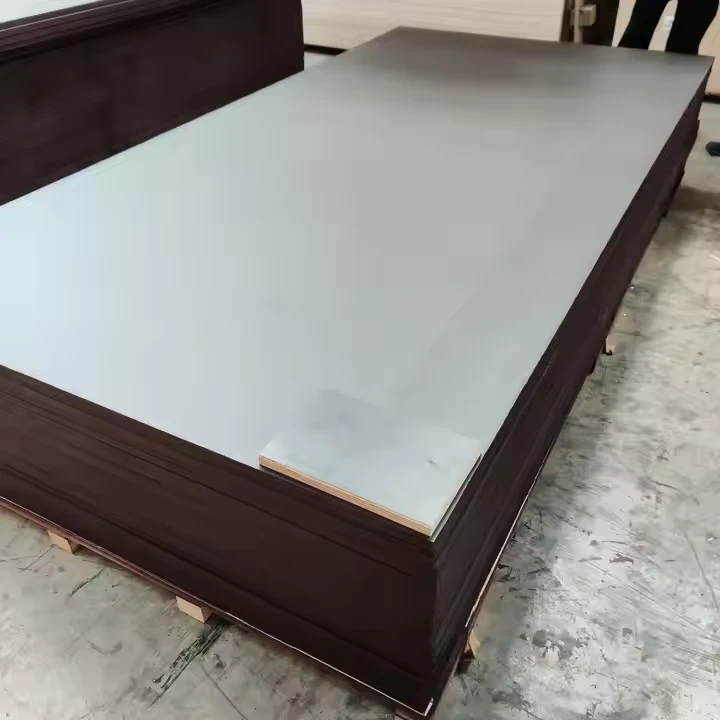
However, during its use, there is a risk of chemical leaching if the plywood comes into contact with water or other substances. The black phenolic film and adhesives may release chemicals over time, which can contaminate soil and water sources. To mitigate this risk, proper handling and maintenance of the plywood are essential. For example, ensuring that the plywood is not left exposed to the elements for extended periods and that any spills or leaks are cleaned up promptly.
Disposal of Black Film Plywood
When Black Film Plywood reaches the end of its useful life, proper disposal is crucial. If it is sent to a landfill, the plywood may take a long time to decompose, especially if it contains synthetic materials such as the black phenolic film. Additionally, the chemicals in the plywood can leach into the soil and groundwater, posing a threat to the environment.
Recycling is a more environmentally friendly option for disposing of Black Film Plywood. Some recycling facilities can separate the wood from the film and adhesives, allowing the wood to be reused in other products such as particleboard or mulch. However, the recycling process can be complex and may require specialized equipment. As a result, not all areas have the infrastructure in place to recycle Black Film Plywood effectively.
Comparison with Other Similar Products
When considering the environmental impact of Black Film Plywood, it is useful to compare it with other similar products such as Brown Film Faced Plywood and Brown Shuttering Plywood. These products have similar applications in the construction industry and are also made from wood veneers and a film.
The environmental concerns associated with these products are similar to those of Black Film Plywood. However, the type of film and adhesives used may vary, which can affect the level of VOC emissions and chemical leaching. For example, some brown films may be made from different materials that have a lower environmental impact compared to the black phenolic film.
In terms of reusability, all three types of plywood can be used multiple times in formwork. However, the durability of the film and the overall quality of the plywood can influence the number of times they can be reused. 18mm Black Film Faced Plywood 18mm is often known for its high strength and durability, which may result in a longer service life and fewer replacements compared to some other products.
Conclusion and Call to Action
In conclusion, while there are some environmental concerns associated with Black Film Plywood, there are also many ways to mitigate these impacts. From sustainable sourcing of wood to the use of low - VOC adhesives and proper disposal methods, the industry is making significant progress towards reducing the environmental footprint of Black Film Plywood.
As a supplier, I am committed to providing high - quality Black Film Plywood that meets the highest environmental standards. We work closely with our manufacturers to ensure that our products are sourced and produced in an environmentally responsible manner.
If you are interested in purchasing Black Film Plywood or have any questions regarding its environmental impact, please feel free to contact us for a detailed discussion. We are more than happy to assist you in making an informed decision that is both environmentally friendly and suitable for your construction needs.
References
- Forest Stewardship Council (FSC). (Year). Sustainable Forest Management Guidelines.
- Environmental Protection Agency (EPA). (Year). Volatile Organic Compounds (VOCs) and Their Impact on Air Quality.
- Construction Industry Research Institute. (Year). Reusability of Formwork Materials in Construction.