

As a supplier of Black Film Plywood, I often get asked whether black film plywood can be glued easily. This is a crucial question for many construction and woodworking professionals, as the ease of gluing directly impacts the efficiency and quality of their projects. In this blog, I'll delve into the factors that affect the gluing process of black film plywood and share some insights based on my experience in the industry.
Understanding Black Film Plywood
Before we discuss the gluing process, let's first understand what black film plywood is. Black Film Plywood is a type of film - faced plywood that has a black film on its surface. This film is usually made of phenolic resin or other similar materials, which provides the plywood with excellent waterproof, wear - resistant, and anti - corrosion properties. It is widely used in construction formwork, furniture manufacturing, and other fields. You can find more information about it on our website Black Film Plywood.
Factors Affecting the Gluing of Black Film Plywood
Surface Characteristics
The surface of black film plywood is smooth and has a certain degree of hydrophobicity due to the film coating. This can pose a challenge when it comes to gluing. The smooth surface reduces the contact area between the glue and the plywood, making it difficult for the glue to form a strong bond. Additionally, the hydrophobic nature of the film may prevent the glue from wetting the surface properly, resulting in poor adhesion.
However, some modern black film plywood products are designed with a surface treatment that improves their gluing performance. For example, the film may have a micro - rough texture or be treated with a special chemical to enhance its wettability. When choosing black film plywood for gluing applications, it's important to consider the surface characteristics of the product.
Type of Glue
The type of glue used also plays a significant role in the gluing process. Different glues have different properties, such as viscosity, curing time, and bonding strength. For black film plywood, epoxy glues and polyurethane glues are often recommended.
Epoxy glues are known for their high bonding strength and excellent chemical resistance. They can form a strong bond with the film surface of the plywood, even on a relatively smooth surface. Polyurethane glues, on the other hand, have good flexibility and can adapt to the expansion and contraction of the plywood caused by temperature and humidity changes. They also have the ability to penetrate the micro - pores on the film surface, improving the bonding effect.
Environmental Conditions
Environmental conditions, such as temperature and humidity, can greatly affect the gluing process. Most glues have an optimal temperature and humidity range for curing. If the temperature is too low, the curing process will be slow, and the bonding strength may be reduced. High humidity can also cause problems, as it may prevent the glue from drying properly or cause the film on the plywood to delaminate.
It's recommended to carry out the gluing process in an environment with a temperature between 20 - 30°C and a relative humidity of 40 - 60%. If the environmental conditions are not ideal, it may be necessary to use a glue that is more tolerant of these conditions or to take measures to adjust the environment, such as using a heater or a dehumidifier.
Tips for Gluing Black Film Plywood
Surface Preparation
Proper surface preparation is essential for a successful gluing process. First, clean the surface of the black film plywood to remove any dust, grease, or other contaminants. You can use a mild detergent and a clean cloth to wipe the surface. After cleaning, let the plywood dry completely.
If the surface of the plywood is very smooth, you can lightly sand it with fine - grit sandpaper to create a micro - rough surface. This will increase the contact area between the glue and the plywood and improve the bonding strength. However, be careful not to sand too hard, as this may damage the film on the surface.
Glue Application
When applying the glue, make sure to apply it evenly on the surface of the plywood. Use a brush or a roller to spread the glue, and ensure that the entire bonding area is covered. The amount of glue applied should be appropriate; too much glue may cause the glue to squeeze out during the pressing process, while too little glue may result in poor adhesion.
Pressing and Curing
After applying the glue, press the two pieces of plywood together firmly. You can use clamps or a press to apply pressure. The pressure should be evenly distributed across the bonding area to ensure a uniform bond. The pressing time depends on the type of glue used; refer to the manufacturer's instructions for the specific pressing time.
During the curing process, it's important to keep the plywood in a stable environment without any movement or vibration. Let the glue cure completely before using the plywood in your project.
Applications of Glued Black Film Plywood
Glued black film plywood has a wide range of applications. In the construction industry, it can be used to make large - scale formwork structures. By gluing multiple pieces of black film plywood together, you can create formwork of various shapes and sizes, which can be used for casting concrete columns, beams, and slabs. The excellent waterproof and wear - resistant properties of the black film plywood ensure that the formwork can be reused multiple times, reducing construction costs.

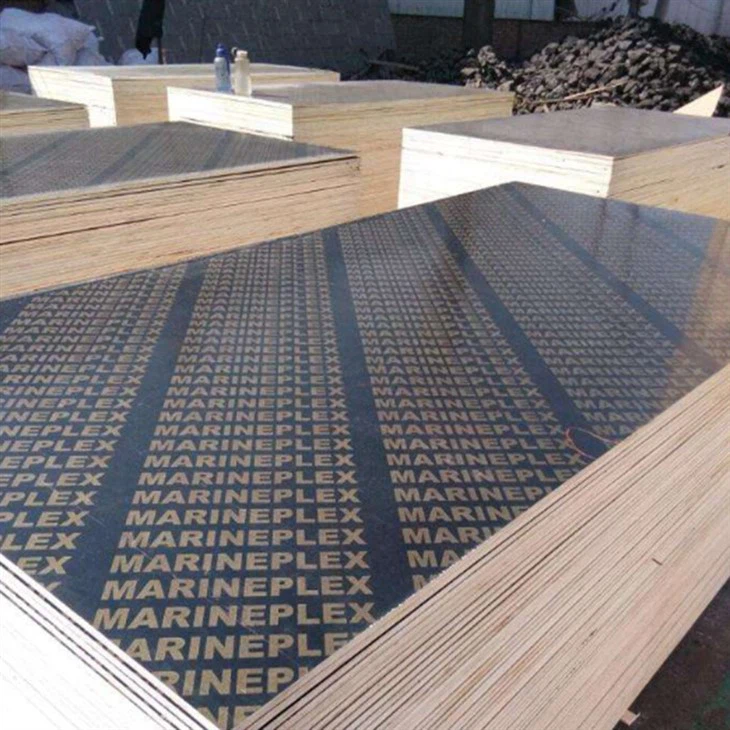
In the furniture manufacturing industry, glued black film plywood can be used to make high - quality furniture components. The smooth and black surface of the plywood gives the furniture a modern and stylish look. For example, it can be used to make cabinets, desks, and shelves.
Conclusion
In conclusion, while black film plywood may present some challenges when it comes to gluing due to its surface characteristics, with the right approach, it can be glued effectively. By considering factors such as surface preparation, type of glue, and environmental conditions, and following the proper gluing procedures, you can achieve a strong and durable bond.
If you are interested in our Black Film Plywood products and have any questions about gluing or other aspects, please feel free to contact us for further discussion. We are always ready to provide you with the best solutions for your projects. Whether you need Black Formwork Plywood or Black Phenolic Plywood, we have a wide range of products to meet your needs.
References
- Wood Handbook: Wood as an Engineering Material. Forest Products Laboratory.
- Gluing Technology for Wood - Based Panels. Industry Research Report.