

Hey there! As a supplier of Black Formwork Plywood, I've seen firsthand the importance of anti - corrosion ability in this product. In construction projects, formwork plywood is often exposed to various harsh environments, including moisture, chemicals, and physical abrasion. That's why improving its anti - corrosion ability is crucial. In this blog, I'll share some effective ways to enhance the anti - corrosion performance of black formwork plywood.
1. Choose High - Quality Raw Materials
The first step in improving the anti - corrosion ability of black formwork plywood is to start with high - quality raw materials. The core of the plywood should be made from strong and durable wood species. For example, birch is a popular choice due to its tight grain structure and natural resistance to decay. You can check out our Birch Film Faced Plywood which uses high - grade birch wood.
The film that covers the plywood also plays a vital role. A good film should have excellent water - proof and chemical - resistant properties. It acts as a barrier between the wood and the external environment, preventing moisture and corrosive substances from penetrating the plywood. Our Film Coated Plywood is coated with a high - quality film that provides reliable protection.
2. Proper Manufacturing Processes
The manufacturing process of black formwork plywood has a significant impact on its anti - corrosion ability. During the production, the wood veneers need to be properly dried to reduce the moisture content. Excessive moisture in the wood can lead to mold growth and rot over time.

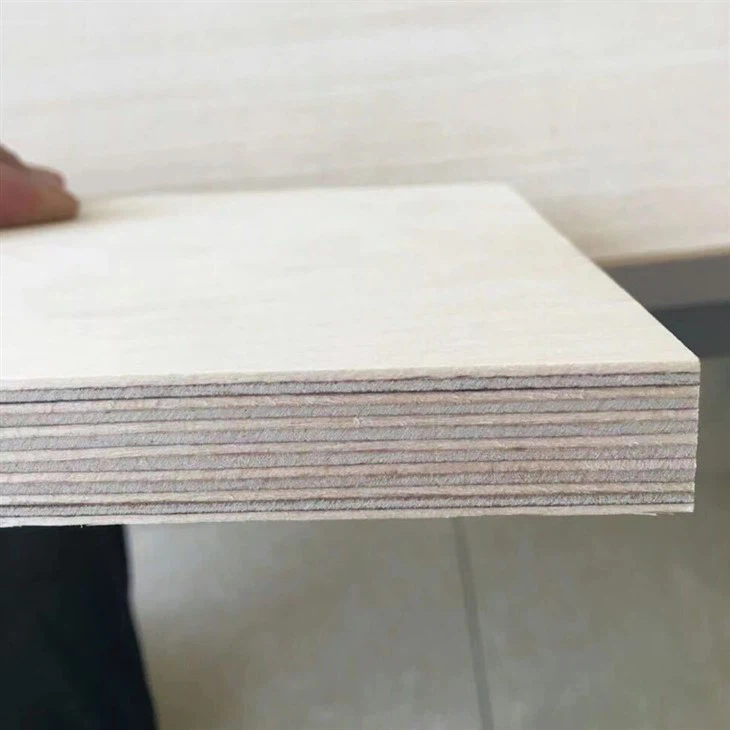
Gluing is another critical step. High - quality glue should be used to ensure strong bonding between the veneers. A good glue not only holds the plywood together but also has some anti - corrosion properties. It can prevent water from seeping into the joints and causing delamination.
After the plywood is assembled, it should undergo a heat - pressing process. This process helps to further strengthen the structure of the plywood and improve the adhesion of the film. A well - heat - pressed plywood is more resistant to water and other corrosive agents.
3. Surface Treatment
Surface treatment is an effective way to enhance the anti - corrosion ability of black formwork plywood. One common method is to apply a protective coating. There are different types of coatings available, such as epoxy coatings and polyurethane coatings.
Epoxy coatings are known for their excellent chemical resistance and adhesion. They can form a hard and durable protective layer on the surface of the plywood, preventing moisture, chemicals, and abrasion. Polyurethane coatings, on the other hand, offer good flexibility and weather resistance. They can withstand changes in temperature and humidity without cracking or peeling.
Another surface treatment option is to use a water - repellent agent. This agent can be sprayed or brushed onto the surface of the plywood. It works by reducing the surface tension of the wood, making it difficult for water to penetrate. This is especially useful in preventing water - related corrosion.
4. Storage and Handling
Proper storage and handling also contribute to the anti - corrosion ability of black formwork plywood. When storing the plywood, it should be placed in a dry and well - ventilated area. Avoid storing it directly on the ground, as this can allow moisture to seep into the plywood from the bottom. Instead, use pallets or racks to keep the plywood off the ground.
During transportation and handling, care should be taken to prevent damage to the plywood. Any scratches or dents on the surface can compromise the integrity of the film and expose the wood to the environment. If the plywood is damaged, it should be repaired immediately to prevent corrosion from starting.
5. Regular Maintenance
Even with all the preventive measures, regular maintenance is still necessary to keep the black formwork plywood in good condition. After each use, the plywood should be cleaned to remove any dirt, debris, or chemical residues. A mild detergent and water can be used for cleaning.
Inspect the plywood regularly for any signs of damage or corrosion. If any problems are found, they should be addressed promptly. For example, if there are small scratches on the film, a touch - up coating can be applied to repair them.
6. Consider the Application Environment
Different application environments require different levels of anti - corrosion protection. For example, if the black formwork plywood is used in a coastal area, it will be exposed to saltwater and high humidity, which are highly corrosive. In this case, a more heavy - duty anti - corrosion treatment may be needed.
On the other hand, if the plywood is used in an indoor construction project with a relatively dry environment, a standard level of anti - corrosion protection may be sufficient. Understanding the application environment and choosing the appropriate level of protection can help to optimize the anti - corrosion ability of the plywood.
7. Use of Additives
Some additives can be incorporated into the plywood during the manufacturing process to improve its anti - corrosion ability. For example, anti - fungal agents can be added to prevent mold growth. These agents work by inhibiting the growth of fungi on the wood surface.
Corrosion inhibitors can also be used. They can react with the metal ions in the environment or on the surface of the plywood to form a protective layer. This layer can slow down or prevent the corrosion process.
8. Quality Control
Quality control is essential throughout the entire process, from raw material selection to the final product. At our company, we have a strict quality control system in place. We test the raw materials before using them to ensure they meet our quality standards.
During the manufacturing process, we conduct regular inspections to monitor the quality of the plywood. After the production is completed, each batch of plywood is tested for its anti - corrosion ability. Only the products that pass our strict tests are allowed to leave the factory.
In conclusion, improving the anti - corrosion ability of black formwork plywood requires a comprehensive approach. By choosing high - quality raw materials, using proper manufacturing processes, applying surface treatments, and taking good care of the plywood during storage, handling, and use, we can significantly enhance its anti - corrosion performance.
If you're interested in our black formwork plywood or have any questions about improving its anti - corrosion ability, feel free to contact us for a procurement discussion. We're always here to provide you with the best products and solutions.
References
- Wood Handbook: Wood as an Engineering Material. Forest Products Laboratory.
- Handbook of Wood Chemistry and Wood Composites. edited by R. Rowell.
- Plywood Manufacturing Technology. by J. W. Winandy and R. E. Rowell.