

Hey there! I'm a supplier of Black Formwork Plywood, and I often get asked whether black formwork plywood can be used for underground formwork. So, I thought I'd share my thoughts and experiences on this topic.
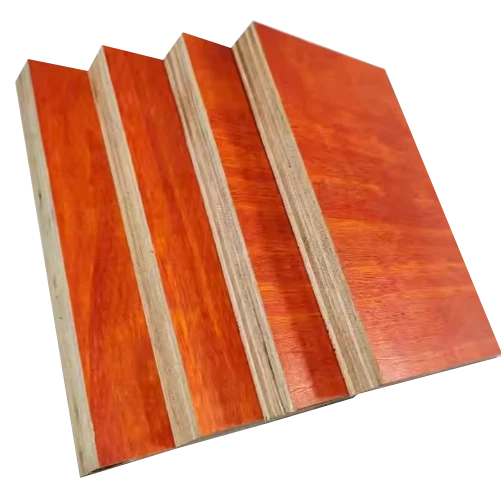
First off, let's understand what black formwork plywood is. It's a type of construction plywood that's coated with a black phenolic film. This coating gives it a smooth surface and makes it highly resistant to moisture, abrasion, and chemicals. It's commonly used in building construction to create molds for concrete pouring, whether it's for columns, walls, or floors.
Suitability for Underground Formwork
When it comes to using black formwork plywood for underground formwork, there are several factors to consider.
Moisture Resistance
Underground environments are often moist. The soil around underground structures retains water, and there might also be groundwater seepage. Black formwork plywood, with its phenolic film coating, is pretty good at resisting moisture. The film acts as a barrier, preventing water from seeping into the wood and causing it to swell or rot. However, if the water pressure is high or the exposure time is long, even the best - coated plywood can start to show signs of wear.

Durability
Underground formwork has to withstand a lot of pressure. The weight of the wet concrete, the shifting soil, and the vibrations during the concrete - pouring process can all put stress on the formwork. Black formwork plywood is relatively strong. The cross - laminated structure of plywood gives it good strength in both directions, and the coating provides an extra layer of protection. But in some extreme cases, like when the soil is very unstable or the concrete pour is extremely thick, additional support might be needed.
Chemical Resistance
Soil can contain various chemicals, such as acids, alkalis, and salts. These chemicals can react with the wood and the coating of the formwork. Black formwork plywood's phenolic coating is generally resistant to many common chemicals found in soil. But for areas with highly acidic or alkaline soil, it's worth doing some additional research or consulting with a construction chemist.
Advantages of Using Black Formwork Plywood Underground
There are several benefits to using black formwork plywood for underground formwork:
Easy Demolition
Once the concrete has cured, black formwork plywood can usually be easily removed from the concrete surface. The smooth phenolic coating reduces the adhesion between the wood and the concrete, which means less damage to the formwork and a cleaner finish on the concrete.
Cost - Effective
Compared to some other types of formwork materials, black formwork plywood is often more affordable. It can be reused multiple times, especially if it's well - maintained. This can significantly reduce the overall cost of a construction project.
Versatility
Black formwork plywood can be cut and shaped easily to fit different underground formwork requirements. Whether you're building a small utility tunnel or a large basement, you can customize the plywood to meet your specific needs.
Limitations
UV Exposure
If the formwork has to be exposed to sunlight for an extended period before the concrete pour (for example, in case of delays), the black coating can absorb a lot of heat and may start to degrade. However, this isn't usually a major issue for underground formwork since it's mostly covered by soil.
Fire Resistance
While the phenolic coating provides some level of fire resistance, it's not as fire - proof as some specialized fire - resistant formwork materials. In areas where there are strict fire safety regulations, additional fire - retardant treatments might be necessary.
Alternatives
If you're still not sure if black formwork plywood is the right choice for your underground formwork project, there are other options available.
You might consider White Film Faced Plywood. It has similar properties to black formwork plywood but with a white coating. The white color can help in reflecting some heat, which could be beneficial in certain situations.
Finger Joint Recycled Concrete Plywood is another option. Made from recycled materials, it's an environmentally friendly choice. It also has good strength and moisture resistance.
Brown Shuttering Plywood is a more traditional option. It's been used in construction for a long time and is known for its durability.
Conclusion
In conclusion, black formwork plywood can definitely be used for underground formwork in many cases. It offers a good balance of moisture resistance, durability, and cost - effectiveness. However, you need to consider the specific conditions of your site, such as soil type, water table levels, and project requirements.
If you're involved in a construction project and are thinking about using black formwork plywood for your underground formwork, I'd be more than happy to answer all your questions and help you make the right decision. Whether you need more information about the product features, suitability for your project, or want to discuss the best way to handle and maintain the formwork, feel free to reach out.
Contact me if you're interested in purchasing black formwork plywood for your next project. We can have a detailed discussion about your requirements and find the best solution for you.
References
- Smith, J. Construction Materials Handbook. 2020.
- Construction Engineering Journal, Vol. 15, No. 2. "Formwork Systems for Underground Structures."