

As a supplier of Black Phenolic Plywood, I often get asked whether this type of plywood can be screwed. This question is crucial for many construction and woodworking professionals who rely on screwing as a primary method of joining materials. In this blog post, I'll delve into the details of screwing Black Phenolic Plywood, exploring its feasibility, the best practices, and the potential challenges you might encounter.
Understanding Black Phenolic Plywood
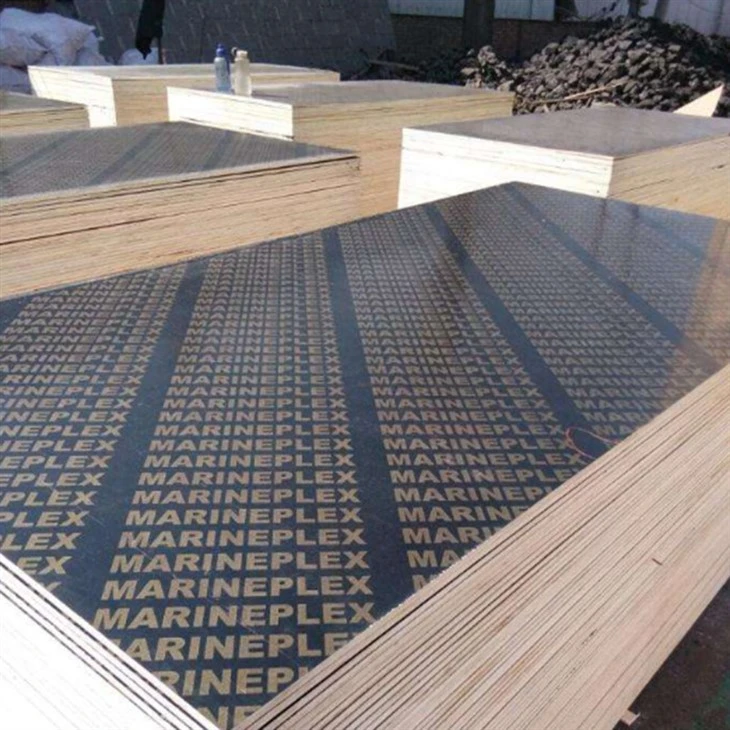
Before we discuss screwing, it's essential to understand what Black Phenolic Plywood is. Black Phenolic Plywood is a specialized type of Film Faced Plywood that features a black phenolic resin film on its surface. This film provides the plywood with excellent water resistance, abrasion resistance, and durability, making it ideal for various applications, especially in construction formwork.
The core of Black Phenolic Plywood is typically made of high - quality hardwood or softwood veneers, which are bonded together under high pressure and temperature using a strong adhesive. The black phenolic film is then applied to the surface, giving the plywood its characteristic black color and enhanced performance properties.
Can Black Phenolic Plywood be Screwed?
The short answer is yes, Black Phenolic Plywood can be screwed. However, there are several factors to consider to ensure a successful screwing process.
Surface Hardness
The black phenolic film on the surface of the plywood is quite hard. This hardness can pose a challenge when screwing, as it may cause the screw to slip or the drill bit to wear out quickly. To overcome this, it's recommended to pre - drill holes in the plywood before inserting the screws. Pre - drilling helps to create a pilot hole that guides the screw and reduces the risk of the screw slipping or damaging the surface of the plywood.
Core Strength
The strength of the plywood's core is also an important factor. Since the core is made of veneers, it has a certain level of density and strength. When screwing, the screw needs to be able to penetrate the core and hold firmly. The type of wood used in the core and the quality of the adhesive bonding the veneers together can affect the screw - holding capacity. Generally, high - quality Black Phenolic Plywood with a well - bonded core will provide better screw - holding strength.
Screw Type
Choosing the right type of screw is crucial. For Black Phenolic Plywood, it's advisable to use screws with a sharp point and a coarse thread. The sharp point helps the screw to penetrate the hard phenolic surface and the core more easily, while the coarse thread provides better grip and holding power. Stainless steel screws are often a good choice as they are resistant to corrosion, which is important, especially in outdoor or high - moisture environments.
Best Practices for Screwing Black Phenolic Plywood
To ensure a successful screwing process, here are some best practices to follow:

Pre - Drilling
As mentioned earlier, pre - drilling is essential. Use a drill bit that is slightly smaller in diameter than the screw. For example, if you are using a 6mm screw, a 4 - 5mm drill bit would be appropriate. Drill the holes at the desired locations, making sure they are straight and perpendicular to the surface of the plywood.
Screw Placement
Proper screw placement is important for the structural integrity of the project. Follow the recommended spacing guidelines for the specific application. In general, screws should be placed at regular intervals along the edges and joints of the plywood. For construction formwork, screws are typically placed every 150 - 200mm along the edges and 200 - 300mm in the field.
Tightening Torque
When tightening the screws, use a screwdriver or a drill with a torque - limiting feature. Over - tightening the screws can cause the plywood to split or damage the phenolic surface, while under - tightening can result in a loose joint. Apply just enough torque to ensure the screw is firmly seated in the plywood without causing any damage.
Potential Challenges and Solutions
Surface Damage
One of the potential challenges when screwing Black Phenolic Plywood is surface damage. The hard phenolic film can chip or crack if the screw is not inserted properly. To prevent this, use a countersink bit when pre - drilling to create a recess for the screw head. This will help to protect the surface of the plywood and ensure a flush finish.
Screw Stripping
Screw stripping can occur if the screw is not able to grip the plywood properly. This can be caused by using the wrong type of screw, pre - drilling holes that are too large, or over - tightening the screw. To avoid screw stripping, make sure to use the correct screw type and pre - drill holes of the appropriate size.
Applications of Screwed Black Phenolic Plywood
Black Phenolic Plywood is widely used in construction formwork, and screwing is a common method of joining the plywood panels together. In formwork applications, the screwed joints need to be strong and reliable to withstand the pressure of the concrete during pouring and curing.
It is also used in furniture manufacturing, where screwing can be used to assemble different parts of the furniture. The black phenolic surface gives the furniture a sleek and modern look, while the screw - joining method provides a strong and durable structure.
Conclusion
In conclusion, Black Phenolic Plywood can be screwed, but it requires careful consideration of several factors such as surface hardness, core strength, screw type, and following best practices. By pre - drilling holes, choosing the right screw, and using proper tightening techniques, you can achieve a successful screwing process.
If you are interested in purchasing high - quality Black Phenolic Plywood for your projects, feel free to contact us. Our Black Formwork Plywood and Black Faced Plywood products are designed to meet the highest standards of quality and performance. We look forward to discussing your specific requirements and providing you with the best solutions for your construction and woodworking needs.
References
- Wood Handbook: Wood as an Engineering Material, USDA Forest Service
- Construction Formwork Manual, International Concrete Repair Institute