

When it comes to DIY projects, the choice of materials plays a crucial role in determining the success and longevity of the endeavor. One material that often comes under consideration is 30mm waterproof plywood. As a supplier of 30mm waterproof plywood, I have witnessed firsthand the diverse applications and benefits this material offers. In this blog post, I will delve into the suitability of 30mm waterproof plywood for DIY projects, exploring its features, advantages, and potential drawbacks.
Understanding 30mm Waterproof Plywood
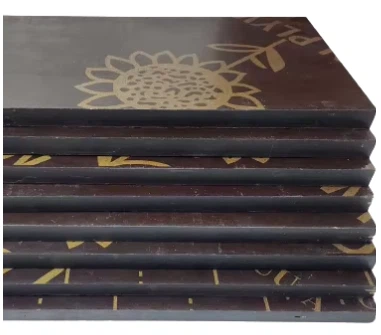
Before assessing its suitability for DIY projects, it's essential to understand what 30mm waterproof plywood is. As the name suggests, it is plywood with a thickness of 30mm that has been treated or manufactured to resist water penetration. This type of plywood is typically made by bonding multiple layers of wood veneers together using waterproof adhesives. The cross - lamination of the veneers gives plywood its strength and stability, while the waterproof treatment ensures its durability in moist or wet environments.
Advantages of 30mm Waterproof Plywood for DIY Projects
Strength and Durability
One of the primary advantages of 30mm waterproof plywood is its strength. The thickness of 30mm provides a robust and stable base for various DIY applications. Whether you're building a large - scale outdoor structure like a shed or a sturdy indoor cabinet, the strength of 30mm waterproof plywood can support significant weight and withstand normal wear and tear.
In addition to strength, its waterproof nature enhances its durability. Unlike regular plywood, which can warp, delaminate, or rot when exposed to moisture, 30mm waterproof plywood can maintain its integrity in damp conditions. This makes it an ideal choice for projects in areas prone to high humidity, such as bathrooms, kitchens, or outdoor settings.
Versatility
30mm waterproof plywood is highly versatile and can be used in a wide range of DIY projects. For outdoor projects, it can be used to construct decks, fences, and garden furniture. Its waterproof properties ensure that these structures can withstand rain, snow, and other weather elements without deteriorating quickly.
Indoors, it can be used for building cabinets, bookshelves, and even partitions. The smooth surface of the plywood allows for easy painting, staining, or veneering, enabling you to customize the appearance of your DIY creations to match your interior decor.
Ease of Use
Despite its thickness, 30mm waterproof plywood is relatively easy to work with. It can be cut, drilled, and shaped using standard woodworking tools. This makes it accessible to DIY enthusiasts of all skill levels. Whether you're a beginner just starting to explore woodworking or an experienced hobbyist, you can use 30mm waterproof plywood to bring your DIY ideas to life.
Potential Drawbacks
Cost
One of the main drawbacks of 30mm waterproof plywood is its cost. The manufacturing process and the use of waterproof adhesives and treatments make it more expensive than regular plywood. For DIY projects on a tight budget, the higher cost of 30mm waterproof plywood may be a deterrent. However, it's important to consider the long - term benefits. The durability and longevity of 30mm waterproof plywood can offset the initial investment, as you won't have to replace the material as frequently.
Weight
The 30mm thickness also means that 30mm waterproof plywood is relatively heavy. This can make it more challenging to handle, especially for larger sheets. When working on DIY projects, you may need additional help or equipment to move and install the plywood. Additionally, if you're building a structure that needs to be lightweight, such as a mobile display unit, the weight of 30mm waterproof plywood may not be suitable.
Comparing with Other Options
18mm Waterproof Plywood
When considering waterproof plywood for DIY projects, you may also come across 18mm Waterproof Plywood. The 18mm thickness is thinner and lighter than 30mm waterproof plywood. It is a good option for projects where weight is a concern or where you don't need the extra strength provided by the 30mm thickness. For example, if you're building a small indoor shelf or a lightweight outdoor planter, 18mm waterproof plywood may be sufficient. However, for larger and more heavy - duty projects, 30mm waterproof plywood is a better choice.
Waterproof Plywood 4x8 Sheet Lowes
Waterproof Plywood 4x8 Sheet Lowes is another option available in the market. The 4x8 sheet size is a standard dimension, which is convenient for many DIY projects as it can be easily cut and used. However, the suitability of this option depends on the specific requirements of your project. If you need a thicker and more robust material, 30mm waterproof plywood may be a better fit, even if it comes in different sizes.
Fire Resistance Considerations
Fire resistance is an important factor to consider, especially for indoor DIY projects. Plywood Fire Resistance varies depending on the type of plywood and any additional treatments. While 30mm waterproof plywood is not inherently fire - proof, some manufacturers offer fire - retardant treatments for their waterproof plywood. If your DIY project is in an area where fire safety is a concern, such as a commercial space or a building with strict fire codes, it's advisable to choose 30mm waterproof plywood with fire - retardant properties.

Conclusion
In conclusion, 30mm waterproof plywood is a suitable choice for many DIY projects. Its strength, durability, and versatility make it a valuable material for both indoor and outdoor applications. While it has some drawbacks such as cost and weight, the long - term benefits often outweigh these concerns.
If you're planning a DIY project that requires a robust and waterproof material, I encourage you to consider 30mm waterproof plywood. As a supplier, I can provide you with high - quality 30mm waterproof plywood that meets your specific needs. Whether you're a professional contractor or a DIY enthusiast, I'm here to assist you in your project. If you have any questions or would like to discuss your procurement requirements, please feel free to reach out. We can work together to ensure that your DIY project is a success.
References
- Wood Handbook: Wood as an Engineering Material, Forest Products Laboratory
- Plywood Manufacturing and Applications Guide, National Plywood Association