

Hey there! As a supplier of Brown Faced Plywood, I often get asked a bunch of questions about this product. One of the most common queries is, "Can Brown Faced Plywood be stained?" Well, let's dig into this topic and find out.
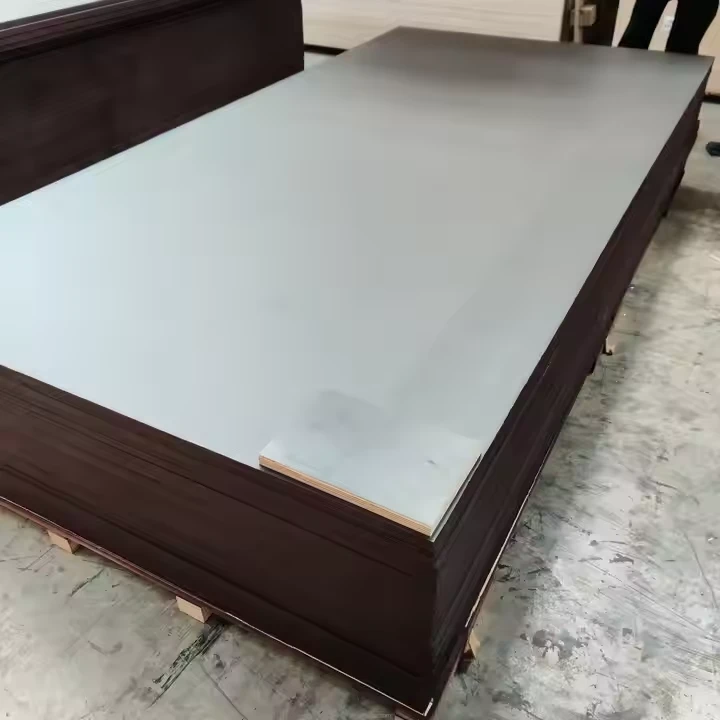

First off, let's understand what Brown Faced Plywood is. It's a type of plywood that has a brown - colored face veneer. This veneer can be made from different types of wood, and it gives the plywood a distinct look right off the bat. The brown color can vary in shade, from a light caramel to a deep, rich chocolate brown, depending on the wood species and the manufacturing process.
Now, onto the big question: Can it be stained? The short answer is yes, Brown Faced Plywood can be stained. But there are a few things you need to keep in mind.
Factors Affecting Staining
Wood Species
The type of wood used for the face veneer plays a huge role in how well the plywood takes to stain. Some woods, like oak or mahogany, have a more open grain structure. This allows the stain to penetrate deeply and gives a more even and rich color. On the other hand, woods with a tighter grain, such as maple or birch, might absorb the stain differently. They could end up with a more subdued color or a patchy appearance if not pre - treated properly.
Existing Finish
If the Brown Faced Plywood already has a finish on it, like a clear coat or a light paint, this can affect the staining process. A finish acts as a barrier between the wood and the stain. You might need to sand the plywood to remove the existing finish before applying the stain. Otherwise, the stain won't be able to bond properly with the wood, and you'll end up with a less - than - satisfactory result.
Quality of the Plywood
The overall quality of the Brown Faced Plywood matters too. Plywood with a high - quality face veneer will generally take stain better than one with a lower - quality veneer. A good veneer has fewer knots, voids, and other imperfections, which means the stain will be applied more evenly.
Steps to Stain Brown Faced Plywood
Preparation
Before you start staining, you need to prepare the plywood. First, clean the surface to remove any dirt, dust, or debris. You can use a damp cloth or a mild wood cleaner. Then, sand the plywood with a fine - grit sandpaper. This will smooth the surface and open up the wood grain, allowing the stain to penetrate more easily. Make sure to sand in the direction of the wood grain to avoid scratching the surface.
Testing the Stain
It's always a good idea to test the stain on a small, inconspicuous area of the plywood first. This will give you an idea of how the stain will look on the wood and if you need to make any adjustments. Apply a small amount of stain to the test area and let it dry. Check the color and the evenness of the stain. If you're happy with the result, you can proceed with staining the entire piece.
Applying the Stain
There are a few different ways to apply stain to Brown Faced Plywood. You can use a brush, a cloth, or a sprayer. A brush is great for getting into the corners and edges, while a cloth can give a more even finish. If you're using a sprayer, make sure to apply the stain in thin, even coats. Work in small sections and make sure to follow the direction of the wood grain.
Drying and Sealing
After applying the stain, let it dry completely according to the manufacturer's instructions. This can take anywhere from a few hours to a couple of days, depending on the type of stain and the environmental conditions. Once the stain is dry, you can apply a sealer to protect the wood and give it a nice finish. There are different types of sealers available, such as polyurethane or varnish. Choose one that suits your needs and apply it following the instructions on the product.
Benefits of Staining Brown Faced Plywood
Customization
Staining allows you to customize the look of the Brown Faced Plywood. You can choose from a wide range of stain colors, from light natural tones to dark, dramatic shades. This gives you the flexibility to match the plywood to your existing decor or create a unique look for your project.
Protection
A good stain can also provide some protection to the plywood. It can help prevent the wood from drying out, cracking, or warping. Some stains also have UV protection, which can prevent the wood from fading over time.
Aesthetics
Stained Brown Faced Plywood can have a more sophisticated and elegant look compared to untreated plywood. The stain enhances the natural beauty of the wood grain, giving it a warm and inviting appearance.
Other Related Products
If you're interested in different types of plywood, we also offer Birch Faced Poplar Plywood, Black Shuttering Plywood, and Brown Shuttering Plywood. These products have their own unique features and can be used for a variety of applications.
Conclusion
So, in conclusion, Brown Faced Plywood can definitely be stained. With the right preparation, the right stain, and the right technique, you can achieve a beautiful and long - lasting finish. Whether you're using it for a DIY project at home or a professional construction job, staining Brown Faced Plywood can add value and style to your work.
If you're interested in purchasing Brown Faced Plywood or any of our other products, feel free to reach out to us. We're always here to answer your questions and help you find the right product for your needs. Let's start a conversation and see how we can work together on your next project!
References
- "Wood Finishing Basics" by Popular Woodworking Magazine
- "The Complete Guide to Staining Wood" by Fine Woodworking