

Can film coated plywood be recycled?
As a supplier of film coated plywood, I often encounter questions from customers regarding the recyclability of our products. Film coated plywood is a popular building material known for its durability, water resistance, and smooth surface finish. It is widely used in construction, furniture making, and packaging industries. However, the question of whether it can be recycled is a complex one that requires a deeper understanding of the materials involved and the recycling processes available.
Understanding Film Coated Plywood
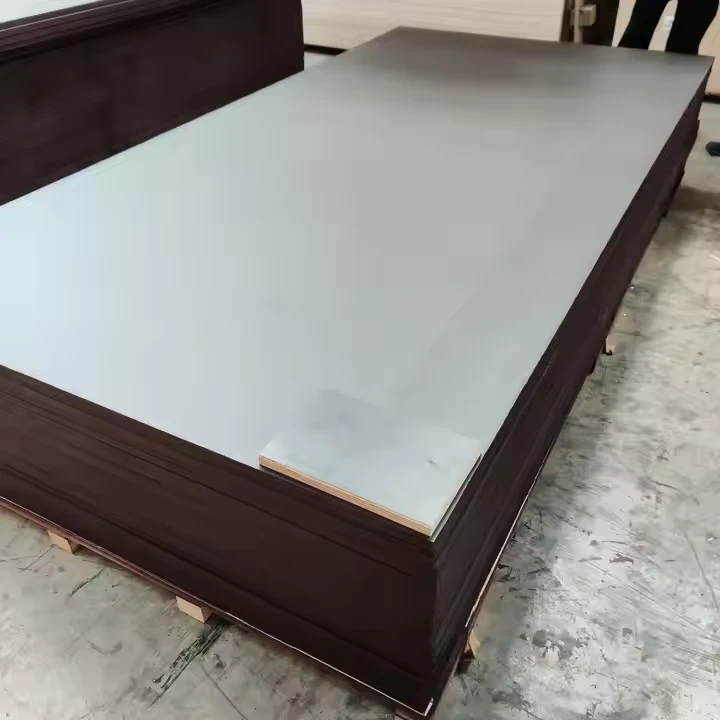
Film coated plywood consists of a core layer of plywood, typically made from softwood or hardwood veneers, which are glued together under high pressure. The outer surface of the plywood is then covered with a thin layer of plastic film, usually made from polyvinyl chloride (PVC), melamine, or phenolic resin. This film provides additional protection against moisture, abrasion, and chemicals, making the plywood more suitable for outdoor and high - traffic applications.
The Recycling Challenge
The main challenge in recycling film coated plywood lies in the combination of different materials. The plywood core is made of wood, which is a natural and biodegradable material, and can generally be recycled through traditional wood recycling methods. However, the plastic film coating presents a problem. Different types of plastic have different melting points and chemical properties, which makes it difficult to separate the film from the wood and recycle them together.
For example, PVC films are known to release toxic chemicals such as dioxins when burned, and they are also difficult to break down during the recycling process. Melamine and phenolic resin films are thermosetting plastics, which means they cannot be melted and reshaped like thermoplastics. These properties make it challenging to recycle film coated plywood in a cost - effective and environmentally friendly way.
Existing Recycling Methods
Despite the challenges, there are some existing methods for recycling film coated plywood:
Mechanical Separation
In some cases, mechanical separation techniques can be used to remove the plastic film from the wood. This can involve processes such as grinding, shredding, and screening to separate the different materials based on their size and density. Once separated, the wood can be recycled into products such as particleboard, mulch, or fuel, while the plastic film can be further processed or disposed of appropriately.
Chemical Recycling
Chemical recycling methods are also being explored to break down the plastic film into its basic components. This can involve using solvents or other chemicals to dissolve the plastic and recover the valuable monomers or polymers. However, these methods are still in the experimental stage and are not yet widely available due to their high cost and potential environmental impacts.
The Role of the Industry
As a film coated plywood supplier, we have a responsibility to contribute to the sustainable development of the industry. We can work with recycling facilities and research institutions to develop more effective recycling methods. For example, we can invest in research to develop new types of film coatings that are more easily recyclable or biodegradable.
We can also encourage our customers to choose more sustainable options. For instance, we offer products like Brown Shuttering Plywood, Birch Faced Poplar Plywood, and 18mm Black Film Faced Plywood 18mm. By providing information about the recyclability and environmental impact of our products, we can help customers make more informed decisions.
Environmental Considerations
When considering the recyclability of film coated plywood, it is important to also take into account the environmental impact of the entire life cycle of the product. This includes the extraction of raw materials, the manufacturing process, the use phase, and the end - of - life disposal.
In some cases, reusing film coated plywood may be a more environmentally friendly option than recycling. For example, if the plywood is still in good condition after its initial use, it can be reused in other construction projects or converted into new furniture pieces. This reduces the demand for new materials and minimizes waste.
The Future of Film Coated Plywood Recycling
The future of film coated plywood recycling looks promising, as more research and development efforts are being directed towards finding innovative solutions. New technologies are being developed to improve the separation and recycling processes, and there is also a growing awareness of the importance of sustainable waste management in the construction and manufacturing industries.
For example, some companies are exploring the use of bio - based plastics for film coatings, which are more easily biodegradable and can be recycled more effectively. Others are working on developing closed - loop recycling systems, where the recycled materials can be used to produce new film coated plywood, reducing the need for virgin materials.

Conclusion
In conclusion, while film coated plywood presents challenges in terms of recycling due to the combination of wood and plastic materials, there are still ways to recycle it. Mechanical and chemical separation methods are available, and ongoing research is likely to lead to more effective recycling solutions in the future.
As a supplier, we are committed to promoting sustainable practices in the industry. We believe that by working together with our customers, recycling facilities, and research institutions, we can find better ways to manage the end - of - life of our products.
If you are interested in purchasing our film coated plywood products, such as Brown Shuttering Plywood, Birch Faced Poplar Plywood, or 18mm Black Film Faced Plywood 18mm, please feel free to contact us for more information and to discuss your specific requirements. We look forward to collaborating with you on your next project.
References
- Smith, J. (2020). Recycling of Composite Materials in the Construction Industry. Journal of Sustainable Construction Materials, 15(2), 34 - 45.
- Johnson, A. (2019). Challenges and Opportunities in Plastic Recycling. Environmental Science Review, 22(3), 123 - 135.
- Green, B. (2021). Wood Recycling: Current Practices and Future Trends. Forestry Journal, 30(1), 56 - 67.