

Hey there! I'm a plywood supplier, and I've been getting a lot of questions lately about whether plywood can be recycled. So, I thought I'd sit down and write this blog to share what I know.
First off, let's talk about what plywood is. Plywood is made by gluing together thin layers of wood veneer. These veneers are usually arranged with their grains perpendicular to each other, which gives plywood its strength and stability. It's used in a ton of different applications, from construction and furniture making to packaging.
Now, to the big question: Can plywood be recycled? The short answer is yes, but it's a bit more complicated than just tossing it in the recycling bin.
One of the main factors that determines whether plywood can be recycled is the type of glue used in its manufacturing. There are different kinds of adhesives, and some are more environmentally friendly and easier to deal with during the recycling process than others. For example, some plywood is made with formaldehyde - based adhesives. Formaldehyde is a chemical that can be harmful to the environment and human health. When recycling plywood with these adhesives, special care needs to be taken to ensure that the formaldehyde doesn't leach into the environment.
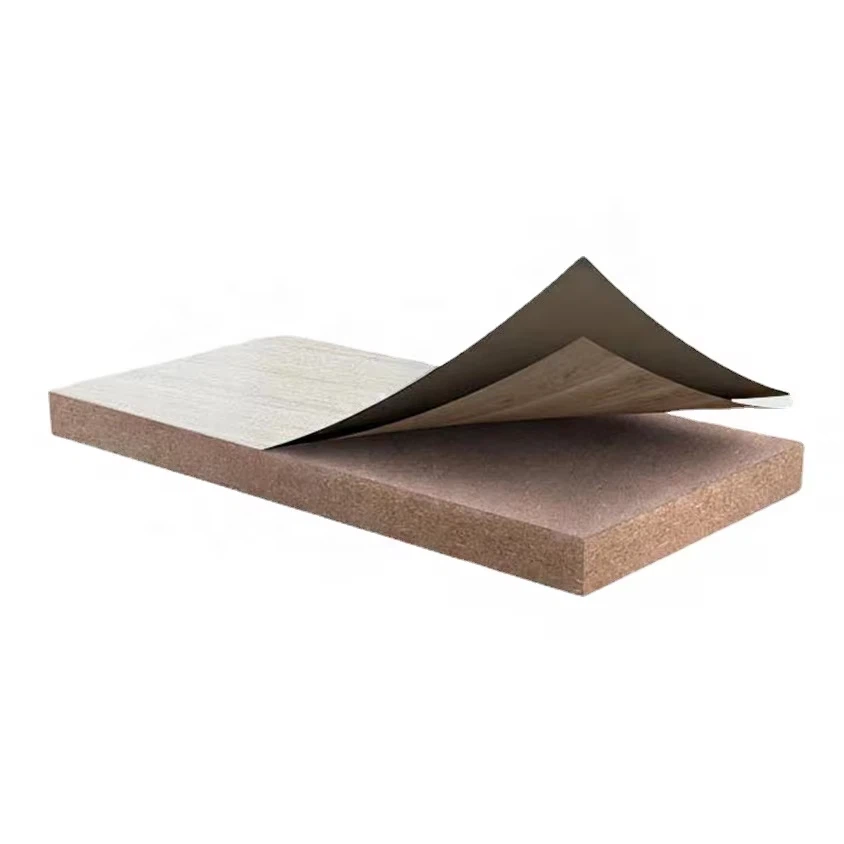
Another aspect is the presence of other materials in the plywood. Some plywood might have coatings, laminates, or other additives. For instance, White Laminated Plywood has a white laminate on its surface. This laminate can make the recycling process more difficult because it has to be separated from the wood layers.
So, how does the recycling process for plywood work? Well, typically, the first step is to collect the used plywood. This can come from construction sites, furniture manufacturers, or even homeowners doing renovations. Once collected, the plywood is taken to a recycling facility. At the facility, it's broken down into smaller pieces. If there are any non - wood materials like nails or metal brackets, they are removed.
After that, the plywood is often chipped or shredded. These wood chips can then be used in a few different ways. One common use is to turn them into particleboard or fiberboard. The wood chips are mixed with adhesives and compressed to form new boards. Another option is to use the wood chips as a biomass fuel. They can be burned to generate heat or electricity, which is a more sustainable alternative to fossil fuels.
However, there are some challenges in plywood recycling. One of the biggest issues is the cost. Recycling plywood requires specialized equipment and processes, which can be expensive. This means that in some cases, it might be cheaper for companies to simply dispose of plywood in landfills. But as environmental awareness grows, more and more people are looking for ways to recycle and reduce waste.
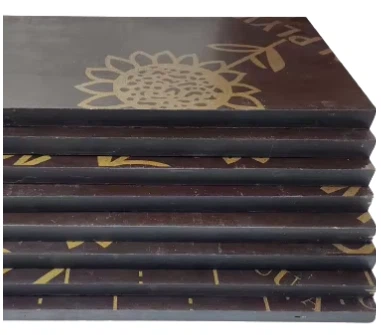
As a plywood supplier, I'm always trying to find ways to promote more sustainable practices. That's why I offer products like Waterproof Plywood 4x8 Sheet Lowes and 30mm Waterproof Plywood. These products are not only high - quality but are also designed with the environment in mind.
If you're a contractor, furniture maker, or just someone who uses plywood in your projects, I encourage you to think about recycling your used plywood. It's a small step that can make a big difference in reducing our environmental impact.
Now, if you're in the market for plywood, whether it's for a large construction project or a small DIY job, I'd love to have a chat with you. I can offer you a wide range of plywood products at competitive prices. And if you have any questions about plywood recycling or any of our products, don't hesitate to reach out. Let's work together to make the most of this versatile material while being kind to the planet.
References
- "Plywood Manufacturing and Recycling: An Overview", Wood Industry Journal
- "Environmental Impact of Plywood Adhesives", Journal of Sustainable Materials