

White laminated plywood is a versatile and popular building material known for its smooth finish and aesthetic appeal. As a supplier of white laminated plywood, I often receive inquiries from customers about its environmental impact and recyclability. In this blog post, I'll delve into the topic of whether white laminated plywood can be recycled, exploring the process, challenges, and potential solutions.
Understanding White Laminated Plywood
Before discussing recyclability, it's important to understand what white laminated plywood is. White laminated plywood consists of multiple layers of wood veneers bonded together with an adhesive, and a white laminate is applied to one or both sides. The laminate is typically a thin, decorative layer that provides a smooth, durable surface and enhances the plywood's appearance. This type of plywood is commonly used in furniture manufacturing, cabinetry, interior wall paneling, and other applications where a clean, white finish is desired.
The Recycling Process of Plywood
Plywood, in general, has the potential to be recycled. The basic recycling process for plywood involves breaking down the material into its component parts: wood fibers and adhesives. Once separated, the wood fibers can be used to make new wood products, such as particleboard or fiberboard, while the adhesives can sometimes be re - used or treated.
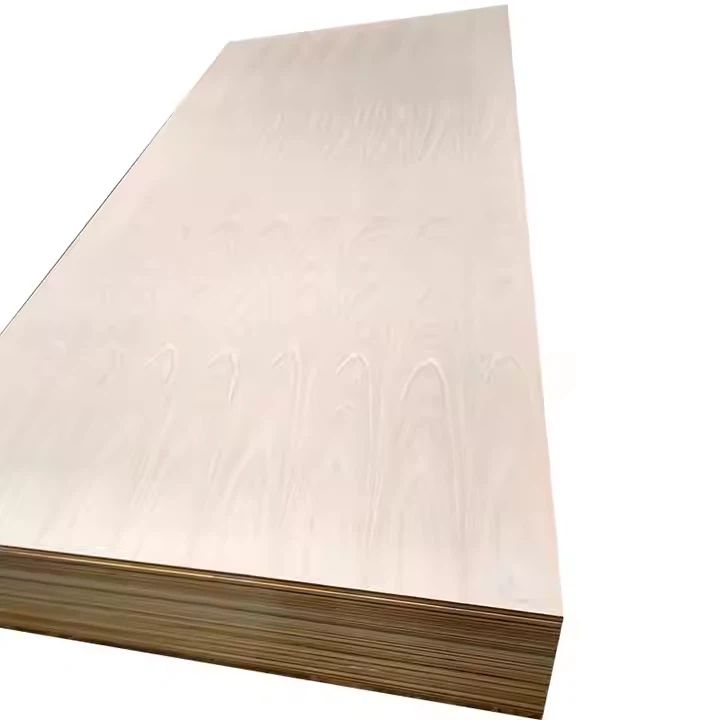

However, white laminated plywood presents some unique challenges due to the presence of the laminate. The laminate is often made of synthetic materials, such as melamine or plastic, which are more difficult to separate from the wood veneers compared to the natural wood components.
Challenges in Recycling White Laminated Plywood
1. Separation of Layers
The laminate is firmly bonded to the wood veneers, and separating them requires specialized equipment and processes. Traditional recycling methods may not be sufficient to break the bond between the laminate and the wood without causing damage to the wood fibers. This makes it difficult to obtain high - quality wood fibers for reuse.
2. Contamination
The synthetic materials in the laminate can contaminate the wood fibers during the recycling process. If not properly removed, these contaminants can affect the quality of the recycled wood products. For example, plastic residues can interfere with the bonding process when making new particleboard or fiberboard.
3. Lack of Infrastructure
There is a limited infrastructure for recycling white laminated plywood. Many recycling facilities are not equipped to handle the complex separation and processing required for this type of material. As a result, a significant amount of white laminated plywood may end up in landfills instead of being recycled.
Potential Solutions for Recycling White Laminated Plywood
1. Advanced Separation Technologies
Research is being conducted on advanced separation technologies that can effectively separate the laminate from the wood veneers. For example, some companies are exploring the use of chemical solvents or mechanical processes to break the bond between the layers without degrading the wood fibers. These technologies could potentially improve the recyclability of white laminated plywood.
2. Design for Recycling
As a supplier, we can play a role in promoting the recyclability of white laminated plywood through design. By using more easily separable laminates or adhesives, we can make it easier for recycling facilities to process the material. For example, some manufacturers are developing water - soluble adhesives that can be easily removed during the recycling process.
3. Collaboration with Recycling Facilities
We can collaborate with recycling facilities to develop customized recycling solutions for white laminated plywood. This could involve providing technical support, funding research on separation technologies, or establishing collection systems to ensure that the material reaches the recycling facilities.
Our Products and Their Relevance to Recycling
At our company, we offer a range of white laminated plywood products, including [Aspenite Plywood](/plywood/aspenite - plywood.html), [Sanded Plywood 4x8](/plywood/sanded - plywood - 4x8.html), and [30mm Waterproof Plywood](/plywood/30mm - waterproof - plywood.html). We are committed to environmental sustainability and are constantly exploring ways to improve the recyclability of our products.
We understand that our customers are increasingly concerned about the environmental impact of the materials they use. That's why we are investing in research and development to make our white laminated plywood more environmentally friendly. For example, we are working on using more sustainable wood sources and developing laminates that are easier to recycle.
Encouraging Recycling among Customers
As a supplier, we have a responsibility to educate our customers about the recyclability of white laminated plywood. We can provide information on proper disposal and recycling methods, as well as the benefits of recycling. By encouraging our customers to recycle our products, we can reduce the amount of white laminated plywood that ends up in landfills and contribute to a more sustainable future.
Contact Us for Sustainable Plywood Solutions
If you are in the market for high - quality white laminated plywood, we invite you to contact us for a detailed discussion. We can provide you with more information about our products, their environmental features, and how they can be recycled. Whether you are a furniture manufacturer, a contractor, or a DIY enthusiast, we have the right plywood solution for your needs.
Let's work together to build a more sustainable world by choosing environmentally friendly building materials and promoting recycling.
References
- "Wood Recycling: A Review of Current Practices and Future Trends" by Journal of Sustainable Forestry
- "Recycling of Composite Wood Products" by Forest Products Journal