

As a supplier of 18 Inch Marine Plywood, I understand the significance of protecting this valuable material from the harmful effects of UV rays. Marine plywood is designed to withstand harsh marine environments, but prolonged exposure to sunlight can cause it to deteriorate over time. In this blog post, I will share some effective strategies on how to protect 18 Inch Marine Plywood from UV rays, ensuring its longevity and maintaining its structural integrity.
Understanding the Impact of UV Rays on Marine Plywood
UV rays, which are part of the sun's electromagnetic spectrum, can have several detrimental effects on marine plywood. The most obvious impact is the fading of the plywood's color. Over time, the intense UV radiation can break down the pigments in the wood, causing it to lose its original rich color and appear dull and faded. This not only affects the aesthetic appeal of the plywood but can also be an indication of more serious underlying damage.
UV rays can also cause the wood fibers in the plywood to break down. The high - energy photons in UV light can disrupt the chemical bonds in the cellulose and lignin, which are the main components of wood. This leads to a weakening of the wood structure, making it more prone to cracking, splitting, and delamination. In a marine environment, where the plywood is also exposed to moisture and saltwater, the combination of UV damage and water can accelerate the deterioration process.
Coating with UV - Resistant Finishes
One of the most effective ways to protect 18 Inch Marine Plywood from UV rays is by applying a high - quality UV - resistant finish. There are several types of finishes available on the market, each with its own advantages.
Polyurethane Finishes
Polyurethane is a popular choice for protecting marine plywood. It forms a hard, durable film on the surface of the wood that acts as a barrier against UV rays. There are two main types of polyurethane: oil - based and water - based. Oil - based polyurethane provides a deep, rich finish and offers excellent UV protection. However, it takes longer to dry and has a strong odor. Water - based polyurethane, on the other hand, dries quickly, has a low odor, and is more environmentally friendly. It also provides good UV protection, although it may not be as durable as oil - based polyurethane in the long run.
Varnishes
Varnishes are another option for protecting marine plywood. They are typically made from a combination of resins, oils, and solvents. Varnishes can provide a high - gloss or satin finish, depending on the type used. They offer good UV protection and can enhance the natural beauty of the wood. However, like polyurethane, varnishes need to be reapplied periodically to maintain their effectiveness.
Epoxy Coatings
Epoxy coatings are extremely durable and provide excellent protection against UV rays, moisture, and chemicals. They are often used in high - performance marine applications. Epoxy forms a hard, seamless coating on the surface of the plywood, preventing UV rays from penetrating the wood. However, epoxy coatings can be more difficult to apply than other finishes and require careful surface preparation.
Using UV - Blocking Films
Another way to protect 18 Inch Marine Plywood from UV rays is by using UV - blocking films. These films are made from a special polymer material that is designed to absorb and reflect UV radiation. They can be applied directly to the surface of the plywood using an adhesive.
UV - blocking films are relatively easy to install and can provide immediate protection against UV rays. They are also available in different thicknesses and colors, allowing you to choose the one that best suits your needs. However, over time, the film may start to peel or bubble, especially if it is not installed properly. Regular inspection and maintenance are required to ensure the film remains effective.
Storing Plywood in the Shade
When not in use, it is important to store 18 Inch Marine Plywood in a shaded area. This can significantly reduce its exposure to UV rays. If possible, store the plywood indoors or under a covered structure. If outdoor storage is necessary, use a tarp or other protective covering to shield the plywood from direct sunlight.
Regular Maintenance and Inspection
Regular maintenance and inspection are crucial for protecting 18 Inch Marine Plywood from UV rays. Inspect the plywood regularly for signs of UV damage, such as fading, cracking, or delamination. If you notice any damage, take immediate action to repair it.

Clean the plywood regularly to remove dirt, debris, and salt deposits. Use a mild soap and water solution and a soft brush or cloth. Avoid using abrasive cleaners, as they can scratch the surface of the wood and reduce its resistance to UV rays.
After cleaning, reapply the UV - resistant finish or check the condition of the UV - blocking film. If the finish has worn off or the film is damaged, it should be reapplied or replaced as soon as possible.
The Role of High - Quality Plywood in UV Protection
Using high - quality 18 Inch Marine Plywood is also an important factor in protecting against UV rays. High - quality plywood is made from better - grade wood and is manufactured using advanced techniques, which can make it more resistant to UV damage.
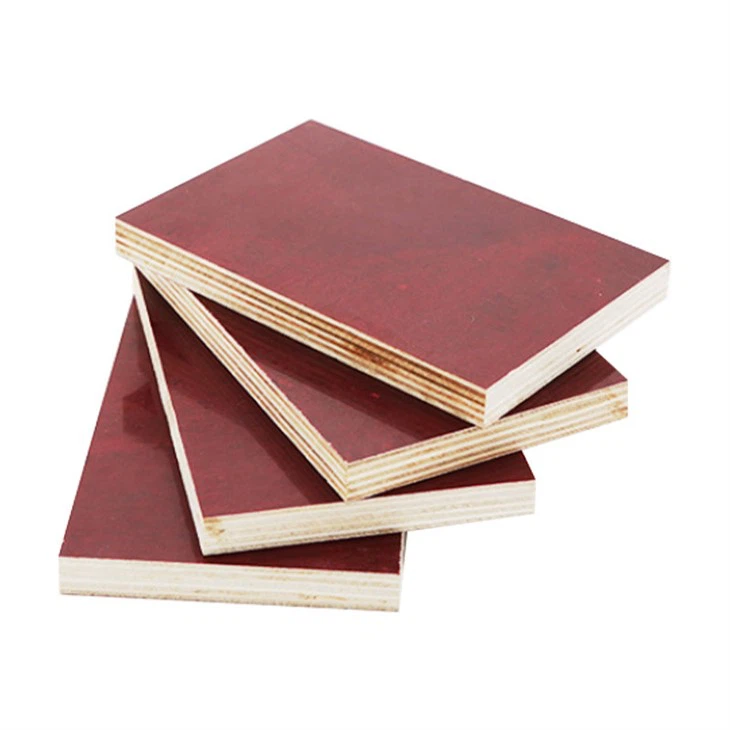
As a supplier, I offer a range of high - quality marine plywood products, including Red Construction Plywood, Waterproof Plywood for Outdoor, and Hardwood Large Thickness Plywood. These products are designed to withstand the harsh marine environment and offer excellent resistance to UV rays, moisture, and other environmental factors.
Conclusion
Protecting 18 Inch Marine Plywood from UV rays is essential for ensuring its longevity and maintaining its performance. By using UV - resistant finishes, UV - blocking films, storing the plywood in the shade, and performing regular maintenance and inspection, you can significantly reduce the impact of UV radiation on the plywood.
If you are in the market for high - quality 18 Inch Marine Plywood or have any questions about protecting it from UV rays, please feel free to contact me. I am always happy to assist you with your procurement needs and provide expert advice.
References
- "Wood Handbook: Wood as an Engineering Material." United States Department of Agriculture, Forest Service, Forest Products Laboratory.
- "Marine Plywood: Properties, Uses, and Selection." Journal of Wood Science and Technology.