

Hey there, fellow woodworking enthusiasts! I'm a supplier of Bamboo Plywood 4x8, and I've been getting a lot of questions lately about how to seal the edges of this amazing material. So, I thought I'd put together this blog post to share some tips and tricks that I've learned over the years.
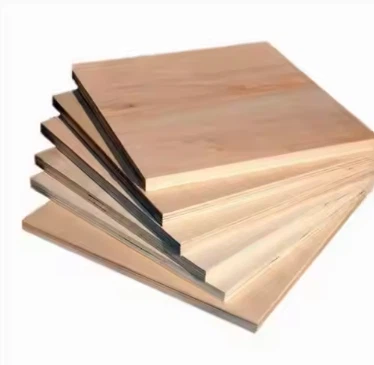
First things first, why do we need to seal the edges of bamboo plywood? Well, bamboo plywood is made up of multiple layers of bamboo veneers glued together. The edges of the plywood are where the layers are exposed, and if they're not sealed properly, they can absorb moisture, which can lead to warping, swelling, and even mold growth. Sealing the edges also helps to protect the plywood from damage and gives it a more finished look.
Now, let's talk about the different methods you can use to seal the edges of bamboo plywood. There are several options available, each with its own pros and cons.
1. Edge Banding
Edge banding is one of the most popular methods for sealing the edges of bamboo plywood. It involves applying a thin strip of material, usually made of wood, plastic, or veneer, to the edge of the plywood using adhesive. Edge banding comes in a variety of colors and finishes, so you can choose one that matches the color and style of your plywood.
The main advantage of edge banding is that it's relatively easy to apply and gives the plywood a professional-looking finish. It also helps to protect the edges from damage and wear. However, edge banding can be a bit tricky to apply, especially if you're using a thin strip of material. You'll need to make sure that the edge of the plywood is clean and smooth before applying the banding, and you'll need to use a good quality adhesive to ensure that it sticks properly.
2. Veneer Edging
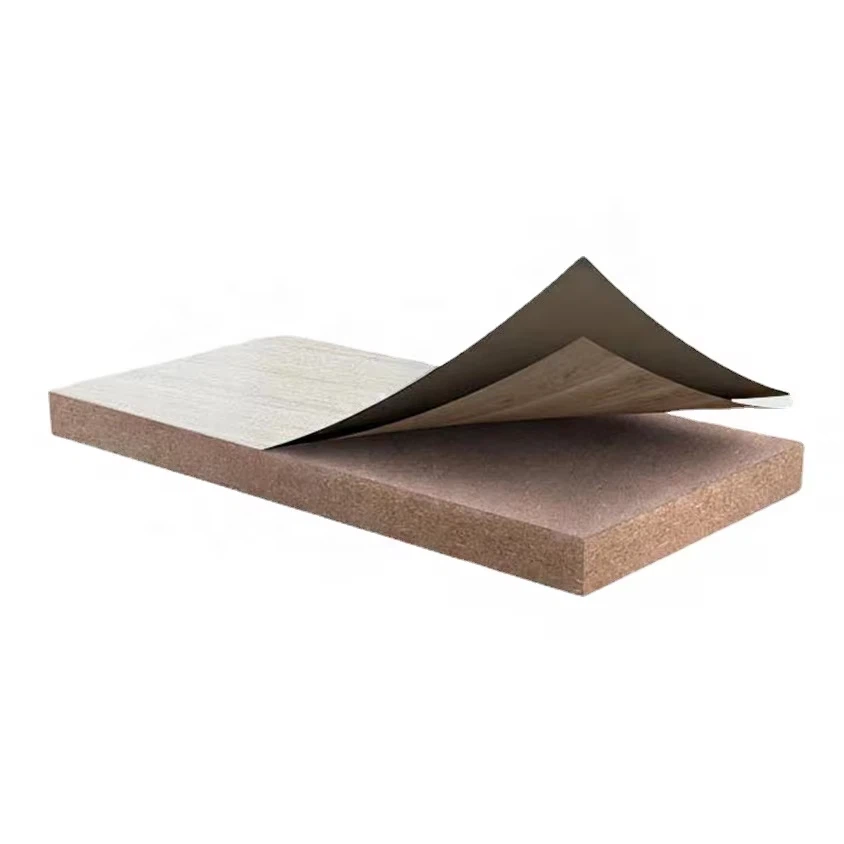
Veneer edging is similar to edge banding, but it uses a thin layer of wood veneer instead of a strip of material. Veneer edging is typically applied using a hot iron or a veneer press, which melts the adhesive and bonds the veneer to the edge of the plywood.
The main advantage of veneer edging is that it gives the plywood a natural, wood-like finish that looks great. It also helps to protect the edges from damage and wear. However, veneer edging can be a bit more expensive than edge banding, and it requires a bit more skill and experience to apply. You'll need to make sure that the edge of the plywood is clean and smooth before applying the veneer, and you'll need to use a good quality adhesive to ensure that it sticks properly.
3. Paint or Stain
Another option for sealing the edges of bamboo plywood is to paint or stain them. This method is relatively easy and inexpensive, and it allows you to customize the color and finish of the edges to match the rest of the plywood.
The main advantage of painting or staining the edges is that it's a quick and easy way to protect the edges from damage and wear. It also gives the plywood a more finished look. However, paint and stain can be a bit messy to apply, and they may not provide as much protection as edge banding or veneer edging. You'll need to make sure that the edge of the plywood is clean and dry before applying the paint or stain, and you'll need to apply multiple coats to ensure that it provides adequate protection.
4. Epoxy Resin
Epoxy resin is a strong, durable material that can be used to seal the edges of bamboo plywood. It's typically applied using a brush or a roller, and it dries to a hard, clear finish that provides excellent protection against moisture, damage, and wear.
The main advantage of using epoxy resin to seal the edges is that it provides a high level of protection and durability. It also gives the plywood a professional-looking finish. However, epoxy resin can be a bit expensive and messy to apply, and it requires a bit of skill and experience to use properly. You'll need to make sure that the edge of the plywood is clean and dry before applying the epoxy resin, and you'll need to follow the manufacturer's instructions carefully to ensure that it cures properly.
Tips for Sealing the Edges of Bamboo Plywood
Now that you know the different methods for sealing the edges of bamboo plywood, here are some tips to help you get the best results:
- Prepare the Edges: Before you start sealing the edges, make sure that they're clean and smooth. Use a sandpaper or a file to remove any rough spots or splinters, and wipe the edges down with a clean, dry cloth to remove any dust or debris.
- Choose the Right Material: When choosing a material to seal the edges, make sure that it's compatible with the type of plywood you're using. For example, if you're using a high-quality bamboo plywood, you may want to choose a veneer edging or an epoxy resin to provide the best protection and finish.
- Use a Good Quality Adhesive: Whether you're using edge banding, veneer edging, or epoxy resin, make sure that you use a good quality adhesive to ensure that it sticks properly. Follow the manufacturer's instructions carefully to ensure that you're using the adhesive correctly.
- Apply the Material Carefully: When applying the material to the edges, make sure that you do it carefully and evenly. Use a straightedge or a ruler to ensure that the material is applied straight and that there are no gaps or bubbles.
- Sand and Finish the Edges: After the material has dried or cured, sand the edges lightly to smooth them out and remove any rough spots. Then, apply a finish, such as a clear coat or a stain, to protect the edges and give them a more finished look.
Conclusion
Sealing the edges of bamboo plywood is an important step in protecting it from damage and wear. There are several methods available, each with its own pros and cons. By choosing the right method and following the tips outlined in this blog post, you can ensure that your bamboo plywood looks great and lasts for years to come.
If you're interested in purchasing Bamboo Plywood 4x8 or have any questions about sealing the edges, please don't hesitate to [contact us for a quote and start a procurement discussion]. We're here to help you find the right solution for your project.
References
- Woodworking Magazine
- Plywood Manufacturer's Guide
- DIY Woodworking Books