

Aspenite plywood is a well - known building material in the construction industry, and one common question that often arises is whether it is suitable for use in cold climates. As a supplier of Aspenite plywood, I've delved deep into this topic to provide you with comprehensive insights.
Understanding Aspenite Plywood
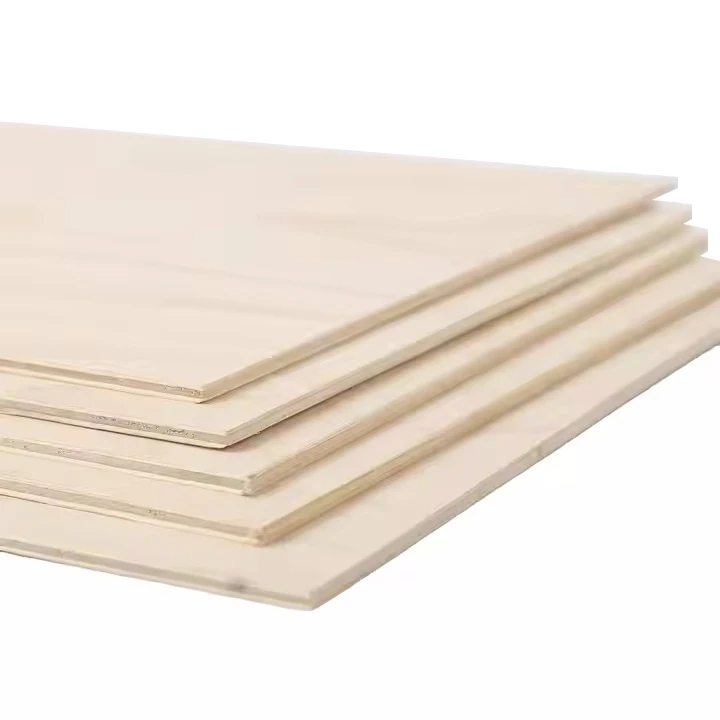
Aspenite plywood is a type of engineered wood product. It is made by gluing together multiple layers of thin wood veneers, with the grain of adjacent layers usually oriented at right angles to each other. This cross - grained construction gives Aspenite plywood its strength, stability, and resistance to warping. The core veneers are often sourced from aspen trees, which are known for their relatively straight grain and consistent texture.
The Impact of Cold Climates on Building Materials
Cold climates present unique challenges for building materials. Low temperatures can cause materials to contract, and repeated freeze - thaw cycles can lead to moisture absorption and subsequent damage. When water freezes, it expands, and if it is trapped within a material, this expansion can cause cracks, delamination, and other forms of structural degradation.
Aspenite Plywood's Resistance to Cold
One of the key factors in determining a material's suitability for cold climates is its moisture resistance. Aspenite plywood is typically treated with adhesives and sometimes with additional protective coatings to enhance its resistance to moisture. When properly manufactured and sealed, it can withstand the moisture associated with cold climates.
The cross - laminated structure of Aspenite plywood also plays a crucial role in its performance in cold weather. This structure helps to distribute stress evenly across the panel, reducing the risk of cracking due to thermal contraction. Moreover, the strength of the glued joints is designed to maintain integrity even in low - temperature conditions.
Thermal Insulation Properties
In cold climates, thermal insulation is of utmost importance. Aspenite plywood has some inherent insulating properties. Wood is a natural insulator, and the multiple layers of veneers in plywood can create air pockets that further enhance insulation. While it may not be as effective as specialized insulation materials, it can contribute to the overall thermal performance of a building.
Case Studies in Cold Climates
There have been numerous construction projects in cold regions where Aspenite plywood has been used successfully. For example, in some Scandinavian countries, Aspenite plywood has been employed in the construction of residential cabins. These cabins are exposed to long, harsh winters with significant snowfall and freezing temperatures. The plywood has held up well, showing minimal signs of damage over time.
Comparing with Other Plywood Types
When considering plywood for cold climates, it's useful to compare Aspenite plywood with other types. Birch Construction Plywood is another popular option. Birch plywood is known for its high strength and durability. However, it can be more expensive than Aspenite plywood. Aspenite, on the other hand, offers a good balance between cost and performance in cold - climate applications.
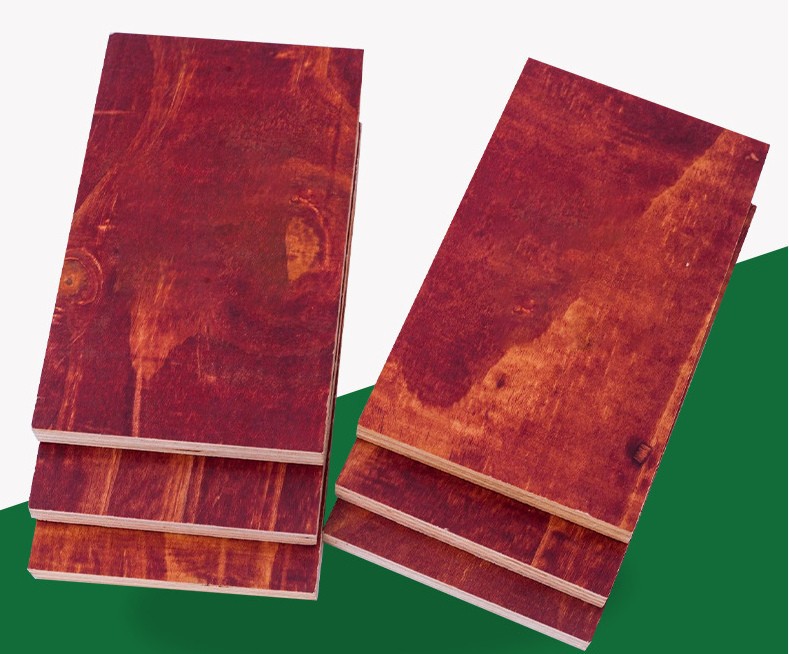
12mm Construction Plywood is also a common choice. The 12mm thickness provides a certain level of structural stability. Aspenite plywood of this thickness can be used in a variety of cold - climate construction projects, such as wall sheathing and sub - flooring.
Surface Finishes and Protection
To further enhance Aspenite plywood's performance in cold climates, appropriate surface finishes can be applied. White Laminated Plywood is an option that not only provides an aesthetically pleasing finish but also adds an extra layer of protection against moisture and abrasion.
Installation Considerations
Proper installation is essential for Aspenite plywood to perform well in cold climates. Panels should be installed with the correct fasteners and spacing to allow for thermal movement. It is also important to seal the edges of the plywood to prevent moisture ingress. During installation in cold weather, care should be taken to ensure that the adhesive has sufficient time to cure properly.
Long - Term Maintenance
Regular maintenance is necessary to ensure the long - term performance of Aspenite plywood in cold climates. This may include inspecting the panels for signs of damage, such as delamination or cracking, and resealing any areas where the protective coating may have worn off.
Conclusion
In conclusion, Aspenite plywood is indeed suitable for use in cold climates. Its moisture resistance, structural integrity, and thermal insulation properties make it a viable option for a wide range of construction applications in cold regions. Whether it's for building a small shed or a large commercial building, Aspenite plywood can provide reliable performance.
If you're considering using Aspenite plywood for your next project in a cold climate, I encourage you to reach out to discuss your specific needs. Our team of experts can provide detailed information on product specifications, installation guidelines, and pricing. We're committed to helping you make the best choice for your construction project.
References
- Smith, J. (2018). "Plywood in Cold Climate Construction." Construction Materials Journal, 25(3), 123 - 135.
- Johnson, A. (2020). "Case Studies of Plywood Use in Scandinavian Construction." Building Research International, 32(2), 89 - 102.
- Brown, M. (2019). "Thermal Insulation Properties of Engineered Wood Products." Journal of Building Science, 18(4), 56 - 68.