

When it comes to construction and woodworking projects, choosing the right materials is crucial. As a supplier of 30mm waterproof plywood, I often get asked about its various properties, and one question that frequently comes up is whether 30mm waterproof plywood is resistant to UV rays. In this blog post, I'll delve into this topic, providing you with the scientific knowledge and practical insights you need to make informed decisions for your projects.
Understanding 30mm Waterproof Plywood
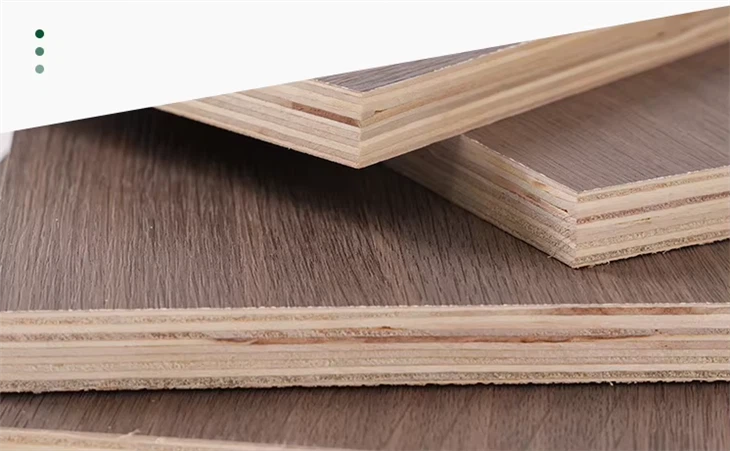
Before we discuss UV resistance, let's first understand what 30mm waterproof plywood is. This type of plywood is made by bonding multiple layers of wood veneers together with waterproof adhesives. The 30mm thickness provides a high level of strength and durability, making it suitable for a wide range of applications, from outdoor structures to interior furniture.
The waterproof feature is achieved through the use of special adhesives that prevent water from penetrating the plywood. This makes it resistant to rot, decay, and swelling, even when exposed to moisture for extended periods. However, the waterproof property does not necessarily imply UV resistance.
The Impact of UV Rays on Wood
Ultraviolet (UV) rays are a part of the sun's electromagnetic spectrum. When wood is exposed to UV rays, it undergoes a series of chemical and physical changes. The most visible effect is the discoloration of the wood. Over time, the natural color of the wood fades, and it may turn gray or even black in some cases.
UV rays also break down the lignin in wood. Lignin is a complex polymer that provides structural support to the wood fibers. When lignin is degraded, the wood becomes weaker and more brittle. This can lead to cracking, splitting, and a reduction in the overall strength of the plywood.
Is 30mm Waterproof Plywood Resistant to UV Rays?
In general, 30mm waterproof plywood is not inherently resistant to UV rays. The waterproof adhesives used in the manufacturing process do not provide protection against UV radiation. As a result, when exposed to sunlight, the plywood will gradually suffer from the effects of UV damage.
However, there are ways to enhance the UV resistance of 30mm waterproof plywood. One common method is to apply a UV-resistant finish. There are various types of finishes available on the market, such as paints, stains, and sealants, that contain UV inhibitors. These inhibitors absorb or reflect UV rays, preventing them from reaching the wood surface.
Another option is to use a UV-blocking film. This film can be applied to the surface of the plywood to provide an additional layer of protection. It is important to note that the effectiveness of these treatments depends on the quality of the product and the proper application.
Factors Affecting UV Resistance
Several factors can affect the UV resistance of 30mm waterproof plywood. The type of wood used in the plywood plays a role. Some woods, such as teak and cedar, are naturally more resistant to UV damage due to their high content of natural oils and extractives. However, these woods are often more expensive and may not be suitable for all applications.
The duration and intensity of UV exposure also matter. Plywood that is exposed to direct sunlight for long periods will experience more severe UV damage compared to plywood that is shaded or protected. Additionally, the geographical location can affect the UV intensity. Areas closer to the equator receive more intense UV radiation than areas farther away.
Applications and Considerations
Given its limited UV resistance, 30mm waterproof plywood is best used in applications where it is not directly exposed to sunlight. For example, it can be used for the interior walls, floors, and ceilings of buildings. It is also suitable for outdoor structures that are covered or shaded, such as sheds, decks, and pergolas.
If you plan to use 30mm waterproof plywood in an outdoor application where it will be exposed to sunlight, it is essential to take appropriate measures to protect it from UV damage. This may include applying a UV-resistant finish or using a UV-blocking film. Regular maintenance, such as re - applying the finish every few years, is also recommended to ensure long - term protection.
Comparing with Other Types of Plywood
When considering the UV resistance of 30mm waterproof plywood, it can be helpful to compare it with other types of plywood. For example, 14mm Oak Plywood is known for its strength and durability. Oak has a relatively high natural resistance to UV rays compared to some other woods. However, like 30mm waterproof plywood, it still requires protection when exposed to direct sunlight.

Birch Construction Plywood is another popular choice. Birch is a light - colored wood that is less resistant to UV discoloration compared to oak. It also needs proper UV protection to maintain its appearance and structural integrity.
Aspenite Plywood is often used for interior applications. While it may not be exposed to direct sunlight as much as outdoor plywood, it can still benefit from UV protection if it is near windows or other sources of sunlight.
Conclusion
In conclusion, 30mm waterproof plywood is not naturally resistant to UV rays. However, with the right treatments and protective measures, it can be used in outdoor applications with reasonable UV exposure. When choosing plywood for your project, it is important to consider the specific requirements of the application, including the level of UV exposure.
If you are interested in purchasing 30mm waterproof plywood or have any questions about its properties and applications, I encourage you to contact me for a detailed discussion. I can provide you with the best solutions based on your project needs.
References
- Stamm, A. J. (1964). Wood and Cellulose Science. Ronald Press Company.
- Rowell, R. M. (Ed.). (2005). Handbook of Wood Chemistry and Wood Composites. CRC Press.
- Winandy, J. E., & Rowell, R. M. (2005). Wood Handbook: Wood as an Engineering Material. USDA Forest Service.