

Hey there! I'm a supplier of Black Film Plywood, and I often get asked if this type of plywood is suitable for use in cold climates. Well, let's dive right into it and find out.
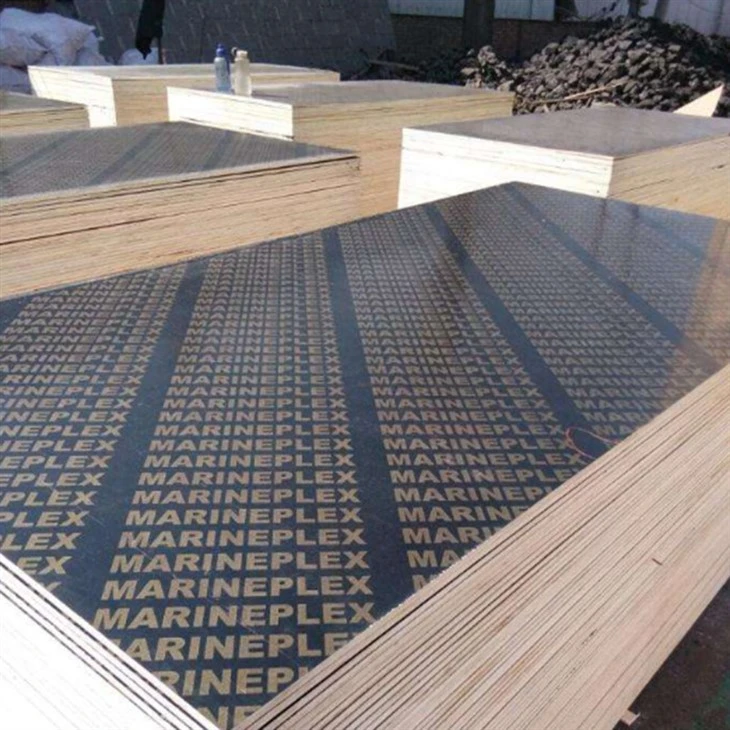
First off, let's understand what Black Film Plywood is. It's a type of plywood that has a black film on its surface. This film not only gives it a sleek and modern look but also provides some additional protection. The film can act as a barrier against moisture, scratches, and other forms of damage.
Now, when it comes to cold climates, there are a few factors we need to consider. One of the main concerns is how the plywood will hold up against the cold temperatures and the associated weather conditions like snow, ice, and freezing rain.

Resistance to Cold Temperatures
Plywood is made up of multiple layers of wood veneers glued together. In cold climates, the glue used in the plywood can be a critical factor. High - quality Black Film Plywood uses adhesives that are designed to withstand a wide range of temperatures. These adhesives are formulated to remain stable even in freezing conditions, ensuring that the layers of the plywood stay firmly bonded together.
However, if the plywood is exposed to extremely low temperatures for an extended period, there is a risk that the glue could become brittle. This might lead to delamination, where the layers of the plywood start to separate. But if the plywood is properly installed and protected, this risk can be minimized.
Moisture and Cold
Moisture is another big issue in cold climates. When water gets into the plywood, it can freeze and expand, causing the wood to crack or warp. The black film on the plywood can help prevent moisture from seeping in. It acts as a waterproofing layer, reducing the chances of water damage.
But it's important to note that the edges of the plywood are more vulnerable. If the edges are not properly sealed, water can still find its way in. So, when using Black Film Plywood in cold climates, it's a good idea to seal the edges with a waterproof sealant. This will provide an extra layer of protection against moisture.
Durability in Snow and Ice
Snow and ice can put a lot of pressure on the plywood. The weight of the snow can cause the plywood to bend or break if it's not strong enough. Black Film Plywood is usually quite sturdy, but the thickness of the plywood matters. Thicker plywood will be more resistant to the weight of snow and ice.
Also, the black film can help prevent ice from sticking to the surface. This is because the film has a smooth surface, which makes it harder for ice to adhere. However, if there is a lot of ice buildup, it's still important to clear it off regularly to avoid any damage to the plywood.
Comparing with Other Types of Plywood
There are other types of plywood available in the market, and it's worth comparing Black Film Plywood with them. For example, Birch Film Faced Plywood is also a popular choice. Birch plywood is known for its strength and durability. It has a similar film on its surface, which provides protection against moisture and scratches.
Finger Joint Recycled Concrete Plywood is another option. This type of plywood is made from recycled materials and is designed for use in concrete formwork. It may have different performance characteristics compared to Black Film Plywood, especially in cold climates.
Installation in Cold Climates
When installing Black Film Plywood in cold climates, there are a few things to keep in mind. First, make sure the surface where the plywood will be installed is clean and dry. Cold temperatures can slow down the drying process of any adhesives or sealants, so it's important to follow the manufacturer's instructions carefully.
Also, avoid installing the plywood when the temperature is too low. Most adhesives and sealants have a recommended temperature range for application. Installing the plywood outside of this range can lead to poor adhesion and reduced performance.
Maintenance in Cold Climates
Proper maintenance is key to ensuring the longevity of Black Film Plywood in cold climates. Regularly inspect the plywood for any signs of damage, such as cracks, warping, or delamination. If you notice any issues, address them immediately.
Clean the plywood periodically to remove any dirt, snow, or ice. Use a soft brush or a gentle cleaning solution to avoid scratching the black film. And as mentioned earlier, make sure to check and re - seal the edges of the plywood if necessary.
Conclusion
So, is Black Film Plywood suitable for use in cold climates? The answer is yes, but with some precautions. If you choose high - quality plywood, install it correctly, and maintain it properly, it can perform well in cold weather conditions. The black film provides a certain level of protection against moisture and other elements, but you still need to take steps to ensure its durability.
If you're interested in purchasing Black Film Plywood for your project in a cold climate, or if you have any questions about its suitability, feel free to get in touch. We're here to help you make the right choice for your needs. You can check out our Black Faced Plywood for more details. Let's start a conversation and see how we can work together on your next project!
References
- Plywood Manufacturer's Technical Guides
- Construction Industry Research on Plywood Performance in Cold Climates