

Hey there! As a plywood supplier, I've been getting a lot of questions lately about what adhesives are suitable for plywood. So, I thought I'd put together this blog post to share some insights.
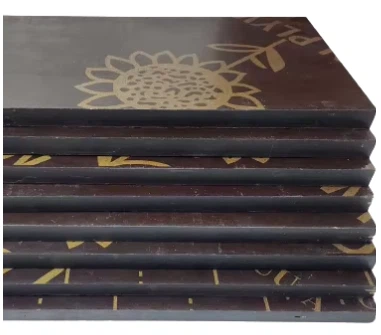

First off, let's talk about why choosing the right adhesive is so important. The adhesive you use can have a huge impact on the quality, durability, and performance of your plywood. A good adhesive will ensure that the layers of plywood are firmly bonded together, preventing delamination and increasing the overall strength of the material.
Types of Adhesives for Plywood
1. Urea - Formaldehyde (UF) Adhesives
Urea - formaldehyde adhesives are one of the most commonly used adhesives in the plywood industry. They're relatively inexpensive, easy to use, and cure quickly. UF adhesives work well for interior applications where the plywood won't be exposed to excessive moisture. For example, they're great for making furniture, cabinets, and interior wall paneling.
However, UF adhesives do have some drawbacks. They release formaldehyde gas over time, which can be a health concern, especially in poorly ventilated spaces. There are low - formaldehyde and formaldehyde - free versions available, but they can be a bit more expensive.
2. Phenol - Formaldehyde (PF) Adhesives
Phenol - formaldehyde adhesives are known for their excellent water resistance and durability. They're often used in exterior plywood applications, such as roofing, sheathing, and outdoor furniture. PF adhesives can withstand high levels of moisture and temperature changes without losing their bonding strength.
The downside of PF adhesives is that they're more expensive than UF adhesives and have a longer curing time. They also have a darker color, which might not be ideal for some aesthetic applications.
3. Melamine - Formaldehyde (MF) Adhesives
Melamine - formaldehyde adhesives are a good middle - ground between UF and PF adhesives. They offer better water resistance than UF adhesives and are more aesthetically pleasing than PF adhesives. MF adhesives are commonly used for decorative plywood, like veneered panels, where a smooth and attractive finish is required.
Similar to UF adhesives, MF adhesives can also release formaldehyde, although usually at lower levels. You can find low - formaldehyde options if you're concerned about indoor air quality.
4. Polyurethane (PU) Adhesives
Polyurethane adhesives are a great choice for plywood applications that require high strength and flexibility. They can bond a wide range of materials, including wood, metal, and plastic. PU adhesives are also water - resistant and can be used in both interior and exterior applications.
One of the advantages of PU adhesives is that they can fill gaps and irregularities between the plywood layers, providing a strong and durable bond. However, they can be more expensive than other types of adhesives, and they require careful handling and application.
Factors to Consider When Choosing an Adhesive
1. Application
The first thing you need to consider is where the plywood will be used. If it's for an interior project, like a bookshelf or a closet, a UF or MF adhesive might be sufficient. But if the plywood will be exposed to the elements, such as in a deck or a shed, a PF or PU adhesive is a better choice. You can learn more about different plywood applications on our website Plywood Fire Resistance.
2. Moisture Resistance
Moisture is one of the biggest enemies of plywood. If the plywood will be in a humid environment or exposed to water, you need an adhesive that can withstand moisture. PF and PU adhesives are the top choices for high - moisture applications. Check out our Waterproof Plywood 4x8 Sheet Lowes page for more details on waterproof plywood.
3. Strength Requirements
The strength of the adhesive is also crucial, especially if the plywood will be supporting heavy loads. For structural applications, like floor joists or roof trusses, you need an adhesive that can provide a strong and reliable bond. PF and PU adhesives are known for their high strength.
4. Aesthetics
If the appearance of the plywood is important, you'll want to choose an adhesive that won't affect the color or finish of the wood. MF adhesives are a good option for decorative plywood because they can provide a smooth and attractive surface. And if you're interested in bamboo plywood, which has a unique and beautiful appearance, check out our Bamboo Plywood 4x8 page.
Application Tips
Once you've chosen the right adhesive for your plywood, it's important to apply it correctly. Here are some tips:
- Surface Preparation: Make sure the plywood surfaces are clean, dry, and free of any dust, dirt, or grease. You can use a sandpaper to roughen the surface slightly, which will help the adhesive bond better.
- Mixing: If you're using a two - part adhesive, make sure to mix the components thoroughly according to the manufacturer's instructions.
- Application: Apply the adhesive evenly to one or both of the plywood surfaces using a brush, roller, or spray gun. Make sure to apply the right amount of adhesive; too little won't provide a strong bond, and too much can cause the adhesive to squeeze out and create a mess.
- Clamping: After applying the adhesive, clamp the plywood layers together firmly. This will ensure that the adhesive spreads evenly and creates a strong bond. Leave the clamps in place for the recommended curing time.
Conclusion
Choosing the right adhesive for your plywood is essential for ensuring the quality and performance of your project. Whether you're working on an interior or exterior project, there's an adhesive out there that's perfect for your needs. As a plywood supplier, I'm here to help you make the right choice. If you have any questions or need more information about plywood or adhesives, don't hesitate to reach out. We'd love to have a chat with you and discuss your procurement needs. Whether you're a DIY enthusiast or a professional contractor, we're ready to provide you with the best plywood and adhesive solutions.
References
- ASTM International. "Standard Specification for Structural Plywood." ASTM D3500.
- Wood Adhesive Manufacturers Association. "Guide to Adhesives for Wood Products."