

When it comes to marine applications, 18-inch marine plywood stands out as a staple material due to its durability, water resistance, and strength. As a supplier of 18-inch marine plywood, I've encountered various inquiries about the different grades available in the market. In this blog post, I'll delve into the distinct grades of 18-inch marine plywood, exploring their characteristics, benefits, and suitable applications.
Understanding the Basics of Marine Plywood
Marine plywood is specifically engineered to withstand harsh marine environments, including exposure to water, humidity, and fluctuating temperatures. Unlike regular plywood, marine plywood is constructed using high-quality veneers and waterproof adhesives, which prevent delamination and rot. This makes it ideal for a wide range of marine projects, such as boat building, dock construction, and marine flooring.
Classification of 18-Inch Marine Plywood Grades
18-inch marine plywood is typically classified into different grades based on its quality, appearance, and performance. The most common grading systems used for marine plywood include the American Plywood Association (APA) grading system and the European (EN) grading system. Here's a breakdown of the different grades of 18-inch marine plywood:
APA Grade A/A
APA Grade A/A marine plywood is the highest quality grade available in the market. It features two defect-free faces, which are sanded smooth for a perfect finish. This grade is predominantly used in high-end marine applications where appearance is key, such as yacht interiors, cabinetry, and decorative elements. The veneers used in Grade A/A plywood are of the highest quality, ensuring maximum strength, durability, and resistance to water damage.
APA Grade A/B
APA Grade A/B marine plywood has one defect-free face (Grade A) and one face with minor defects (Grade B). This makes it a cost-effective option for marine projects where one side of the plywood will be visible, while the other side can be hidden or covered. Grade A/B plywood is commonly used in boat building, marine furniture, and bulkheads. Despite its lower appearance grade, it still offers excellent strength and water resistance, making it a reliable choice for marine applications.
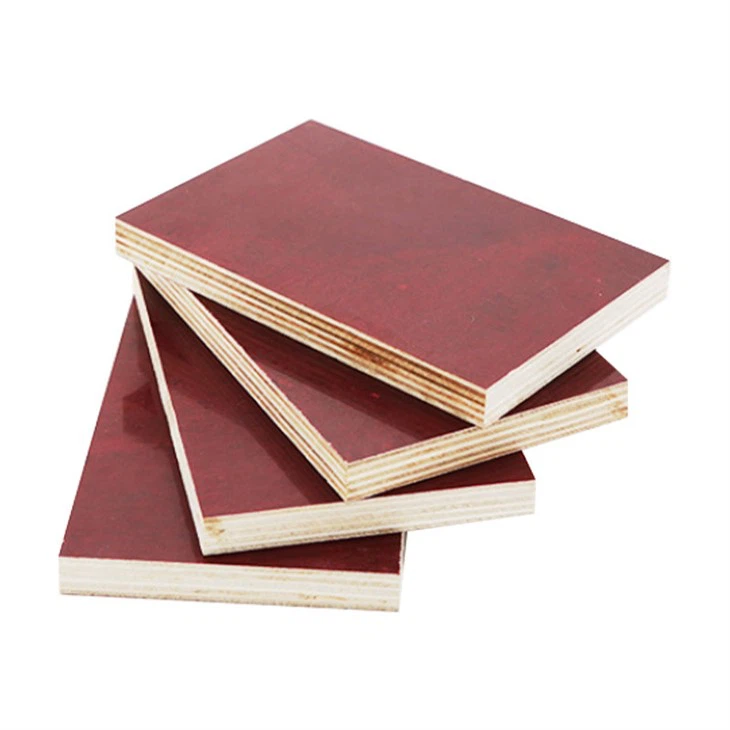

APA Grade B/B
APA Grade B/B marine plywood has two faces with minor defects, such as small knots and patches. This grade is suitable for marine projects where appearance is not the primary concern, but strength and water resistance are essential. Grade B/B plywood is often used in structural applications, such as hull construction, decking, and framing. It provides a good balance between quality and cost, making it a popular choice among boat builders and marine contractors.
European (EN) Grades
In Europe, marine plywood is graded according to the EN 636 standard, which includes four main grades: BS 1088, EN 636-2, EN 636-3, and EN 636-4. BS 1088 is the highest quality grade, similar to APA Grade A/A, and is specifically designed for use in marine environments. EN 636-2 and EN 636-3 are intermediate grades with varying levels of quality and performance, while EN 636-4 is the lowest grade and is typically used for general construction purposes.
Factors Affecting 18-Inch Marine Plywood Grades
Several factors can influence the grade of 18-inch marine plywood, including the quality of the veneers, the type of adhesive used, and the manufacturing process. Here are some key factors to consider:
Veneer Quality
The quality of the veneers used in marine plywood is crucial for determining its grade and performance. High-quality veneers are free from defects, such as knots, splits, and voids, and have a consistent thickness and density. Veneers that are sourced from sustainable forests and are carefully selected and processed will result in a higher grade of marine plywood.
Adhesive Type
The type of adhesive used in marine plywood plays a significant role in its water resistance and durability. Waterproof adhesives, such as phenol-formaldehyde (PF) and melamine-formaldehyde (MF), are commonly used in marine plywood to prevent delamination and rot. These adhesives provide a strong bond between the veneers, ensuring that the plywood remains stable and resistant to water damage.
Manufacturing Process
The manufacturing process of marine plywood also affects its grade and quality. Plywood that is manufactured using advanced techniques, such as computerized cutting and pressing, will have a more consistent thickness and density, resulting in a higher grade of plywood. Additionally, plywood that is thoroughly dried and treated to remove moisture and prevent fungal growth will be more resistant to water damage and decay.
Applications of Different Grades of 18-Inch Marine Plywood
Each grade of 18-inch marine plywood has its own unique characteristics and is suitable for specific applications. Here's a breakdown of the typical applications for each grade:
APA Grade A/A
- Yacht interiors
- Cabinetry and furniture
- Decorative elements
- High-end marine installations
APA Grade A/B
- Boat building
- Marine furniture
- Bulkheads
- Interior partitions
APA Grade B/B
- Hull construction
- Decking
- Framing
- Structural components
European (EN) Grades
- BS 1088: High-end marine applications, such as luxury yachts and boats
- EN 636-2 and EN 636-3: General marine construction, including boat building and dock construction
- EN 636-4: General construction purposes, such as roofing and flooring
Choosing the Right Grade of 18-Inch Marine Plywood
When choosing the right grade of 18-inch marine plywood for your project, it's important to consider several factors, including the application, the budget, and the desired appearance. Here are some tips to help you make an informed decision:
- Consider the application: Determine the specific requirements of your project, such as the level of water exposure, the expected load, and the desired finish. This will help you choose the grade of marine plywood that is best suited for your needs.
- Evaluate the budget: Marine plywood can vary significantly in price depending on the grade and quality. Set a budget for your project and choose the grade of plywood that offers the best balance between quality and cost.
- Assess the appearance: If appearance is important for your project, choose a higher grade of marine plywood with a smooth, defect-free finish. However, if appearance is not a primary concern, a lower grade of plywood may be more suitable.
- Check the certification: Look for marine plywood that is certified by a recognized organization, such as the APA or the European Committee for Standardization (CEN). This ensures that the plywood meets the required quality and performance standards.
Conclusion
In conclusion, 18-inch marine plywood is available in a variety of grades, each with its own unique characteristics and suitable applications. As a supplier of 18-inch marine plywood, I understand the importance of choosing the right grade for your project. Whether you're building a boat, constructing a dock, or creating marine furniture, selecting the appropriate grade of marine plywood will ensure the durability, strength, and longevity of your project.
If you're in the market for 18-inch marine plywood, I invite you to explore our wide range of products. We also offer other types of plywood, such as Red Construction Plywood, 14mm Oak Plywood, and Aspenite Plywood. Feel free to contact us for more information or to discuss your specific requirements. We're here to help you find the perfect plywood solution for your project.
References
- American Plywood Association (APA). (2023). Marine Plywood: Grading and Specifications.
- European Committee for Standardization (CEN). (2023). EN 636: Plywood - Specifications.