

When it comes to construction and building projects, Pine LVL (Laminated Veneer Lumber) Beams are a popular choice due to their strength, versatility, and cost - effectiveness. As a Pine LVL Beam supplier, I've had the opportunity to work with different grades of these beams, and I'm excited to share some insights with you.
Understanding Pine LVL Beams
First off, let's get a quick rundown on what Pine LVL Beams are. Pine LVL is made by bonding thin veneers of pine wood together with adhesives under high pressure. This process creates a highly stable and strong engineered wood product, which is much more reliable than traditional solid lumber in many applications. You can find out more about Pine LVL Beam on our website.
Different Grades of Pine LVL Beams
There are generally several grades of Pine LVL Beams, each with its own characteristics and suitable applications.
Grade 1: High - Quality Structural Grade
This is the top - tier grade of Pine LVL Beams. The veneers used in Grade 1 beams are selected for their high strength and low defect rate. These beams have very consistent properties and are able to withstand heavy loads. They are commonly used in large - scale commercial and industrial construction projects, such as high - rise buildings, warehouses, and large bridges.
If you're building a structure where safety and load - bearing capacity are of utmost importance, Grade 1 Pine LVL Beams are your best bet. For example, in a multi - story office building, the beams need to support the weight of the upper floors, partitions, and all the equipment inside. Using Grade 1 beams ensures that the structure is stable and secure for the long term.
Grade 2: Standard Structural Grade
Grade 2 Pine LVL Beams are also quite strong, but they may have slightly more defects compared to Grade 1. These defects are still within acceptable limits and do not significantly affect the overall performance of the beam. They are widely used in residential construction, such as for floor joists, roof trusses, and headers.
In a typical single - family home, Grade 2 beams can provide sufficient support for the floors and roofs. They are a cost - effective solution as they offer a good balance between strength and price. If you're looking for a reliable option for your home building project without breaking the bank, Grade 2 Pine LVL Beams are definitely worth considering.
Grade 3: Utility Grade
Grade 3 Pine LVL Beams are designed for less demanding applications. They may have more visible knots and minor defects, but they still possess a reasonable amount of strength. These beams are often used in non - structural or light - duty applications, like temporary formwork in concrete construction, or for making furniture frames.
For instance, if you're setting up a temporary structure on a construction site to hold wet concrete in place until it dries, Grade 3 Pine LVL Beams can do the job just fine. They are also a great choice for DIY furniture makers who want to use an affordable and relatively strong wood product.
Comparison with Other Timber Products
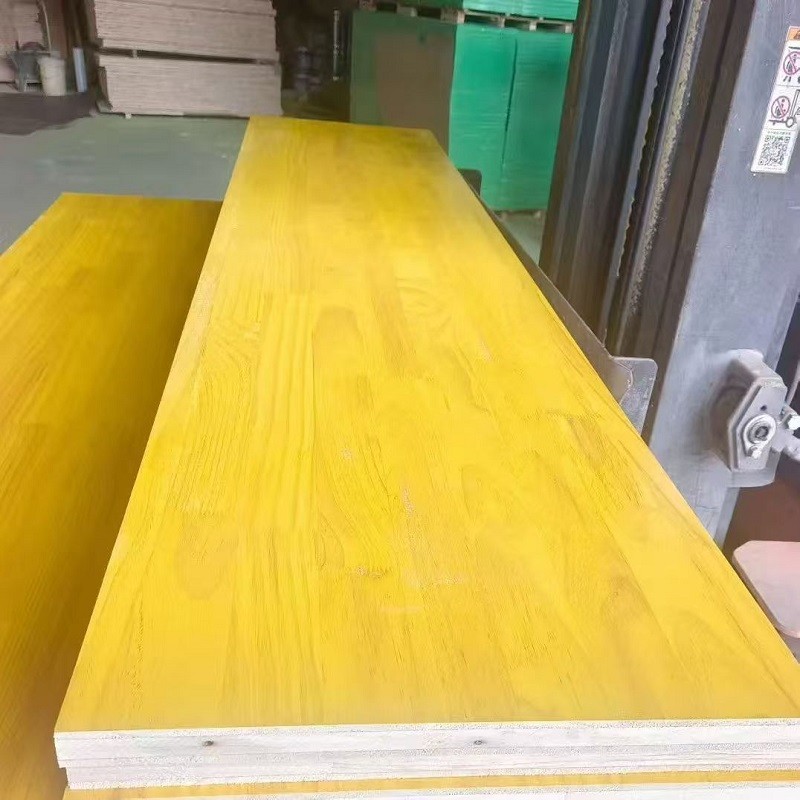
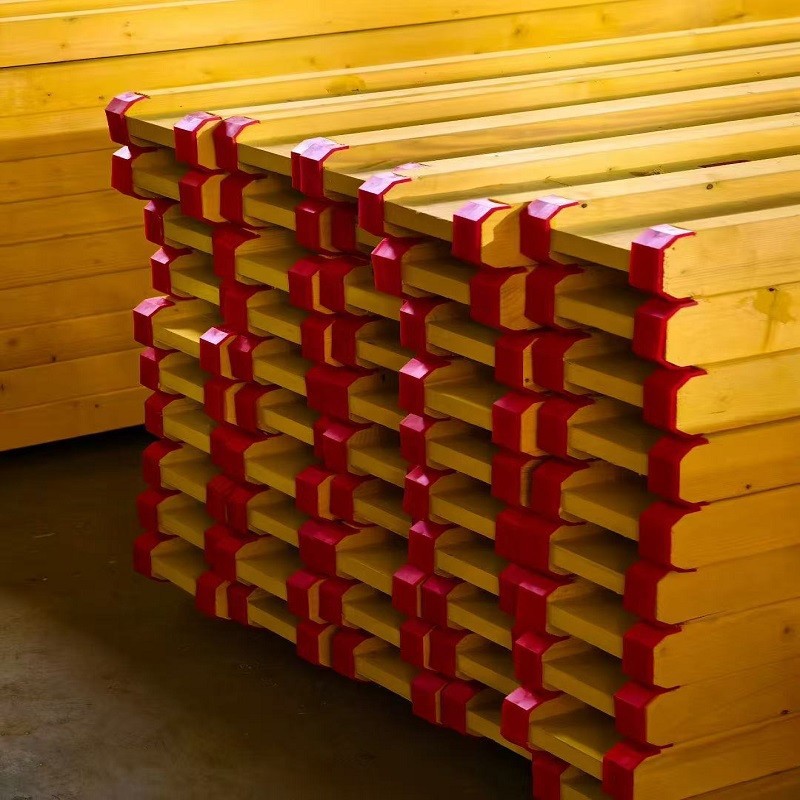
It's also important to consider how Pine LVL Beams stack up against other timber products on the market. Two common alternatives are H20 Timber 3 - ply and H20 Timber Beam.
H20 Timber products are known for their high strength and durability. They are made from high - quality timber and are often used in heavy - duty construction applications. Compared to Pine LVL Beams, H20 Timber products may be more expensive, but they offer excellent performance in extreme conditions.
On the other hand, Pine LVL Beams are more versatile in terms of size and shape. They can be easily cut and customized to fit different project requirements. Also, the manufacturing process of Pine LVL Beams allows for more consistent quality compared to natural timber, which can have variations in strength and appearance.
Factors Affecting Grade Selection
When choosing the right grade of Pine LVL Beams for your project, there are several factors to consider.
Load Requirements
The most obvious factor is the load that the beam needs to support. If you have a heavy - load application, such as a large commercial building, you'll need to go for Grade 1 or at least Grade 2 beams. For light - load applications, Grade 3 beams will suffice.
Cost
Cost is always a major consideration in any construction project. Higher - grade beams are more expensive due to their better quality and performance. You need to balance your budget with the requirements of your project. Sometimes, using a slightly lower - grade beam in non - critical areas can help you save money without sacrificing too much on quality.
Aesthetics
In some cases, aesthetics may also play a role. If the beams will be visible in the finished structure, you may prefer a higher - grade beam with a smoother and more uniform appearance.
Working with Pine LVL Beams
Once you've selected the appropriate grade of Pine LVL Beams for your project, it's important to know how to work with them properly.
Cutting and Shaping
Pine LVL Beams can be cut using standard woodworking tools, such as circular saws and band saws. However, it's important to use sharp blades to ensure a clean cut. Wear appropriate safety gear, like goggles and dust masks, as the cutting process can generate sawdust.
Installation
When installing Pine LVL Beams, make sure to follow the manufacturer's instructions carefully. Proper support and fastening are crucial to ensure the beams perform as expected. Use appropriate connectors and hardware to secure the beams in place.
Conclusion
In conclusion, understanding the different grades of Pine LVL Beams is essential for any construction project. Whether you're building a small home or a large commercial complex, there's a grade of Pine LVL Beam that's suitable for your needs. As a supplier, I'm here to help you choose the right product for your project.
If you're interested in purchasing Pine LVL Beams or have any questions about the different grades and their applications, feel free to reach out. We're ready to assist you in making the best choice for your construction needs.
References
American Wood Council. National Design Specification for Wood Construction and Commentary.
Timber Development Association. Engineered Wood Products Handbook.