

Black phenolic plywood has emerged as a popular choice for wall paneling in various construction and interior design projects. As a supplier of black phenolic plywood, I have witnessed firsthand the growing demand for this versatile material. In this blog post, I will explore the effects of using black phenolic plywood for wall paneling, highlighting its benefits, potential drawbacks, and considerations for installation and maintenance.
Aesthetic Appeal
One of the most significant effects of using black phenolic plywood for wall paneling is its aesthetic appeal. The deep, rich black color of the phenolic resin creates a bold and sophisticated look that can enhance the visual impact of any space. Whether used in a modern, minimalist interior or a more traditional setting, black phenolic plywood adds a touch of elegance and drama.
The smooth, glossy surface of black phenolic plywood also reflects light, creating a sense of depth and dimension in the room. This can make smaller spaces appear larger and more open, while adding a luxurious feel to larger areas. Additionally, the uniform color and finish of black phenolic plywood provide a consistent and cohesive look, making it easy to integrate into any design scheme.
Durability and Resistance
Another key effect of using black phenolic plywood for wall paneling is its durability and resistance to various environmental factors. Phenolic resin is a highly durable material that is resistant to moisture, chemicals, abrasion, and impact. This makes black phenolic plywood an ideal choice for wall paneling in areas that are prone to wear and tear, such as commercial kitchens, bathrooms, and high-traffic areas.
In addition to its resistance to physical damage, black phenolic plywood is also resistant to fire. Phenolic resin has a high ignition point and does not contribute to the spread of flames, making it a safe choice for wall paneling in buildings where fire safety is a concern. This can help to reduce the risk of fire damage and ensure the safety of occupants.
Hygiene and Cleanliness
Black phenolic plywood is also known for its hygiene and cleanliness. The smooth, non-porous surface of the phenolic resin makes it easy to clean and maintain, preventing the growth of bacteria, mold, and mildew. This makes black phenolic plywood an ideal choice for wall paneling in areas where hygiene is a priority, such as hospitals, laboratories, and food processing facilities.
In addition to its resistance to bacteria and mold, black phenolic plywood is also resistant to stains and odors. This makes it easy to keep the wall paneling looking clean and fresh, even in areas where spills and messes are common. Simply wipe the surface with a damp cloth and mild detergent to remove dirt and stains.
Installation and Maintenance
Installing black phenolic plywood for wall paneling is relatively straightforward and can be done by a professional contractor or a DIY enthusiast. The plywood can be cut to size using a saw and attached to the wall using nails, screws, or adhesive. It is important to ensure that the wall surface is clean, dry, and level before installing the plywood to ensure a smooth and even finish.
Once installed, black phenolic plywood requires minimal maintenance. As mentioned earlier, the smooth, non-porous surface makes it easy to clean and maintain. However, it is important to avoid using abrasive cleaners or scrubbers, as these can damage the surface of the plywood. Instead, use a mild detergent and a soft cloth to clean the wall paneling.
Potential Drawbacks
While black phenolic plywood offers many benefits for wall paneling, there are also some potential drawbacks to consider. One of the main drawbacks is the cost. Black phenolic plywood is generally more expensive than other types of plywood, such as White Film Faced Plywood or Pine Film Faced Plywood. This can make it a less affordable option for some projects.
Another potential drawback is the weight of the plywood. Black phenolic plywood is heavier than other types of plywood, which can make it more difficult to handle and install. This may require additional labor and equipment, which can increase the overall cost of the project.
Finally, black phenolic plywood may not be suitable for all design styles. The bold, dark color of the plywood may not complement every interior design scheme, and it may be more difficult to match with other materials and finishes. It is important to consider the overall design of the space and the desired aesthetic before choosing black phenolic plywood for wall paneling.
Considerations for Choosing Black Phenolic Plywood
When choosing black phenolic plywood for wall paneling, there are several factors to consider. First, consider the quality of the plywood. Look for plywood that is made from high-quality materials and has a smooth, uniform finish. Check the thickness and density of the plywood to ensure that it is suitable for your specific application.

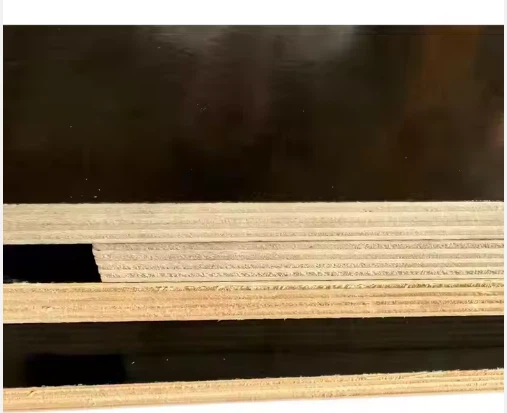
Second, consider the size and shape of the plywood. Black phenolic plywood is available in a variety of sizes and thicknesses, so choose the size that is appropriate for your wall paneling project. You may also need to consider the shape of the plywood, as some projects may require custom-cut pieces.
Third, consider the cost of the plywood. As mentioned earlier, black phenolic plywood is generally more expensive than other types of plywood. However, the cost may vary depending on the quality, size, and thickness of the plywood. It is important to compare prices from different suppliers to ensure that you are getting the best value for your money.
Finally, consider the installation and maintenance requirements of the plywood. Make sure that you have the necessary tools and skills to install the plywood properly, or hire a professional contractor to do the job. Additionally, make sure that you understand the maintenance requirements of the plywood and are willing to invest the time and effort to keep it looking its best.
Conclusion
In conclusion, using black phenolic plywood for wall paneling can have a significant impact on the aesthetic appeal, durability, hygiene, and cleanliness of a space. The deep, rich black color of the phenolic resin creates a bold and sophisticated look that can enhance the visual impact of any room, while the durability and resistance of the material make it an ideal choice for areas that are prone to wear and tear.
However, there are also some potential drawbacks to consider, such as the cost, weight, and suitability for certain design styles. It is important to carefully consider these factors before choosing black phenolic plywood for your wall paneling project.
If you are interested in using black phenolic plywood for your wall paneling project, I encourage you to contact me to discuss your options. As a supplier of high-quality black phenolic plywood, I can provide you with the information and support you need to make an informed decision. Whether you are a contractor, designer, or homeowner, I am here to help you achieve your wall paneling goals.
References
- "Phenolic Plywood: Properties, Applications, and Advantages." Woodworking Network, 2021.
- "Black Phenolic Plywood: A Comprehensive Guide." BuildDirect, 2021.
- "The Benefits of Using Phenolic Plywood for Wall Paneling." Interior Design Magazine, 2021.