

As a supplier of Sanded Plywood 4x8, I've witnessed the widespread use of this product in various construction and woodworking projects. However, it's crucial to understand the environmental impacts associated with it. In this blog, I'll delve into the different aspects of how Sanded Plywood 4x8 affects the environment, from its production to its end - of - life.
Raw Material Sourcing
The first stage where environmental impacts begin is the sourcing of raw materials for Sanded Plywood 4x8. Plywood is typically made from multiple layers of thin wood veneers glued together. The species of wood used can vary, but common choices include oak, aspen, and other hardwoods or softwoods.

When forests are logged for plywood production, it can lead to deforestation. Deforestation has far - reaching consequences such as habitat loss for countless plant and animal species. Many endangered species rely on forest ecosystems for their survival, and the removal of large areas of trees can push them closer to extinction. For instance, some tropical hardwoods used in high - end plywood products are harvested from old - growth forests, which are home to a vast biodiversity.
Moreover, deforestation also contributes to soil erosion. Trees help hold the soil in place with their roots. When they are removed, the topsoil is more likely to be washed away by rain or blown away by wind. This can lead to a decrease in soil fertility, affecting agricultural productivity in nearby areas.
On a positive note, some suppliers, including myself, are committed to sourcing wood from sustainably managed forests. Sustainable forestry practices ensure that the rate of tree harvesting is balanced with the rate of tree growth. Certification programs like the Forest Stewardship Council (FSC) play a crucial role in identifying and promoting sustainably sourced wood. For example, our [14mm Oak Plywood](/plywood/14mm - oak - plywood.html) is sourced from FSC - certified forests, which means that the oak trees used are harvested in an environmentally responsible manner.
Production Process
The production of Sanded Plywood 4x8 involves several steps, each with its own environmental implications.

Veneer Production: To obtain the thin wood veneers, logs are usually peeled or sliced. This process requires a significant amount of energy, mainly in the form of electricity and fossil fuels. The energy consumption contributes to greenhouse gas emissions, which are a major cause of climate change. Additionally, the machinery used in veneer production generates noise pollution, which can have negative impacts on the health of workers and nearby communities.
Gluing and Pressing: The veneers are then glued together using adhesives and pressed to form the plywood. Many traditional adhesives contain formaldehyde, a volatile organic compound (VOC). Formaldehyde emissions can be harmful to human health, causing respiratory problems, eye irritation, and even cancer in high concentrations. Moreover, the production of these adhesives often involves chemical processes that can generate waste and pollution.
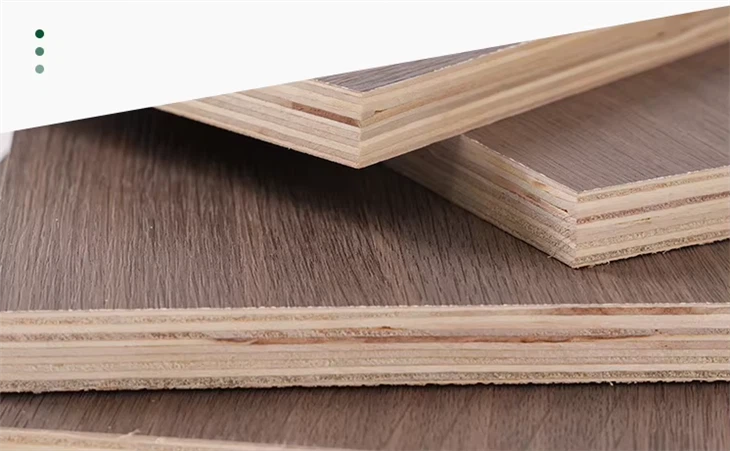
To address these issues, some manufacturers are now using formaldehyde - free or low - formaldehyde adhesives. At our company, we are constantly exploring and adopting more environmentally friendly adhesive options to reduce the negative impacts of our Sanded Plywood 4x8 products. Our [Aspenite Plywood](/plywood/aspenite - plywood.html) is an example of a product that uses a more sustainable adhesive system, minimizing the release of harmful chemicals.
Transportation
Once the Sanded Plywood 4x8 is produced, it needs to be transported to distributors, retailers, and end - users. Transportation is a significant contributor to environmental degradation. Most plywood is transported by trucks, which run on diesel fuel. Diesel engines emit large amounts of particulate matter, nitrogen oxides, and carbon monoxide, all of which are harmful to air quality.
Long - distance transportation also means higher fuel consumption and more greenhouse gas emissions. To mitigate these impacts, we are working on optimizing our transportation routes and exploring alternative transportation methods. For example, we are considering using more rail transport, which is generally more energy - efficient than trucks for long - distance hauls.
End - of - Life
The end - of - life stage of Sanded Plywood 4x8 also has environmental implications.
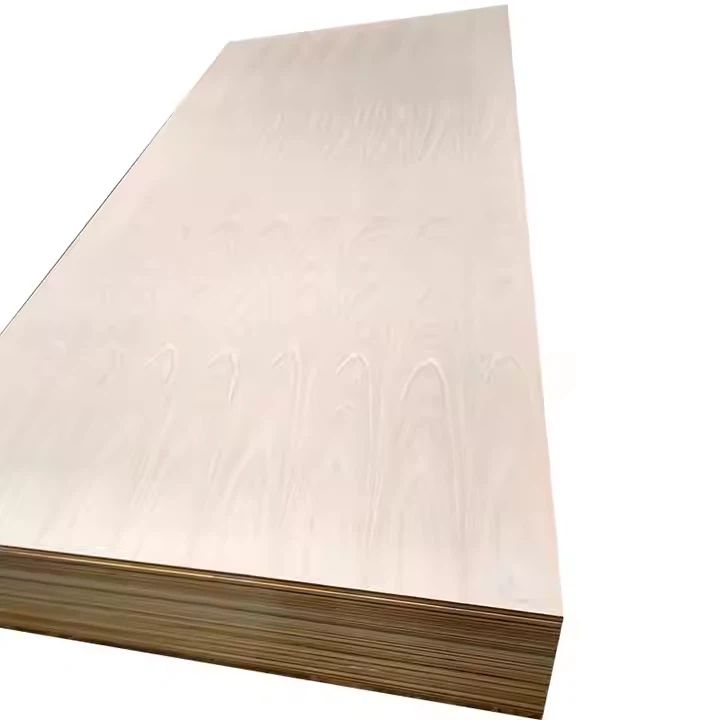
Landfill Disposal: A large portion of plywood waste ends up in landfills. Plywood is a bulky material, and when it decomposes in landfills, it can release methane, a potent greenhouse gas. Methane is much more effective at trapping heat in the atmosphere than carbon dioxide, contributing to global warming.
Recycling and Reuse: On the other hand, plywood can be recycled or reused. Recycling plywood involves breaking it down into its component parts, such as wood fibers and adhesives, and using them to make new products. Reusing plywood in other projects, such as building furniture or small structures, can also extend its lifespan and reduce the demand for new materials. We encourage our customers to consider recycling or reusing our [Red Construction Plywood](/plywood/red - construction - plywood.html) and other products at the end of their useful life.
Mitigating the Environmental Impacts
As a supplier, I'm aware of the environmental challenges associated with Sanded Plywood 4x8, and I'm committed to taking steps to reduce these impacts.
- Sustainable Sourcing: As mentioned earlier, we source wood from sustainably managed forests. This not only helps protect the environment but also ensures a long - term supply of high - quality wood.
- Green Manufacturing: We are investing in research and development to find more energy - efficient production methods and environmentally friendly adhesives. By reducing our energy consumption and emissions during production, we can minimize our carbon footprint.
- Education and Awareness: We also strive to educate our customers about the environmental impacts of plywood and how they can make more sustainable choices. This includes providing information on recycling and reuse options.
Conclusion
Sanded Plywood 4x8 has both positive and negative environmental impacts. While its production and use can lead to deforestation, pollution, and waste generation, there are also many ways to mitigate these effects. As a supplier, I'm dedicated to promoting sustainable practices throughout the supply chain.
If you're interested in purchasing high - quality Sanded Plywood 4x8 that is produced with environmental responsibility in mind, I encourage you to contact us for a procurement discussion. We can provide you with detailed information about our products, including their environmental features, and work with you to meet your specific needs.
References
- Forest Stewardship Council. (n.d.). Principles and Criteria of Forest Stewardship. Retrieved from [FSC official website]
- Environmental Protection Agency. (n.d.). Air Pollution from Motor Vehicles. Retrieved from [EPA official website]
- United Nations Framework Convention on Climate Change. (n.d.). Greenhouse Gas Emissions. Retrieved from [UNFCCC official website]