

Hey there! As a supplier of Pine LVL Beams, I often get asked about the weight limitations of these bad boys. So, I thought I'd sit down and write a blog post to share everything I know about it.
First off, let's quickly go over what Pine LVL Beams are. LVL stands for Laminated Veneer Lumber. Pine LVL Beams are made by bonding multiple layers of thin pine veneers together with adhesives under high pressure. This process creates a strong, stable, and dimensionally consistent product that's great for a variety of construction applications.
Now, onto the main question - what are the weight limitations of a Pine LVL Beam? Well, it's not a one - size - fits - all answer. There are several factors that can affect the weight - bearing capacity of a Pine LVL Beam.
Factors Affecting Weight Limitations
1. Beam Size
The size of the Pine LVL Beam plays a huge role in determining its weight capacity. Generally, the larger the cross - sectional area of the beam, the more weight it can support. For example, a wider and deeper beam will have a higher load - bearing capacity than a narrower and shallower one. If you're working on a project that requires a high - weight capacity, you'll probably want to go for a larger beam.
2. Span Length
The span length is the distance between the supports of the beam. The longer the span, the more the beam will deflect under load, and the lower its weight - bearing capacity will be. So, if you have a long span, you might need to use a larger or stronger Pine LVL Beam to support the weight.
3. Grade of the Pine
The grade of the pine used in the LVL Beam also matters. Higher - grade pine has fewer knots and other defects, which means the beam will be stronger and able to support more weight. When you're choosing a Pine LVL Beam, make sure to consider the grade of the wood to ensure it meets your project's requirements.
4. Loading Conditions
The type of load the beam will be subjected to is another important factor. There are two main types of loads: dead loads and live loads. Dead loads are the permanent weights of the structure itself, such as the weight of the beam, the roof, and the walls. Live loads are the temporary weights, like people, furniture, and snow. A beam that's designed to support a large live load will need to be stronger than one that only has to deal with dead loads.

How to Determine the Weight Limitations
To figure out the weight limitations of a Pine LVL Beam for your specific project, you can refer to engineering tables and design guides. These resources provide detailed information on the load - bearing capacities of different sizes and grades of Pine LVL Beams under various span lengths and loading conditions.
If you're not an engineer or don't feel confident doing the calculations yourself, it's always a good idea to consult with a professional. An engineer can analyze your project's requirements and recommend the right Pine LVL Beam for the job.
Comparing Pine LVL Beams with Other Timber Products
Let's take a quick look at how Pine LVL Beams stack up against some other popular timber products.
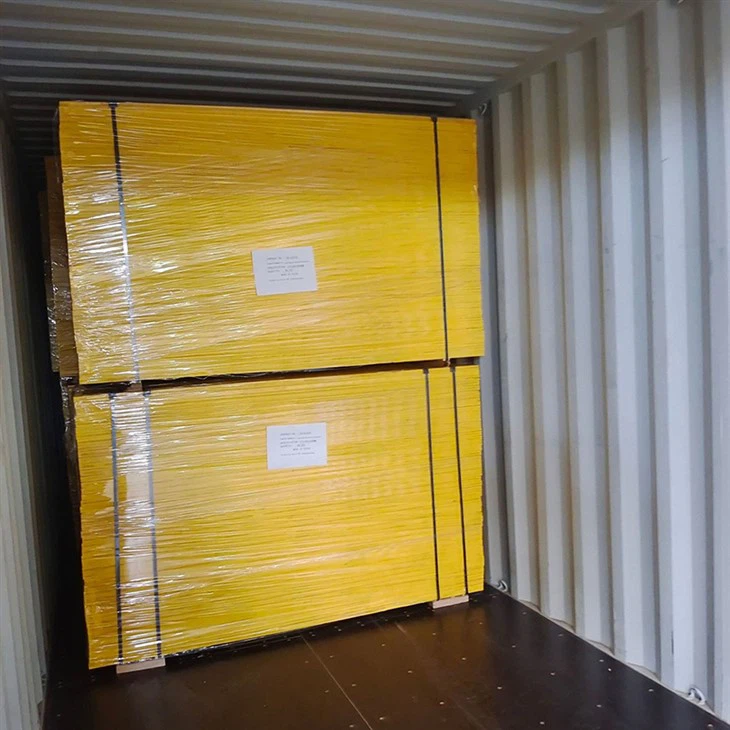
3 Ply Yellow Shuttering Panel
The [3 Ply Yellow Shuttering Panel](/timber/3 - ply - yellow - shuttering - panel.html) is often used in concrete formwork. While it's strong and durable, it's not designed to handle the same kind of heavy, long - term loads as a Pine LVL Beam. Pine LVL Beams are better suited for structural applications where high weight - bearing capacity is required.
H20 Timber Beam
The [H20 Timber Beam](/timber/h20 - timber - beam.html) is another option for construction projects. It's a pre - fabricated, lightweight beam that's easy to install. However, Pine LVL Beams generally have a higher weight - bearing capacity and better dimensional stability. So, if you're dealing with a large - scale project that needs a lot of support, a Pine LVL Beam might be the better choice.
Applications of Pine LVL Beams
Pine LVL Beams are incredibly versatile and can be used in a wide range of applications. Here are some common uses:
Residential Construction
In homes, Pine LVL Beams can be used for floor joists, roof rafters, and headers. They provide strong support for the structure and help ensure the long - term stability of the building.
Commercial Construction
For commercial buildings, Pine LVL Beams are often used in larger structural applications, such as supporting multi - story floors and large roof spans. Their high weight - bearing capacity makes them ideal for these types of projects.
Bridge Construction
Pine LVL Beams can also be used in bridge construction. They can support the weight of traffic and provide a stable structure over water or other obstacles.
Conclusion
In conclusion, the weight limitations of a Pine LVL Beam depend on several factors, including beam size, span length, grade of the pine, and loading conditions. By understanding these factors and consulting with a professional if needed, you can choose the right Pine LVL Beam for your project.
If you're in the market for high - quality Pine LVL Beams, [Pine LVL Beam](/timber/pine - lvl - beam.html) is the way to go. Our beams are made from top - grade pine and are designed to meet the highest standards of quality and performance. Whether you're working on a small residential project or a large commercial development, we've got the right beam for you.
If you have any questions or want to discuss your project in more detail, don't hesitate to reach out. We're here to help you make the best choice for your construction needs. Let's work together to build something great!
References
- Forest Products Laboratory. Wood Handbook: Wood as an Engineering Material. U.S. Department of Agriculture, Forest Service.
- American Wood Council. National Design Specification for Wood Construction.