

Hey there! As a supplier of 6mm Melamine MDF, I often get asked about the difference between 6mm Melamine MDF and regular MDF. So, I thought I'd take a few minutes to break it down for you.
Let's start with the basics. MDF, or Medium - Density Fiberboard, is a popular engineered wood product. It's made by breaking down hardwood or softwood residuals into wood fibers, combining them with wax and a resin binder, and then applying high temperature and pressure to form panels. Regular MDF has been around for a while and is known for its smooth surface, uniform density, and affordability. It's a great choice for a wide range of applications, like cabinetry, shelving, and interior trim.
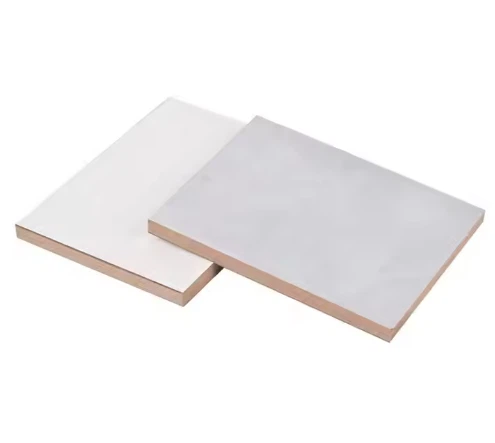
Now, let's talk about 6mm Melamine MDF. The "6mm" refers to the thickness of the board, which is relatively thin compared to some other MDF options. The key difference, though, is the melamine coating. Melamine is a hard resin that's applied to the surface of the MDF. This coating gives the board a number of advantages.
First off, melamine provides a durable and scratch - resistant surface. If you've ever had regular MDF in a high - traffic area, you know that it can get easily scratched or marked. With 6mm Melamine MDF, that's less of a concern. Whether it's in a busy kitchen cabinet or a kid's playroom, the melamine coating can withstand a fair amount of wear and tear.
Another big plus is the aesthetic appeal. Melamine comes in a wide variety of colors and patterns. You can find options that mimic the look of natural wood, stone, or even have a sleek, modern solid color. This means you can achieve the style you want without the high cost of real wood or stone. For example, our Gloss White Fully Edged Chipboard is a popular choice for those looking for a clean, contemporary look.
In terms of moisture resistance, 6mm Melamine MDF also has an edge over regular MDF. While regular MDF can absorb moisture and swell if it gets wet, the melamine coating acts as a barrier. It won't make the board completely waterproof, but it does provide some protection, making it suitable for areas with a bit more humidity, like bathrooms or laundry rooms.
Now, let's look at some of the practical differences in applications. Regular MDF is often used as a base material that gets painted or covered with other finishes. For instance, if you're building a custom bookshelf and plan to paint it to match your room's decor, regular MDF might be a good option. You can sand it down to a smooth finish and apply paint easily.
On the other hand, 6mm Melamine MDF is ready to use right out of the box in many cases. If you're looking to build a small storage unit for your garage or a display shelf for a retail store, the pre - finished melamine surface saves you time and effort. You don't have to worry about painting or applying a separate finish. Just cut the boards to size and assemble your project. Our White Laminate Shelving Boards are perfect for this kind of quick - build project.

Cost is also a factor to consider. Generally, 6mm Melamine MDF is a bit more expensive than regular MDF. The cost of the melamine coating and the finishing process adds to the price. However, when you factor in the time and money you might save on finishing regular MDF, the price difference might not be as significant as it seems at first.
Let's talk about installation. Both regular MDF and 6mm Melamine MDF are relatively easy to work with. They can be cut, drilled, and nailed just like natural wood. However, when working with 6mm Melamine MDF, you need to be a bit more careful not to chip the melamine coating. Using sharp tools and making clean cuts will help prevent this.
When it comes to environmental impact, both types of boards have their pros and cons. Regular MDF is made from wood residuals, which is a good use of waste material. However, the resin binders used in its production can sometimes contain formaldehyde, which is a concern for some people. Many manufacturers now produce low - or no - formaldehyde MDF to address this issue.
6mm Melamine MDF also has its environmental aspects. The melamine coating itself is a chemical product, but some manufacturers are working on more sustainable melamine options. Additionally, because it's more durable and has a longer lifespan, it might reduce the need for frequent replacements, which is better for the environment in the long run.
If you're in the market for a thinner board for a project, the 6mm thickness of our melamine MDF is a great option. It's thin enough to be used in applications where space is limited, like in built - in desks or small cabinets. And with the wide range of colors and patterns available, you can really customize your project. Check out our 12 Melamine Sheets for some great options.
In conclusion, the main differences between 6mm Melamine MDF and regular MDF come down to durability, appearance, moisture resistance, and cost. Regular MDF is a versatile and affordable base material, while 6mm Melamine MDF offers a more finished, durable, and aesthetically pleasing option.
If you're thinking about starting a project and are unsure which type of board is right for you, or if you have any questions about our 6mm Melamine MDF products, don't hesitate to reach out. We're here to help you make the best choice for your needs. Whether it's a small DIY project or a large - scale commercial build, we can provide the right materials and advice. Let's get your project off to a great start!
References:
- General knowledge about MDF and melamine products from industry experience.
- Product research and understanding of market trends in engineered wood products.