

Hey there! As a supplier of Aspenite Plywood, I often get asked about its fire rating. So, I thought I'd take a few minutes to break it down for you.
First things first, let's talk about what a fire rating actually means. A fire rating is a measure of how well a material can resist the spread of fire. It's usually determined through standardized tests that simulate real - world fire conditions. These ratings help architects, builders, and safety inspectors make informed decisions about which materials to use in different construction projects, especially in areas where fire safety is a top priority.
Now, Aspenite Plywood is a type of plywood that's known for its quality and versatility. But what about its fire rating? Well, the fire rating of Aspenite Plywood can vary depending on a few factors.
One of the main factors is the type of treatment it undergoes. Some Aspenite Plywood products are treated with fire - retardant chemicals. These chemicals work by either preventing the wood from catching fire in the first place or by slowing down the rate at which the fire spreads. When plywood is treated with these chemicals, it can achieve a higher fire rating. For example, it might be classified as a Class A fire - rated material. Class A materials have a very low flame spread index, which means they're highly resistant to the spread of fire.
On the other hand, untreated Aspenite Plywood has a lower fire rating. Wood, in general, is a combustible material, and untreated plywood will burn when exposed to fire. However, the way it burns can still be somewhat predictable. It usually starts to char and smolder before bursting into flames. The fire rating for untreated Aspenite Plywood might fall into a lower class, like Class C, which indicates a higher flame spread compared to Class A materials.
Another factor that affects the fire rating is the thickness of the plywood. Thicker plywood generally takes longer to burn through compared to thinner sheets. This is because there's more material to consume, and the heat has to penetrate deeper into the wood. So, if you're looking for better fire - resistant properties, choosing a thicker Aspenite Plywood might be a good idea.
Let's compare Aspenite Plywood with some other types of plywood in terms of fire rating. For instance, Bamboo Plywood 4x8 is another popular option. Bamboo is a fast - growing and sustainable material. Some bamboo plywood products are also treated with fire - retardant chemicals, and they can have similar fire ratings to treated Aspenite Plywood. However, untreated bamboo plywood may burn faster than untreated Aspenite Plywood because bamboo has a different cellular structure.
Then there's White Laminated Plywood. The lamination on this type of plywood can have an impact on its fire rating. The laminate might act as a barrier, slowing down the spread of fire to some extent. But again, the overall fire rating depends on whether it's treated or not.
So, why is the fire rating of Aspenite Plywood important? Well, in commercial and residential construction, fire safety codes often require the use of materials with specific fire ratings. For example, in public buildings like schools, hospitals, and offices, higher - rated fire - resistant materials are mandatory. Using Aspenite Plywood with an appropriate fire rating can help ensure that a building meets these safety standards.
In addition, fire - rated plywood can provide valuable time in the event of a fire. It can slow down the spread of flames, giving people more time to evacuate a building safely. This can potentially save lives and reduce property damage.
If you're in the market for Aspenite Plywood and fire safety is a concern for you, here are a few tips. First, make sure to ask your supplier about the fire rating of the specific product you're interested in. They should be able to provide you with detailed information about whether it's treated or untreated and what class it falls into.
Second, consider your project's requirements. If you're building in an area with strict fire codes, you'll need to choose a higher - rated Aspenite Plywood. But if the fire risk is relatively low, an untreated or lower - rated product might be sufficient.
Lastly, don't forget to follow all the installation and maintenance guidelines. Proper installation can ensure that the plywood performs as expected in terms of fire resistance. And regular maintenance can help keep the plywood in good condition, which is also important for its fire - resistant properties.
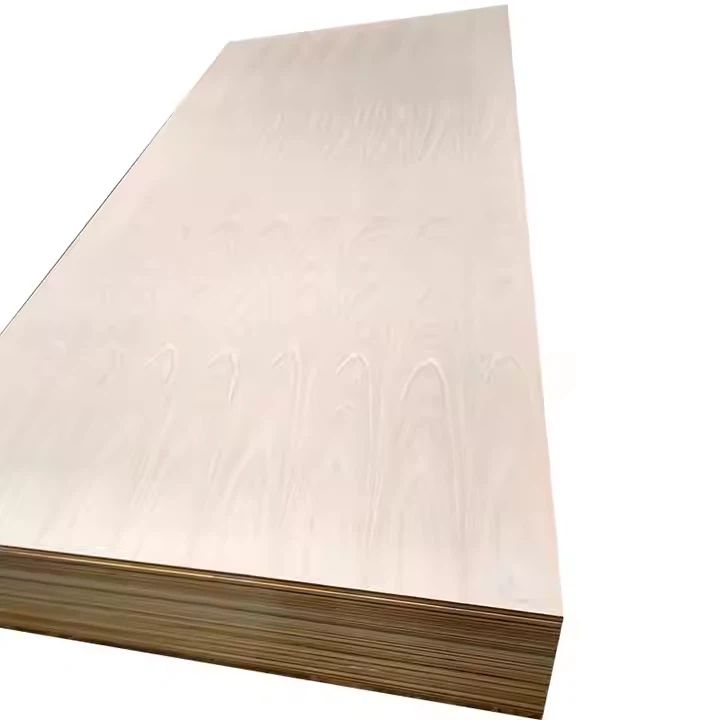
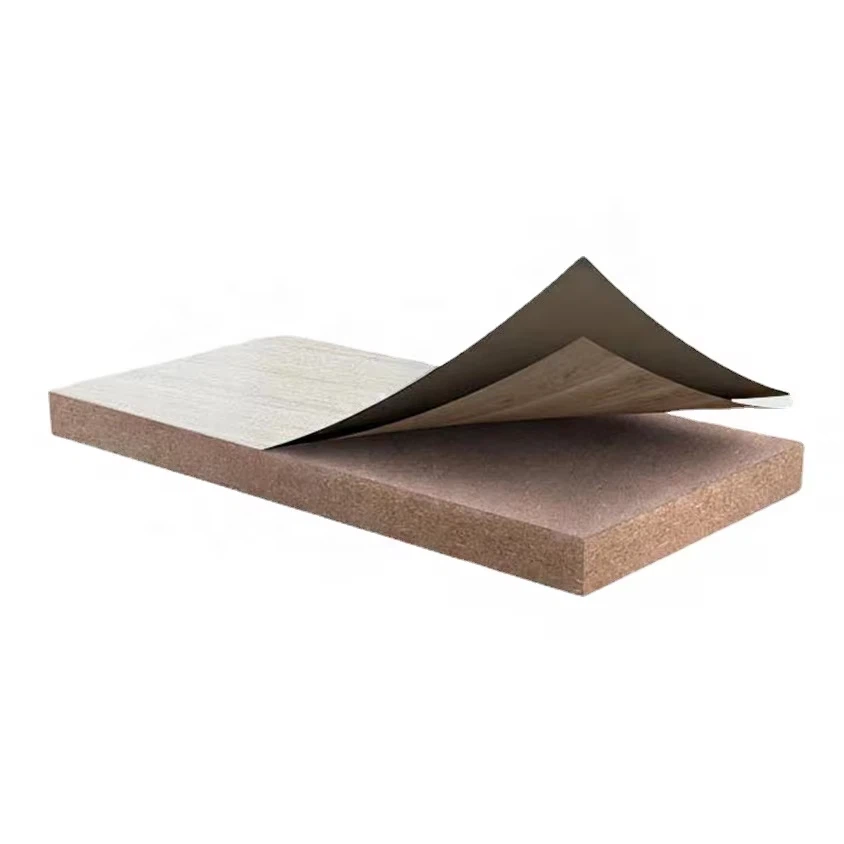
As a supplier of Aspenite Plywood, I'm here to help you make the right choice. Whether you need a high - fire - rated product for a large commercial project or something more basic for a small home improvement job, I can provide you with the information and options you need.
If you're interested in learning more about Aspenite Plywood or have any questions about its fire rating, feel free to reach out. We can discuss your specific needs and find the best solution for you. Whether it's for a new construction, a renovation, or a DIY project, we've got you covered.
References
- Fire - Resistance Testing Standards, National Fire Protection Association
- Plywood Handbook, Forest Products Laboratory