

As a supplier of Black Film Plywood, I often get asked about the heat resistance of this product. In this blog post, I'll delve into the details of what makes black film plywood heat-resistant, its applications, and how it compares to other types of plywood in terms of heat resistance.
Understanding Black Film Plywood
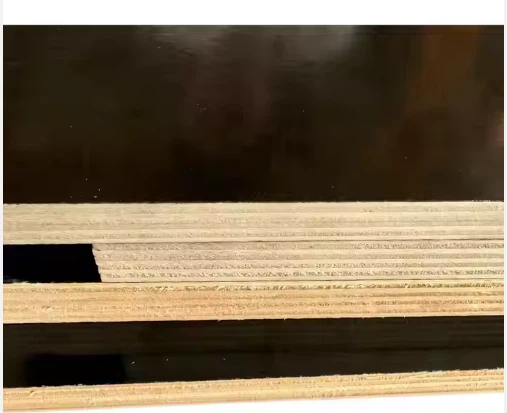
Black Film Plywood is a type of plywood that is coated with a black film on one or both sides. This film not only gives the plywood an aesthetically pleasing appearance but also provides additional protection and functionality. The film is typically made from a synthetic material that is designed to be durable and resistant to various environmental factors, including heat.
What Determines the Heat Resistance of Black Film Plywood?
The heat resistance of black film plywood is determined by several factors, including the type of film used, the quality of the plywood core, and the manufacturing process.
The Type of Film
The film used on black film plywood plays a crucial role in its heat resistance. High - quality films are often made from materials such as phenolic resin. Phenolic resin has excellent heat - resistant properties. It can withstand relatively high temperatures without significant deformation or degradation. When exposed to heat, the phenolic resin film forms a protective char layer on the surface of the plywood, which helps to insulate the core and prevent further damage.
The Quality of the Plywood Core
The plywood core also affects the heat resistance of the black film plywood. Plywood is made by gluing together multiple layers of wood veneers. The type of wood used, the quality of the glue, and the construction of the layers all contribute to the overall heat resistance. For example, hardwood veneers generally have better heat - resistant properties than softwood veneers. Additionally, high - quality glue that can withstand heat is essential for maintaining the integrity of the plywood structure when exposed to elevated temperatures.
The Manufacturing Process
The manufacturing process of black film plywood can also impact its heat resistance. Proper lamination of the film to the plywood core is crucial. If the film is not properly bonded, it may delaminate when exposed to heat, reducing the heat - resistant performance of the plywood. Advanced manufacturing techniques ensure a strong and uniform bond between the film and the core, enhancing the overall heat resistance of the product.
Heat Resistance Ratings
The heat resistance of black film plywood is often measured in terms of its ability to withstand a certain temperature for a specific period without significant damage. Most high - quality black film plywood can withstand temperatures of up to 150 - 200 degrees Celsius (302 - 392 degrees Fahrenheit) for short periods. However, continuous exposure to high temperatures will gradually degrade the plywood, so it is important to use it within its recommended temperature limits.
Applications of Heat - Resistant Black Film Plywood
The heat - resistant properties of black film plywood make it suitable for a variety of applications, especially in environments where there is a risk of exposure to heat.
Construction Industry
In the construction industry, black film plywood can be used in areas where there is a need for fire - resistant or heat - resistant materials. For example, it can be used as formwork for concrete pouring in high - temperature environments. The heat resistance of the plywood ensures that it can withstand the heat generated during the curing process of the concrete without warping or losing its structural integrity.
Furniture Manufacturing
In furniture manufacturing, black film plywood can be used for parts that may be exposed to heat sources, such as near stoves or heaters. Its heat - resistant properties help to prevent damage to the furniture and ensure its longevity.

Industrial Applications
In industrial settings, black film plywood can be used in machinery enclosures or as insulation panels. It can protect the internal components of the machinery from heat and also help to reduce heat transfer to the surrounding environment.
Comparison with Other Types of Plywood
When comparing black film plywood with other types of plywood in terms of heat resistance, it is important to consider different types of coated plywood.
Film Coated Plywood
Film Coated Plywood is a general term for plywood with a film coating. While black film plywood is a type of film - coated plywood, the heat resistance can vary depending on the type of film. Some film - coated plywood may use less heat - resistant films, so their heat - resistant performance may be lower than that of high - quality black film plywood.
Brown Faced Plywood
Brown Faced Plywood is similar to black film plywood in terms of its construction, but the color of the film is different. The heat resistance of brown faced plywood also depends on the film and core materials. In general, if both are made with high - quality materials, their heat - resistant properties may be comparable.
Phenolic Faced Plywood
Phenolic Faced Plywood is well - known for its excellent heat resistance. Since many high - quality black film plywoods also use phenolic resin film, their heat - resistant performance can be quite similar. However, the specific heat resistance may still vary depending on the manufacturing process and the quality of the materials used.
Factors Affecting the Long - Term Heat Resistance
Several factors can affect the long - term heat resistance of black film plywood. Humidity is one such factor. High humidity can weaken the glue bonds in the plywood core and the bond between the film and the core, reducing the overall heat resistance. Additionally, repeated exposure to high temperatures followed by rapid cooling can cause thermal stress in the plywood, leading to cracking and delamination over time.
Tips for Maximizing Heat Resistance
To maximize the heat resistance of black film plywood, it is important to store it properly. Keep it in a dry and cool environment to prevent moisture absorption. When using it, avoid exposing it to temperatures beyond its recommended limits. If possible, provide additional insulation or cooling measures in high - temperature applications.
Conclusion
In conclusion, the heat resistance of black film plywood is a result of the combination of the type of film, the quality of the plywood core, and the manufacturing process. It offers good heat - resistant performance, making it suitable for a wide range of applications in construction, furniture manufacturing, and industrial settings. When compared to other types of plywood, it can hold its own in terms of heat resistance, especially when high - quality materials are used.
If you are interested in purchasing high - quality black film plywood for your project, feel free to reach out to discuss your specific requirements. We are committed to providing you with the best products and solutions to meet your needs.
References
- Wood Handbook: Wood as an Engineering Material, Forest Products Laboratory.
- ASTM International Standards for Plywood Testing.
- Industry reports on the performance of film - coated plywood.