

Hey there! As a plywood supplier, I often get asked about the moisture resistance of plywood. It's a crucial factor, especially when you're using plywood in different environments. So, let's dive right into it and figure out what makes plywood more or less resistant to moisture.
First off, what exactly is moisture resistance in plywood? Well, it's all about how well the plywood can hold up when it comes into contact with water or high humidity. You see, plywood is made by gluing together thin layers of wood veneer. The way these layers are bonded and the type of glue used play a huge role in its moisture resistance.
There are different grades of plywood, and each has a different level of moisture resistance. For instance, exterior-grade plywood is designed to be more resistant to moisture compared to interior-grade plywood. Exterior-grade plywood uses a waterproof glue, which helps it withstand the elements better. This makes it a great choice for outdoor projects like building sheds, decks, or even for use in areas that are prone to high humidity, like bathrooms or kitchens.
On the other hand, interior-grade plywood is not as moisture-resistant. It's typically used for indoor applications such as making cabinets, shelves, or wall paneling. The glue used in interior-grade plywood is not waterproof, so it can start to break down if it gets wet for an extended period.
Now, let's talk about some of the factors that affect the moisture resistance of plywood. The type of wood used is one of them. Some woods are naturally more resistant to moisture than others. For example, tropical hardwoods like teak and mahogany have natural oils that make them more water-resistant. When these woods are used in plywood, they can enhance its moisture resistance.
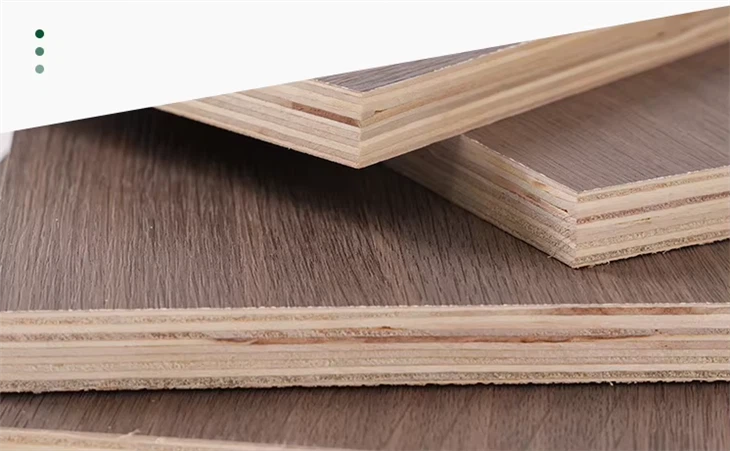
The thickness of the plywood also matters. Thicker plywood generally has better moisture resistance because it has more layers of veneer. These additional layers provide more protection against water penetration. However, it's important to note that thickness alone doesn't guarantee high moisture resistance. The quality of the glue and the manufacturing process are still crucial.
Another factor is the finish applied to the plywood. A good finish can act as a barrier between the plywood and moisture. There are various types of finishes available, such as paint, varnish, and sealants. Applying a waterproof finish can significantly improve the moisture resistance of plywood, especially if it's going to be used in a wet environment.
Let's take a look at some of the plywood products we offer and their moisture resistance. Our Red Construction Plywood is an exterior-grade plywood. It's made with a high-quality waterproof glue, which gives it excellent moisture resistance. This plywood is perfect for construction projects where it will be exposed to the elements. Whether you're building a new house or renovating an old one, this plywood can withstand rain, snow, and high humidity.
Our Sanded Plywood 4x8 is available in both interior and exterior grades. The exterior grade of this plywood is treated to be more moisture-resistant, making it suitable for outdoor applications. The sanded surface gives it a smooth finish, which not only looks great but also makes it easier to apply a finish. If you're looking for a versatile plywood that can be used both indoors and outdoors, this is a great option.
Then we have our 14mm Oak Plywood. Oak is a hardwood that is known for its durability and natural resistance to moisture. This plywood is thick and has multiple layers of oak veneer, which provides good protection against water. It's a popular choice for furniture making and interior design projects where you want a high-quality, moisture-resistant material.
So, how can you test the moisture resistance of plywood? One simple way is to perform a water soak test. Cut a small piece of plywood and soak it in water for a few hours. Then, check for any signs of delamination (separation of the veneer layers), swelling, or warping. If the plywood shows minimal signs of damage, it has good moisture resistance.
It's also important to store plywood properly to maintain its moisture resistance. Keep it in a dry place, away from direct contact with the ground. If possible, cover it with a tarp to protect it from rain and snow.
In conclusion, the moisture resistance of plywood depends on several factors, including the grade, type of wood, thickness, and finish. As a plywood supplier, we offer a range of products with different levels of moisture resistance to meet your specific needs. Whether you're working on an outdoor construction project or an indoor furniture piece, we have the right plywood for you.
If you're interested in purchasing our plywood or have any questions about its moisture resistance, don't hesitate to reach out. We're here to help you make the best choice for your project.
References

- Wood Handbook: Wood as an Engineering Material. Forest Products Laboratory.
- Plywood Manufacturing and Technology. Various industry publications.