

As a supplier of Aspenite Plywood, I've encountered numerous inquiries regarding its nail - holding capacity. This property is crucial for many construction and woodworking applications, as it directly impacts the structural integrity and durability of the final product. In this blog, I'll delve into the factors that influence the nail - holding capacity of Aspenite Plywood and provide insights based on industry knowledge and experience.
Understanding Nail - Holding Capacity
Nail - holding capacity refers to the ability of a material to hold nails firmly in place. It is typically measured in terms of the force required to pull a nail out of the material. For plywood, this property is influenced by several factors, including the wood species, the manufacturing process, and the thickness of the plywood.
Aspenite Plywood is made from aspen wood, which is known for its relatively soft texture compared to some other hardwoods. Softwoods generally have different nail - holding characteristics than hardwoods. While hardwoods may offer greater initial resistance to nail penetration, softwoods like aspen can still provide sufficient nail - holding power under the right conditions.
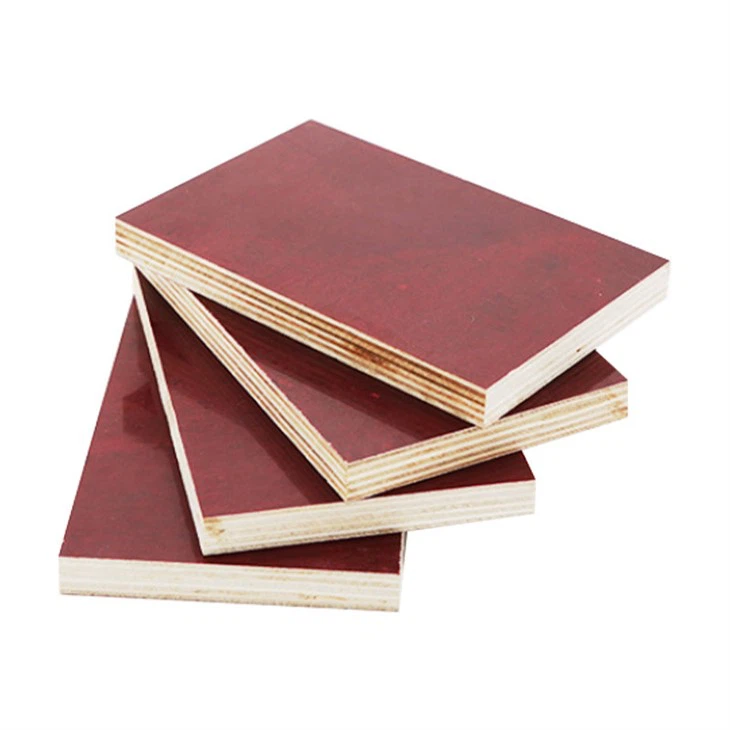

Factors Affecting Nail - Holding Capacity of Aspenite Plywood
Wood Density
The density of the aspen wood used in Aspenite Plywood plays a significant role in its nail - holding capacity. Higher - density wood generally has better nail - holding ability because there are more wood fibers to grip the nail. During the growth of aspen trees, factors such as soil quality, climate, and tree age can affect the density of the wood. Younger aspen trees may produce wood with lower density, while older trees tend to have denser wood. Our manufacturing process carefully selects aspen wood to ensure a consistent density range in our Aspenite Plywood, which helps maintain a reliable nail - holding capacity.
Plywood Thickness
Thicker plywood generally has better nail - holding capacity. As the nail penetrates deeper into the plywood, more wood fibers come into contact with the nail, providing additional grip. For example, a 3/4 - inch thick Aspenite Plywood will typically hold nails more securely than a 1/4 - inch thick one. When choosing the thickness of Aspenite Plywood for a project, it's important to consider the expected load and the type of nails that will be used.
Manufacturing Process
The manufacturing process of Aspenite Plywood also impacts its nail - holding capacity. The plywood is made by gluing together multiple layers of veneer. The quality of the glue and the pressing process are crucial. A high - quality glue ensures strong bonds between the veneer layers, which can enhance the overall strength and nail - holding ability of the plywood. Our state - of - the - art manufacturing facilities use advanced gluing and pressing techniques to ensure that each sheet of Aspenite Plywood meets the highest standards of quality.
Applications and Nail - Holding Requirements
The nail - holding capacity of Aspenite Plywood makes it suitable for a wide range of applications.
Construction
In construction, Aspenite Plywood is often used for subflooring, wall sheathing, and roofing. For subflooring, a good nail - holding capacity is essential to prevent nails from pulling out over time due to the weight of foot traffic and furniture. Wall sheathing requires nails to hold the plywood firmly to the framing, providing structural support. Roofing applications also rely on strong nail - holding to keep the plywood in place against wind and other environmental forces.
Woodworking
In woodworking projects, such as building cabinets or furniture, the nail - holding capacity of Aspenite Plywood ensures that joints and connections remain secure. Whether it's attaching drawer fronts or assembling a bookshelf, nails need to hold firmly to prevent the structure from coming apart.
Comparison with Other Plywood Types
When comparing Aspenite Plywood with other types of plywood, such as Birch Construction Plywood and Red Construction Plywood, there are some differences in nail - holding capacity.
Birch plywood is made from birch wood, which is a hardwood. Hardwoods generally have a higher density and may offer better nail - holding capacity in some cases. However, aspenite plywood has its own advantages. It is often more affordable and easier to work with, especially for DIY projects. The relatively soft nature of aspen wood also means that nails can be driven in more easily without splitting the wood.
Red construction plywood, depending on the wood species used, may have different nail - holding characteristics. Some red - colored woods may be denser and offer stronger nail - holding, while others may be similar to aspenite plywood in terms of performance.
Fire Resistance and Nail - Holding
Another important aspect to consider is the relationship between fire resistance and nail - holding capacity. Plywood can be treated to improve its fire resistance. Plywood Fire Resistance is an important factor in many construction applications, especially in areas where fire safety codes are strict. While fire - resistant treatments can affect the overall properties of the plywood, our Aspenite Plywood is engineered to maintain a good balance between fire resistance and nail - holding capacity. The treatment process is carefully designed to ensure that the wood fibers are not overly compromised, so the nail - holding ability remains reliable.
Testing and Quality Assurance
To ensure the nail - holding capacity of our Aspenite Plywood, we conduct rigorous testing. Our testing procedures involve using specialized equipment to measure the force required to pull nails out of the plywood at different angles and depths. We also test samples from different production batches to ensure consistency in quality. By adhering to strict quality control measures, we can guarantee that our customers receive Aspenite Plywood with reliable nail - holding performance.
Conclusion
The nail - holding capacity of Aspenite Plywood is a complex property influenced by wood density, thickness, manufacturing process, and other factors. It offers a good balance of performance for a variety of construction and woodworking applications. Whether you're a professional contractor or a DIY enthusiast, understanding the nail - holding capacity of Aspenite Plywood can help you make informed decisions for your projects.
If you're interested in learning more about our Aspenite Plywood or have specific requirements for your next project, we invite you to contact us for a detailed discussion. Our team of experts is ready to assist you with product selection and technical advice.
References
- Forest Products Laboratory. "Wood Handbook: Wood as an Engineering Material." USDA, 2010.
- Plywood Manufacturers Association. "Technical Guidelines for Plywood Applications." 2018.