

Hey there! As a supplier of Film Faced Plywood, I'm stoked to chat with you about what quality control of this awesome product really means.
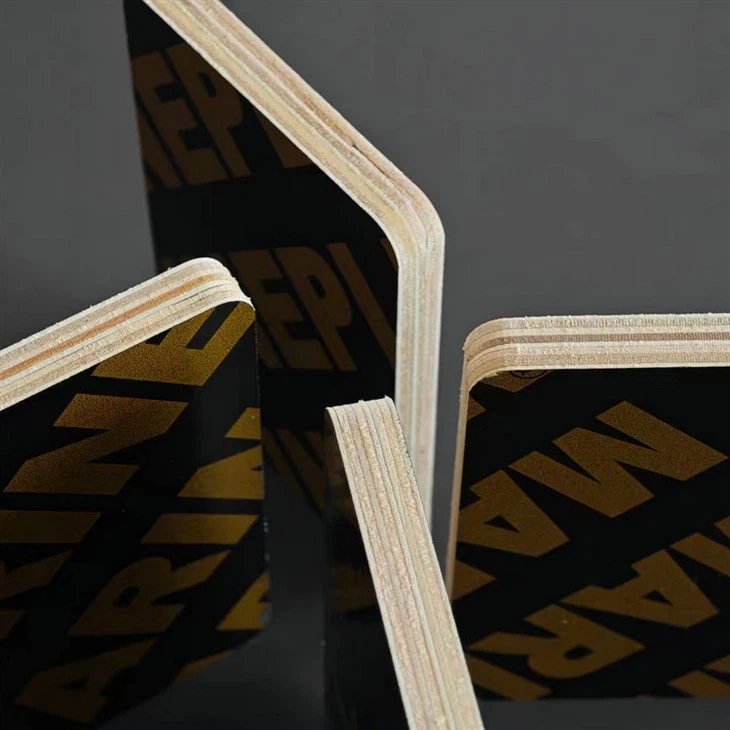
First off, let's understand what film faced plywood is. It's basically plywood that has a special film on its surface. This film gives the plywood some really cool properties, like being super durable, water - resistant, and having a smooth finish. It's widely used in construction, especially for shuttering, where it helps in creating a clean and professional look for concrete structures.
Raw Material Inspection
The quality control process starts right at the source - the raw materials. We carefully select the logs that are going to be turned into plywood. The logs need to be straight, free from major knots, and have a consistent grain pattern. This is because the quality of the logs directly affects the strength and appearance of the final plywood product.
For the film that we use to coat the plywood, we also have strict standards. The film needs to have the right thickness, be resistant to scratches, and adhere well to the plywood surface. We work with trusted suppliers for both the wood and the film to make sure we're getting the best materials possible.
Manufacturing Process Monitoring
Once the raw materials are in our factory, the real action begins. During the manufacturing process, there are several key steps that we closely monitor.
Veneer Preparation
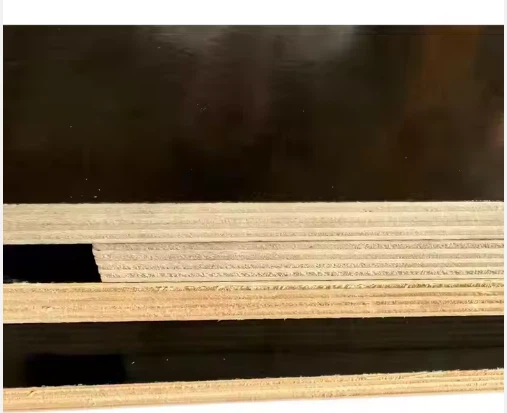
The first step is to turn the logs into veneers. The veneers need to be of uniform thickness. We use high - precision machinery to cut the veneers, and we regularly check the thickness with calipers. Any veneers that don't meet the specified thickness are either re - worked or discarded.
Gluing
Gluing is another critical step. The glue we use has to be of high quality and applied evenly. We use automated glue spreaders to ensure consistent coverage. Too little glue can lead to weak joints between the veneers, while too much glue can cause problems during the pressing process. We also test the glue's bonding strength regularly through small - scale samples.
Pressing
After the veneers are glued together, they go through a pressing process. The pressure and temperature during pressing are carefully controlled. If the pressure is too low, the veneers won't bond properly. If the temperature is too high, it can damage the wood or the glue. We use sensors to monitor these parameters in real - time and make adjustments as needed.
Quality Checks After Production
Once the plywood is produced, it goes through a series of final quality checks.
Visual Inspection
Our workers visually inspect each sheet of film faced plywood. They look for any surface defects, like scratches on the film, uneven coloring, or gaps between the veneers. Any sheets with visible defects are set aside for further evaluation.
Physical Property Testing
We also conduct physical property tests. For example, we test the plywood's bending strength. We place the plywood on a testing machine and apply a load until it bends. This helps us ensure that the plywood can withstand the stresses it will face in real - world applications.
We also test the plywood's water resistance. We submerge samples in water for a certain period and then measure the amount of water absorption. Low water absorption is a sign of good quality, as it means the plywood won't swell or warp easily when exposed to moisture.
Different Types of Film Faced Plywood
There are different types of film faced plywood, and each has its own quality control nuances.
Brown Film Face Plywood
Brown film face plywood is popular in construction due to its natural look. For this type, we pay extra attention to the color consistency of the film. The brown color should be uniform across the entire sheet. We also make sure that the film provides good protection against UV rays, as it might be exposed to sunlight during construction.
Brown Shuttering Plywood
Brown shuttering plywood is specifically used for concrete shuttering. In addition to the general quality control measures, we focus on its ability to withstand the pressure of wet concrete. We test its surface smoothness, as a smooth surface is essential for getting a good finish on the concrete.
Film Coated Plywood
Film coated plywood has a more decorative aspect in addition to its functional properties. We ensure that the film has a high - gloss finish if that's the specification. We also check for any air bubbles or wrinkles in the film, as these can affect the appearance.
Why Quality Control Matters
You might be wondering, why all this fuss about quality control? Well, high - quality film faced plywood offers several benefits.
For construction companies, it means fewer issues on the job site. They won't have to deal with plywood that warps, breaks, or doesn't provide a good surface for the concrete. This can save them time and money in the long run.
For end - users, like building owners, it means a more durable and aesthetically pleasing structure. The plywood will last longer, and the concrete surfaces will have a better finish.
Contact Us for Quality Film Faced Plywood
If you're in the market for top - notch film faced plywood, I'd love to hear from you. Whether you need Brown Film Face Plywood, Brown Shuttering Plywood, or Film Coated Plywood, we've got you covered. Our strict quality control measures ensure that you'll get a product that meets and exceeds your expectations. Don't hesitate to reach out to us to discuss your specific needs and start a procurement process.
References
- Wood Handbook: Wood as an Engineering Material. Forest Products Laboratory.
- Plywood Manufacturing: A Practical Guide. Industry Publication.