

Hey there! I'm a supplier of plywood, and I often get asked about the different sizes plywood comes in. So, I thought I'd write this blog to share all the info I've got on plywood sizes.
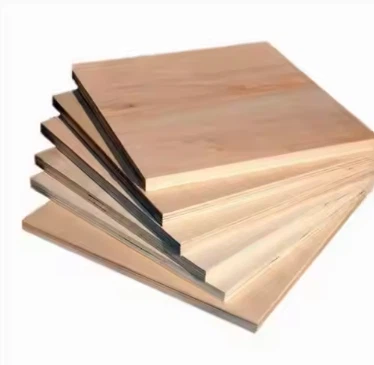
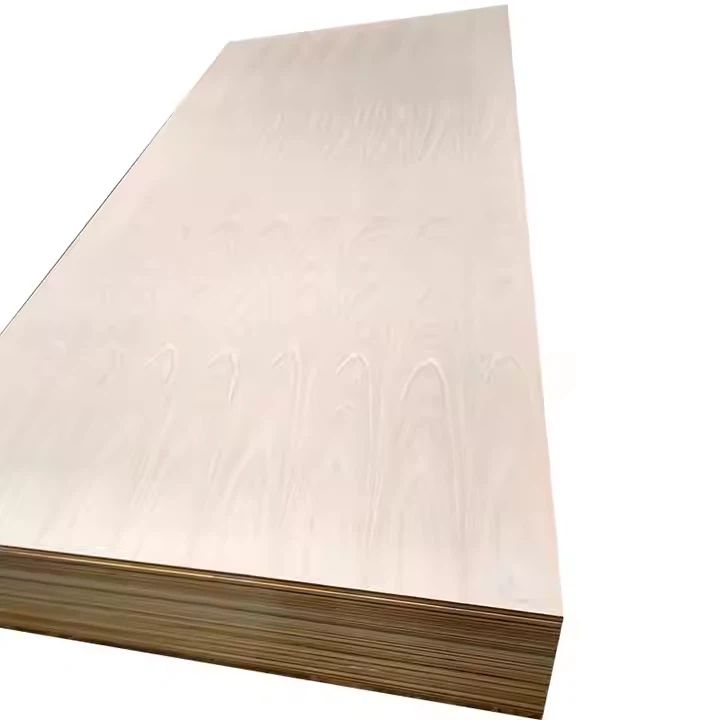
First off, let's talk about the most common sizes you'll come across. Plywood is usually sold in sheets, and the standard size in many places is 4 feet by 8 feet (that's 1220 mm by 2440 mm for those using the metric system). This size is super popular because it's a great balance between being big enough to cover a decent area and still manageable to handle. Whether you're working on a small DIY project at home or a large construction job, 4x8 sheets are likely to be your go - to.
But that's not the only size out there. You can also find plywood in 2 feet by 4 feet (610 mm by 1220 mm) sheets. These smaller sheets are handy for smaller projects, like building a small cabinet or a toy box. They're easier to cut and maneuver, especially if you're working in a tight space.
Now, when it comes to thickness, plywood comes in a wide range. The thinnest plywood you'll typically find is around 1/8 inch (3.2 mm). This thin plywood is great for things like making signs, or for adding a decorative layer to a project. It's lightweight and easy to work with, but it's not very strong on its own.
Moving up in thickness, you've got 1/4 inch (6.4 mm) plywood. This is a bit more sturdy and can be used for things like drawer bottoms, or as a backing for shelves. It's still relatively lightweight, so it's easy to transport and install.
A really common thickness is 3/8 inch (9.5 mm). This plywood is a good all - around choice for many projects. It's strong enough to be used for wall sheathing, or for building simple furniture frames.
Then there's 1/2 inch (12.7 mm) plywood. This is a popular choice for flooring underlayment, cabinet construction, and many other structural applications. It provides a good balance of strength and weight.
For heavier - duty projects, you might want to consider 5/8 inch (15.9 mm) or 3/4 inch (19.1 mm) plywood. These thicker sheets are used for things like subfloors, where they need to support a lot of weight. They're also great for building large furniture pieces or for construction projects where extra strength is required.
If you're looking for even thicker plywood, there are options like 1 inch (25.4 mm) or more. However, these are less common and usually need to be special - ordered.
Now, let's talk about some specialty plywood sizes. For example, if you're in the market for 30mm Waterproof Plywood, this is a great option for outdoor projects or areas where there's a lot of moisture. The extra thickness and waterproof properties make it ideal for things like boat building, or for building outdoor sheds.
Another specialty type is 18 Inch Marine Plywood. Marine plywood is designed to withstand the harsh conditions of being in or around water. It's made with high - quality materials and has excellent resistance to rot and decay. The 18 - inch size might refer to a non - standard width or length, which can be useful for specific marine applications.
And then there's Aspenite Plywood. Aspenite plywood is known for its smooth surface and good strength. It comes in various sizes and thicknesses, and is often used in applications where a nice finish is required, like in interior cabinetry or for making decorative panels.
When you're choosing the right size of plywood for your project, there are a few things to keep in mind. First, think about the load the plywood will need to support. If you're building a floor, you'll need a thicker and stronger plywood than if you're making a simple wall decoration.
Second, consider the size of the project. If you're covering a large area, you might want to use larger sheets to minimize the number of seams. But if you're working in a small space, smaller sheets could be more practical.
Also, think about how you'll be transporting and handling the plywood. Thicker and larger sheets can be heavy and difficult to move around, so make sure you have the right equipment and help if needed.
In conclusion, plywood comes in a wide variety of sizes and thicknesses to suit just about any project. Whether you're a DIY enthusiast or a professional contractor, there's a plywood size out there for you.
If you're interested in purchasing plywood for your next project, I'd love to help. Just reach out, and we can discuss the best sizes and types of plywood for your specific needs. We've got a great selection of plywood, and we can offer you competitive prices and top - notch service.
References
- Plywood Manufacturers' Association Publications
- Woodworking Industry Journals
- Construction Material Handbooks