

Can a Pine LVL Beam be used in a greenhouse construction?
As a supplier of Pine LVL Beams, I often get asked whether these beams are suitable for greenhouse construction. In this blog post, I'll explore the feasibility of using Pine LVL Beams in greenhouse projects, considering factors such as strength, durability, cost, and environmental impact.
Strength and Structural Integrity
One of the primary concerns in greenhouse construction is the ability of the building materials to withstand various environmental forces, including wind, snow, and the weight of the greenhouse covering. Pine LVL (Laminated Veneer Lumber) beams are engineered wood products that offer excellent strength and structural integrity. They are made by bonding multiple layers of thin wood veneers together with adhesives, creating a uniform and consistent material.
The manufacturing process of Pine LVL beams results in a product that has a higher strength-to-weight ratio compared to traditional solid wood beams. This means that Pine LVL beams can support heavy loads while being relatively lightweight, making them an ideal choice for greenhouse structures. Additionally, the laminated construction of Pine LVL beams reduces the risk of warping, twisting, and splitting, ensuring long-term stability and durability.
In greenhouse applications, Pine LVL beams can be used as main support beams, purlins, and rafters. Their strength and stiffness allow them to span longer distances without the need for intermediate supports, providing a clear and unobstructed interior space for plant growth. This is particularly beneficial for large-scale commercial greenhouses where maximizing floor space is essential.
Durability and Resistance to Decay
Another important factor to consider in greenhouse construction is the durability of the building materials. Greenhouses are typically exposed to high humidity, moisture, and fluctuating temperatures, which can cause wood to decay and deteriorate over time. Pine LVL beams are treated with preservatives to enhance their resistance to decay, insects, and fungi.
The preservative treatment process involves impregnating the wood with chemicals that protect it from biological attack. This treatment extends the lifespan of Pine LVL beams, making them suitable for use in harsh greenhouse environments. Additionally, the laminated construction of Pine LVL beams provides an extra layer of protection against moisture penetration, further reducing the risk of decay.
However, it's important to note that the durability of Pine LVL beams also depends on proper installation and maintenance. The beams should be installed in accordance with the manufacturer's recommendations, and any exposed ends or cut surfaces should be sealed with a waterproofing agent. Regular inspections and maintenance, such as cleaning and re-treating the beams as needed, can help ensure their long-term durability.
Cost-Effectiveness
Cost is always a significant consideration in any construction project, including greenhouse construction. Pine LVL beams offer a cost-effective alternative to traditional solid wood beams and other structural materials such as steel and aluminum.
The manufacturing process of Pine LVL beams allows for efficient use of wood resources, resulting in a more cost-effective product. Additionally, the strength and durability of Pine LVL beams mean that they require less maintenance and replacement over their lifespan, reducing long-term costs.
Compared to steel and aluminum, Pine LVL beams are also more affordable in terms of initial material costs. They are lighter in weight, which can reduce transportation costs and make installation easier and more cost-effective. Overall, Pine LVL beams provide a cost-effective solution for greenhouse construction without compromising on quality or performance.
Environmental Impact
In today's environmentally conscious world, many greenhouse owners are looking for sustainable building materials that have a minimal impact on the environment. Pine LVL beams are a renewable and sustainable building material that offers several environmental benefits.
Pine is a fast-growing tree species that can be harvested and replanted in a relatively short period of time. This makes Pine LVL beams a renewable resource that helps to reduce the demand for old-growth forests. Additionally, the manufacturing process of Pine LVL beams uses less energy and produces fewer greenhouse gas emissions compared to the production of steel and aluminum.
Furthermore, Pine LVL beams are recyclable at the end of their lifespan, reducing waste and contributing to a circular economy. By choosing Pine LVL beams for greenhouse construction, you can make a positive environmental impact while still achieving a high-quality and durable structure.
Considerations and Limitations
While Pine LVL beams offer many advantages for greenhouse construction, there are also some considerations and limitations to keep in mind.
One consideration is the availability of Pine LVL beams in your area. Depending on your location, it may be necessary to source the beams from a supplier that can deliver them to your site. Additionally, the cost of transportation can add to the overall project cost, so it's important to factor this into your budget.
Another limitation is the potential for moisture damage if the beams are not properly installed or maintained. As mentioned earlier, Pine LVL beams should be installed in accordance with the manufacturer's recommendations and protected from moisture. If the beams are exposed to excessive moisture, they may swell, warp, or develop mold and mildew.
Finally, it's important to ensure that the Pine LVL beams you choose are suitable for the specific requirements of your greenhouse project. This includes considering factors such as the size and span of the beams, the load they will need to support, and the local building codes and regulations.

Conclusion
In conclusion, Pine LVL beams can be a viable option for greenhouse construction. They offer excellent strength, durability, cost-effectiveness, and environmental benefits. However, it's important to carefully consider the specific requirements of your project and ensure that the beams are properly installed and maintained.
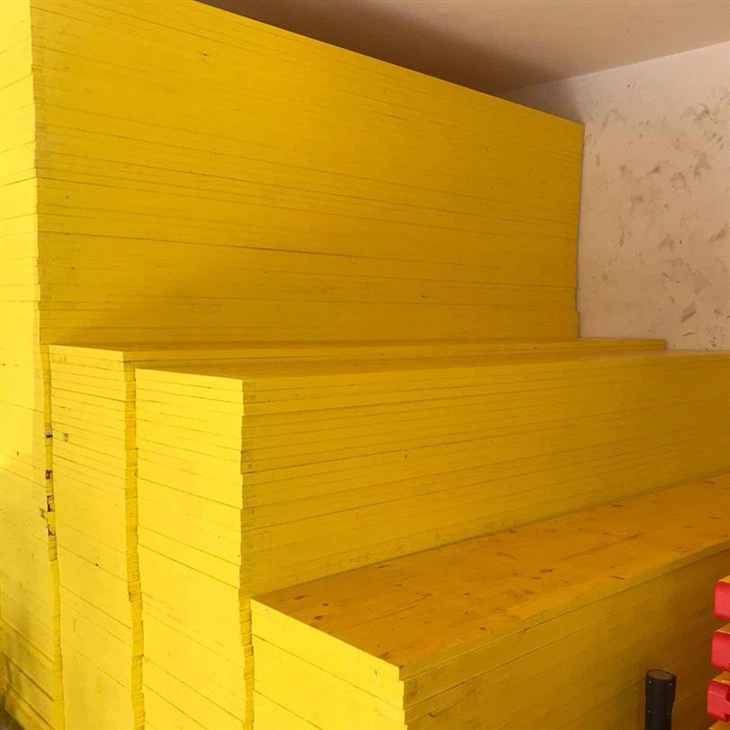
If you're interested in using Pine LVL beams for your greenhouse construction project, I encourage you to explore our Pine LVL Beam product. We also offer other high-quality timber products such as 3 Ply Yellow Shuttering Panel and H20 Timber Beam that may be suitable for your needs.
If you have any questions or would like to discuss your project in more detail, please don't hesitate to contact us. We're here to help you make the right choice for your greenhouse construction.
References
- Forest Products Laboratory. (2010). Wood Handbook: Wood as an Engineering Material. Madison, WI: U.S. Department of Agriculture, Forest Service.
- American Wood Council. (2018). National Design Specification for Wood Construction. Leesburg, VA: American Wood Council.
- Simpson Strong-Tie. (2021). Design Values for Wood Construction. Pleasanton, CA: Simpson Strong-Tie.