

As a supplier of Pine Film Faced Plywood, I often get asked whether this type of plywood can be used in wet areas. It's a valid concern, as moisture can significantly affect the durability and performance of building materials. In this blog post, I'll delve into the characteristics of Pine Film Faced Plywood and explore its suitability for wet - area applications.
Understanding Pine Film Faced Plywood
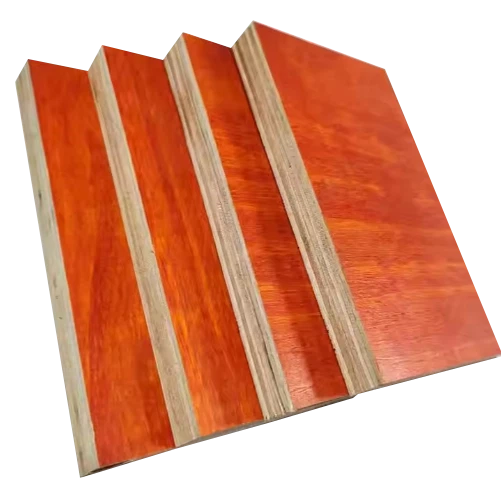
Pine Film Faced Plywood is a type of engineered wood product. It consists of multiple layers of pine veneers glued together under high pressure and temperature. What sets it apart is the film coating on its surface. This film is usually made of phenolic resin or other similar materials, which provides a smooth, hard, and water - resistant outer layer.
The pine core offers good strength and stability. Pine is a softwood that is relatively light in weight but still has sufficient load - bearing capacity for many construction purposes. The film coating not only enhances the plywood's water resistance but also makes it easy to clean and gives it a more aesthetically pleasing appearance.
The Water - Resistance of Pine Film Faced Plywood
The film coating on Pine Film Faced Plywood plays a crucial role in its water - resistance. The phenolic resin film forms a barrier that prevents water from seeping into the plywood core. When properly manufactured and installed, this type of plywood can withstand a certain degree of moisture exposure without immediate damage.
However, it's important to note that the water - resistance of Pine Film Faced Plywood is not absolute. Prolonged and continuous exposure to water can eventually lead to problems. Over time, water may penetrate through small cracks or gaps in the film coating, especially if the plywood has been damaged during handling or installation. Once water reaches the pine core, it can cause the wood to swell, warp, and lose its structural integrity.
Applications in Wet Areas
Temporary or Semi - Wet Areas
Pine Film Faced Plywood can be a suitable choice for temporary or semi - wet areas. For example, in construction sites where formwork is required for concrete pouring, the plywood can be used to create the molds. During the concrete curing process, the plywood is exposed to some moisture from the wet concrete. The film coating helps protect the plywood from the water in the concrete, allowing it to be reused multiple times.
In addition, it can be used in some outdoor structures that are not constantly exposed to water, such as sheds or carports. As long as there is proper drainage and the plywood is not in direct contact with standing water, it can maintain its performance for a reasonable period.
High - Humidity and Constantly Wet Areas
On the other hand, using Pine Film Faced Plywood in high - humidity and constantly wet areas is more challenging. In areas like bathrooms, kitchens, or swimming pool surrounds, where there is a high level of moisture and frequent water splashes, the plywood may not be the best option. Even with the film coating, the long - term exposure to water vapor and liquid water can cause the film to delaminate from the core, and the wood to rot.
If one still wants to use Pine Film Faced Plywood in such areas, additional protective measures must be taken. For example, applying a waterproof paint or sealant on top of the film coating can further enhance its water - resistance. However, this will add to the cost and maintenance requirements.
Comparing with Other Plywood Types
Film Coated Plywood
Film Coated Plywood is a broader category that includes Pine Film Faced Plywood. There are other types of film - coated plywood made from different wood species or with different film materials. Some may have better water - resistance or other performance characteristics depending on their specific composition. When choosing a film - coated plywood for wet areas, it's important to consider the specific requirements of the project and compare the features of different products.
Finger Joint Recycled Concrete Plywood
Finger Joint Recycled Concrete Plywood is another option often used in construction. It is made from recycled wood materials and has finger - jointed edges for better strength. In terms of water - resistance, it may have similar performance to Pine Film Faced Plywood, but the recycled nature of the wood may introduce some variability in its properties.
General Film Faced Plywood
Film Faced Plywood encompasses various types and can be used in a wide range of applications. Different manufacturers may produce film - faced plywood with different levels of water - resistance. When selecting a film - faced plywood for wet - area use, it's advisable to consult the manufacturer's specifications and get samples for testing.
Factors Affecting Performance in Wet Areas
Quality of Manufacturing
The quality of manufacturing has a significant impact on the performance of Pine Film Faced Plywood in wet areas. A well - made plywood will have a uniform film coating that is tightly bonded to the core. High - quality glue is used to bond the veneers together, which helps prevent water from seeping between the layers. On the other hand, poorly manufactured plywood may have uneven film thickness, weak glue joints, and other defects that can compromise its water - resistance.
Installation and Maintenance
Proper installation is crucial for ensuring the water - resistance of Pine Film Faced Plywood. All joints and edges should be sealed properly to prevent water from entering. If the plywood is used in an outdoor structure, it should be installed with a proper slope to allow water to drain away.
Regular maintenance is also important. Inspecting the plywood periodically for any signs of damage or wear, such as cracks in the film coating or swelling of the wood, and taking prompt action to repair or replace damaged areas can extend its lifespan in wet - area applications.

Conclusion
In conclusion, Pine Film Faced Plywood can be used in some wet - area applications, especially in temporary or semi - wet conditions. Its film coating provides a certain level of water - resistance, but it is not suitable for long - term and continuous exposure to high levels of moisture without additional protective measures.
When considering using Pine Film Faced Plywood in wet areas, it's important to carefully assess the specific requirements of the project, the quality of the plywood, and the installation and maintenance procedures. If you have any questions about the suitability of Pine Film Faced Plywood for your project or need more information about our products, please feel free to contact us for further discussion and procurement negotiation.
References
- Forest Products Laboratory. Wood Handbook: Wood as an Engineering Material. U.S. Department of Agriculture, Forest Service.
- ASTM International. Standards related to plywood and wood - based panels for construction applications.