

As a seasoned supplier of Film Faced Plywood, I've witnessed firsthand the remarkable strength and versatility of this building material. In the construction industry, where durability and performance are non - negotiable, Film Faced Plywood stands out as a reliable choice. Let's delve into just how strong this plywood really is.
Structural Integrity
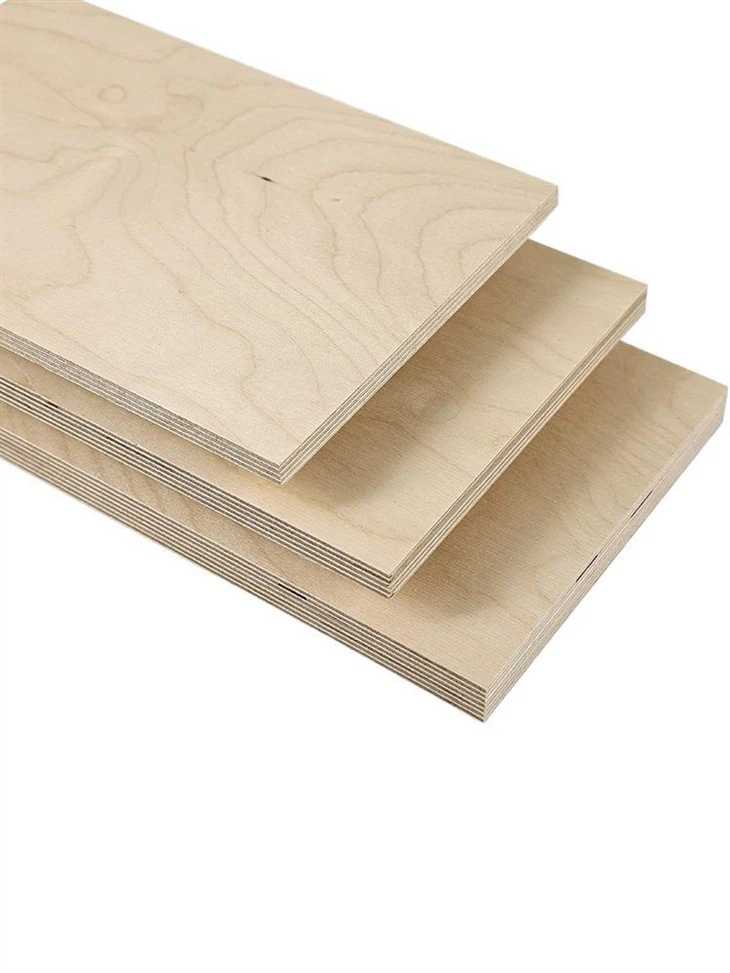
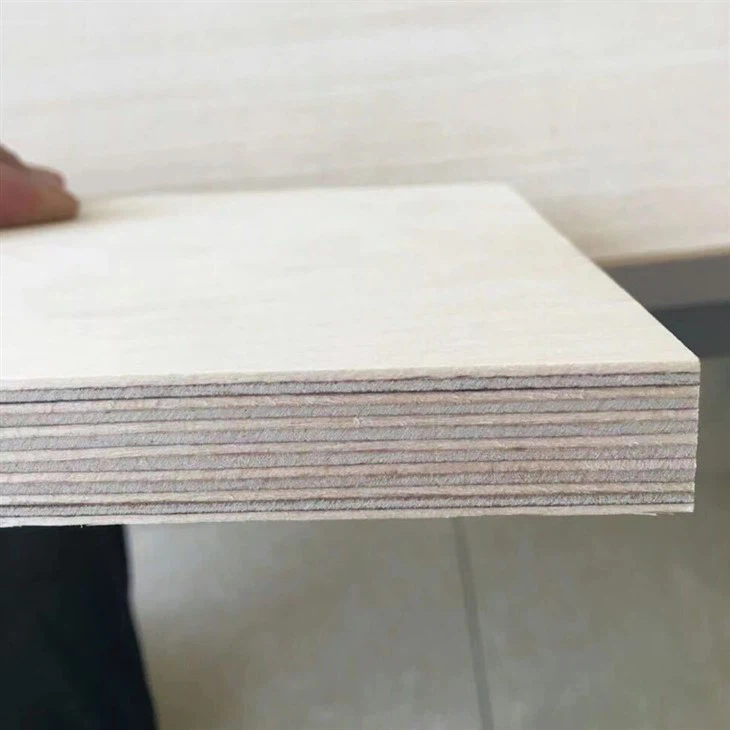
Film Faced Plywood is renowned for its high structural integrity. It is crafted by bonding multiple layers of wood veneers together with a strong adhesive under high pressure and temperature. This cross - laminated structure gives it exceptional strength in both the longitudinal and transverse directions. Unlike solid wood, which may have natural weaknesses such as knots or grain irregularities, Film Faced Plywood distributes stress evenly across its surface.
The layers of veneer are arranged in such a way that the grain of each layer runs perpendicular to the adjacent ones. This configuration not only enhances the plywood's resistance to warping and splitting but also provides excellent load - bearing capacity. For example, in large - scale construction projects like high - rise buildings or bridges, Film Faced Plywood can be used as formwork to support the weight of wet concrete during the pouring process. It can withstand the significant hydrostatic pressure exerted by the concrete without deforming, ensuring that the final structure has a smooth and accurate shape.
Moisture Resistance
One of the key factors contributing to the strength of Film Faced Plywood is its outstanding moisture resistance. The outer surface of the plywood is covered with a thin film, usually made of phenolic resin. This film acts as a protective barrier, preventing water from penetrating the wood fibers.
In construction sites, plywood is often exposed to harsh environmental conditions, including rain, humidity, and contact with wet concrete. Without proper protection, wood can absorb moisture, leading to swelling, decay, and a significant reduction in strength. However, the film on Film Faced Plywood repels water, allowing it to maintain its structural integrity even in wet environments.
This moisture resistance also makes Film Faced Plywood suitable for outdoor applications. It can be used in the construction of temporary shelters, outdoor platforms, and even in marine environments such as docks and piers. The ability to resist moisture means that the plywood will not lose its strength over time due to water damage, providing long - term reliability.
Abrasion Resistance
Another aspect of the strength of Film Faced Plywood is its excellent abrasion resistance. During the construction process, plywood is subject to a lot of wear and tear. It may be dragged across rough surfaces, come into contact with tools and equipment, or be stepped on by workers.
The phenolic film on the surface of the plywood is highly resistant to abrasion. It can withstand repeated friction and impact without getting scratched or damaged easily. This is particularly important in formwork applications, where the plywood is in direct contact with the concrete. The smooth and durable film ensures that the surface of the concrete remains free of marks and blemishes, while also protecting the plywood itself from damage.
Chemical Resistance
Film Faced Plywood also exhibits good chemical resistance. In construction, plywood may come into contact with various chemicals, such as concrete additives, cleaning agents, and solvents. These chemicals can potentially damage the wood if it is not properly protected.
The phenolic film on the plywood acts as a shield against these chemicals. It can resist the corrosive effects of many common construction - related chemicals, ensuring that the plywood's strength is not compromised. This chemical resistance allows Film Faced Plywood to be used in a wide range of construction projects, including those that involve the use of specialized concrete mixes or chemical treatments.
Different Types of Film Faced Plywood and Their Strength
There are several types of Film Faced Plywood available in the market, each with its own unique strength characteristics.
- Pine Film Faced Plywood: Pine is a softwood that is known for its relatively light weight and good strength - to - weight ratio. Pine Film Faced Plywood is often used in applications where weight is a concern, such as in the construction of temporary structures or in projects where the plywood needs to be easily handled. Despite its relatively lower density compared to some hardwoods, pine Film Faced Plywood still offers sufficient strength for many construction tasks. The film on the surface further enhances its moisture and abrasion resistance, making it a practical choice for a variety of construction needs.
- Double Sided Laminated Plywood: Double Sided Laminated Plywood has phenolic films on both sides. This provides enhanced protection and strength compared to single - sided plywood. It is ideal for applications where both sides of the plywood are exposed to the elements or where a high - quality finish is required on both surfaces. The double - sided film not only improves moisture and abrasion resistance but also adds to the overall structural stability of the plywood, making it suitable for more demanding construction projects.
- Birch Film Faced Plywood: Birch is a hardwood known for its high density and strength. Birch Film Faced Plywood offers exceptional load - bearing capacity and is often used in heavy - duty construction applications. It can withstand higher pressures and stresses compared to pine plywood. The combination of the strong birch wood and the protective film makes it a top choice for large - scale construction projects, such as the formwork for high - rise buildings and large bridges.
Applications Demonstrating Strength
The strength of Film Faced Plywood is evident in a wide range of applications. In addition to formwork, it is also used in the manufacturing of furniture. The ability to withstand stress and maintain its shape makes it suitable for constructing durable furniture pieces. For example, it can be used as the panels for cabinets, wardrobes, and desks.
In the transportation industry, Film Faced Plywood is used in the construction of truck trailers and railway carriages. It can withstand the vibrations, shocks, and impacts associated with transportation, providing a strong and reliable structure.
Conclusion
In conclusion, Film Faced Plywood is an incredibly strong and versatile building material. Its structural integrity, moisture resistance, abrasion resistance, and chemical resistance make it suitable for a wide range of applications in the construction, furniture, and transportation industries. Whether you are working on a small DIY project or a large - scale commercial construction, Film Faced Plywood can provide the strength and reliability you need.
If you are interested in purchasing Film Faced Plywood for your next project, I encourage you to reach out to discuss your specific requirements. Our team of experts is ready to assist you in selecting the right type of plywood and providing you with the best possible solution.
References
- "Handbook of Plywood and Panel Products" by Gary Ross
- "Construction Materials: Types, Uses, and Properties" by David A. Madsen
- Industry reports on the performance of Film Faced Plywood in various construction applications.