

When it comes to construction and woodworking projects, 30mm waterproof plywood is a highly sought-after material due to its durability and resistance to moisture. As a supplier of 30mm waterproof plywood, I understand the importance of being able to compare different types of this product to make informed decisions. In this blog post, I'll share some key factors to consider when comparing various 30mm waterproof plywood options.

1. Material Composition
The first aspect to look at is the material composition of the 30mm waterproof plywood. Different types of plywood are made from various wood species, and each has its own characteristics. Some common wood species used in plywood production include pine, oak, and birch.
Pine plywood is often more affordable and lightweight, making it a popular choice for general construction projects. It has a relatively uniform grain pattern and is easy to work with. However, it may not be as strong as some other wood species.
Oak plywood, on the other hand, is known for its strength and durability. It has a distinct grain pattern that adds an aesthetic appeal to the finished project. Oak plywood is more expensive than pine but is a great option for applications where strength is crucial, such as in heavy - duty construction or furniture making.
Birch plywood is another excellent choice. It is strong, stable, and has a smooth surface finish. Birch plywood is often used in high - end woodworking projects and cabinetry. It also has good resistance to warping and cracking.
2. Waterproofing Technology
The level of waterproofing is a critical factor when comparing 30mm waterproof plywood. Different manufacturers use various technologies to make their plywood waterproof.
One common method is the application of a waterproof coating on the surface of the plywood. This coating can be a paint, varnish, or a specialized waterproofing agent. The quality of the coating can vary significantly. A high - quality coating will provide long - lasting protection against moisture, while a poor - quality coating may wear off quickly, leaving the plywood vulnerable to water damage.
Another approach is the use of waterproof adhesives during the manufacturing process. These adhesives bond the layers of the plywood together and also help to prevent water from seeping into the wood. Some manufacturers use advanced waterproof adhesives that are more resistant to moisture and chemicals.
When comparing different types of 30mm waterproof plywood, it's important to ask the supplier about the specific waterproofing technology used and the expected level of protection. You can also look for industry certifications, such as the Marine Plywood Standard, which indicates a high level of waterproofing.
3. Structural Integrity
The structural integrity of 30mm waterproof plywood is essential, especially for load - bearing applications. The number of layers and the quality of the bonding between the layers play a significant role in determining the strength of the plywood.
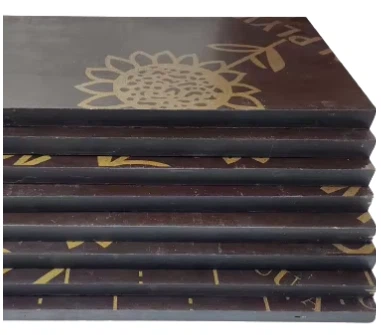
Plywood with more layers generally has better strength and stability. A well - bonded plywood will be less likely to delaminate or warp under stress. You can inspect the edges of the plywood to see if the layers are evenly bonded and if there are any signs of gaps or separation.
In addition, the density of the plywood can also affect its structural integrity. Higher - density plywood is usually stronger and more resistant to impact. However, it may also be heavier and more expensive.
4. Surface Finish
The surface finish of 30mm waterproof plywood can vary depending on the intended use. For applications where appearance is important, such as in furniture or interior wall paneling, a smooth and uniform surface finish is desirable.
Some plywood comes with a sanded finish, which provides a smooth surface that is ready for painting or staining. Others may have a textured finish, which can add a rustic or decorative look to the project.
The quality of the surface finish can also affect the durability of the plywood. A well - finished surface is more resistant to scratches, abrasions, and moisture penetration.
5. Cost
Cost is always a consideration when comparing different types of 30mm waterproof plywood. The price can vary depending on the wood species, the waterproofing technology, the structural integrity, and the surface finish.
As a general rule, plywood made from more expensive wood species, such as oak or birch, will be more costly. Plywood with advanced waterproofing technologies and high - quality surface finishes will also command a higher price.
However, it's important to consider the long - term value rather than just the initial cost. A more expensive plywood may last longer and require less maintenance, which can save you money in the long run.
Comparison with Related Products
If you are considering 30mm waterproof plywood, you may also come across other types of plywood. For example, 12mm Construction Plywood is thinner and is often used for less load - bearing applications or as a sub - layer in construction. It may not have the same level of waterproofing as 30mm waterproof plywood, but it can be a more cost - effective option for certain projects.
On the other hand, Waterproof Plywood 4x8 Sheet Lowes is a commonly available size in the market. The 4x8 sheet size is convenient for many construction and woodworking projects. However, the quality and price of these sheets can vary depending on the manufacturer and the specific product features.
Conclusion
Comparing different types of 30mm waterproof plywood requires careful consideration of multiple factors, including material composition, waterproofing technology, structural integrity, surface finish, and cost. By taking the time to evaluate these aspects, you can choose the right plywood for your specific project needs.
If you are in the market for 30mm waterproof plywood, I invite you to explore our wide range of products at 30mm Waterproof Plywood. Our team of experts is always ready to assist you in finding the best plywood solution for your project. Whether you are a professional contractor or a DIY enthusiast, we are committed to providing high - quality products and excellent customer service. Contact us today to start the procurement process and discuss your specific requirements.
References
- Wood Handbook: Wood as an Engineering Material. Forest Products Laboratory.
- Plywood Manufacturing and Technology. Various industry publications.
- Building Codes and Standards related to plywood usage in construction.