

Achieving a smooth finish on brown faced plywood is crucial for both aesthetic and functional purposes. As a seasoned supplier of brown faced plywood, I've witnessed firsthand the transformative power of a well - finished surface. In this blog, I'll share comprehensive insights and practical steps on how to finish the surface of brown faced plywood smoothly.
Understanding Brown Faced Plywood
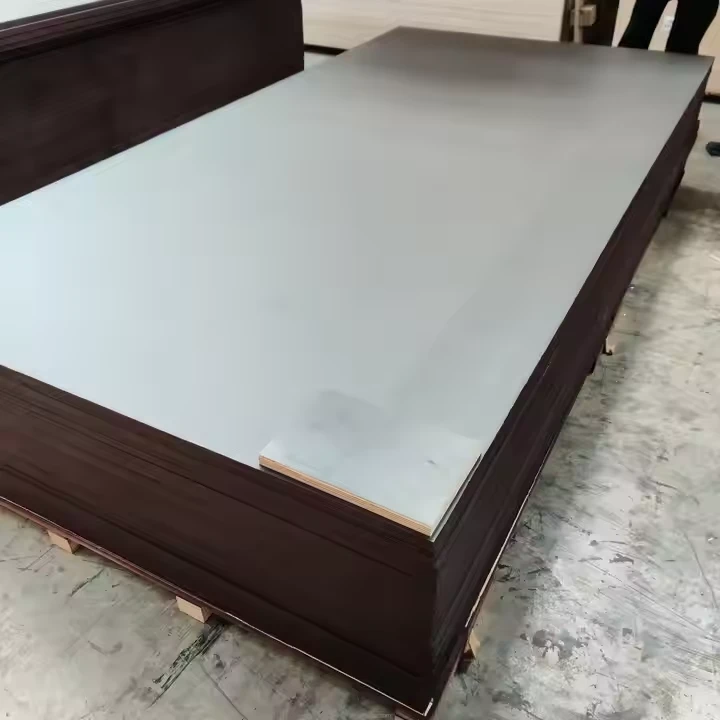
Before delving into the finishing process, it's essential to understand what brown faced plywood is. Brown faced plywood, such as Brown Film Faced Plywood and Brown Shuttering Plywood, is a type of plywood with a brown - colored face layer. This face layer can be made of various materials, including film coatings, which provide additional durability and protection. Film Coated Plywood is a popular option, as the film layer not only enhances the appearance but also resists moisture, abrasion, and chemicals.
Preparation
The key to a smooth finish starts with proper preparation. Here are the steps to follow:
Surface Inspection
Begin by carefully inspecting the plywood surface. Look for any defects such as knots, cracks, or rough spots. Knots can cause unevenness in the finish, and cracks may need to be filled to prevent them from showing through. If there are any loose or splintered areas, sand them down or trim them off.
Cleaning
Clean the surface thoroughly to remove any dust, dirt, grease, or debris. You can use a mild detergent and water solution to wipe down the plywood. Make sure to dry the surface completely before proceeding. Any remaining dirt or grease can interfere with the adhesion of the finish and result in a bumpy or patchy appearance.
Sanding
Sanding is a critical step in achieving a smooth surface. Start with a coarse - grit sandpaper, around 80 - 100 grit, to remove any major irregularities and level the surface. Work in the direction of the wood grain to avoid scratching the surface. After the initial sanding, switch to a finer - grit sandpaper, such as 120 - 150 grit, to further smooth the surface. Finish with an even finer grit, like 180 - 220 grit, for a super - smooth finish. Make sure to sand the edges as well to ensure a consistent look.
Filling Holes and Gaps
If there are any holes or gaps in the plywood, fill them with a wood filler that matches the color of the plywood. Apply the filler using a putty knife, making sure to press it firmly into the holes. Smooth the surface of the filler with the putty knife and let it dry according to the manufacturer's instructions. Once dry, sand the filled areas to blend them seamlessly with the surrounding surface.
Choosing the Right Finish
There are several types of finishes available for brown faced plywood, each with its own advantages and characteristics. Here are some common options:
Varnish
Varnish is a popular choice for plywood finishes. It provides a hard, durable, and glossy finish that protects the wood from moisture, scratches, and UV rays. There are different types of varnishes, such as oil - based and water - based. Oil - based varnishes offer a rich, warm color and excellent durability but take longer to dry. Water - based varnishes dry faster, have less odor, and are more environmentally friendly.
Lacquer
Lacquer is another option that dries quickly and provides a smooth, hard finish. It comes in both spray and brush - on forms. Spray lacquer can be applied evenly and quickly, but it requires proper ventilation and equipment. Brush - on lacquer is easier to apply for small areas but may require more coats to achieve a smooth finish.
Stain
Stain can be used to enhance the natural color of the plywood while still allowing the wood grain to show through. It can be applied before or after a clear finish. There are different types of stains, such as oil - based, water - based, and gel stains. Oil - based stains penetrate the wood deeply and provide a rich color, while water - based stains dry faster and have less odor. Gel stains are thicker and easier to control, making them a good choice for beginners.
Applying the Finish
Once you've chosen the right finish, it's time to apply it. Here are the general steps:
Stir or Shake the Finish
Before applying the finish, make sure to stir or shake it well to ensure an even consistency. This is especially important for finishes that may have settled during storage.
Test the Finish
It's always a good idea to test the finish on a small, inconspicuous area of the plywood first. This will allow you to see how the finish looks on the wood and make any necessary adjustments. Wait for the test area to dry completely before evaluating the results.
Application
When applying the finish, use a high - quality brush, roller, or spray gun, depending on the type of finish and the size of the project. If using a brush, choose a brush with natural bristles for oil - based finishes and synthetic bristles for water - based finishes. Apply the finish in thin, even coats, working in the direction of the wood grain. Avoid over - brushing, as this can cause streaks or bubbles.
Drying and Sanding Between Coats
Allow each coat of finish to dry completely according to the manufacturer's instructions. This may take anywhere from a few hours to a few days, depending on the type of finish and the environmental conditions. After the first coat is dry, lightly sand the surface with a fine - grit sandpaper (around 220 grit) to smooth out any bumps or imperfections. Wipe away the dust with a clean, dry cloth before applying the next coat.
Multiple Coats
For a durable and smooth finish, apply multiple coats of the finish. The number of coats depends on the type of finish and the desired level of protection. Generally, 2 - 3 coats are sufficient for most applications, but you may need more for high - traffic areas or areas exposed to harsh conditions.
Troubleshooting
Even with proper preparation and application, you may encounter some issues during the finishing process. Here are some common problems and solutions:
Bubbles
Bubbles can occur when air gets trapped in the finish. To prevent bubbles, make sure to stir or shake the finish gently and avoid over - brushing. If bubbles do appear, use a pin or a fine - tipped tool to pop them before the finish dries.
Streaks
Streaks can be caused by uneven application or over - brushing. To avoid streaks, apply the finish in thin, even coats and work in the direction of the wood grain. If streaks do appear, sand the surface lightly after the finish has dried and apply another coat.
Cloudiness
Cloudiness can occur if the finish is applied in high humidity or if the surface is not completely dry. Make sure to apply the finish in a well - ventilated area with low humidity and allow the surface to dry completely before applying the finish. If cloudiness does appear, sand the surface and re - apply the finish under better conditions.
Maintenance
Once you've achieved a smooth finish on your brown faced plywood, it's important to maintain it properly to keep it looking its best. Here are some maintenance tips:

Regular Cleaning
Clean the finished surface regularly with a soft, damp cloth to remove any dust or dirt. Avoid using abrasive cleaners or scrubbers, as they can scratch the finish.
Avoiding Scratches
Place felt pads under furniture legs to prevent scratches. Avoid dragging heavy objects across the finished surface.
Re - finishing
Over time, the finish may wear off, especially in high - traffic areas. If this happens, you can re - apply a new coat of finish to restore the appearance and protection of the plywood.
Conclusion
Finishing the surface of brown faced plywood smoothly requires proper preparation, the right finish, and careful application. By following the steps outlined in this blog and choosing the appropriate products, you can achieve a beautiful, durable, and smooth finish that enhances the look and functionality of your plywood. Whether you're using Brown Film Faced Plywood, Brown Shuttering Plywood, or Film Coated Plywood, a smooth finish will make your project stand out.
If you're in the market for high - quality brown faced plywood or need more advice on finishing, don't hesitate to reach out. We're here to help you with all your plywood needs and ensure your projects are a success. Contact us today to start your procurement and let's have a productive discussion.
References
- Wood Finishing Guide, Woodworkers Journal
- Plywood Product Manual, Industry Standard Publications
- Finish Application Techniques, DIY Home Improvement Magazines