

As a supplier of Black Faced Plywood, I understand the importance of durability in this product. Black Faced Plywood is widely used in various construction and industrial applications, and its durability directly affects the quality and longevity of the projects it is used in. In this blog post, I will share some effective ways to improve the durability of Black Faced Plywood based on my experience and industry knowledge.
1. Choose High - Quality Raw Materials
The foundation of durable Black Faced Plywood lies in the quality of its raw materials. For the core layers, select high - density and strong wood species. Hardwoods such as oak or birch are often excellent choices because they have a tight grain structure and high strength. These woods can better withstand pressure, impact, and moisture compared to softer woods.
When it comes to the black film on the surface, opt for high - grade, thick, and wear - resistant films. A good quality black film not only provides an aesthetically pleasing appearance but also acts as a protective barrier against scratches, abrasions, and environmental factors. You can find more information about high - quality Black Faced Plywood products like Black Film Plywood on our website.
2. Proper Manufacturing Processes
Glue Selection
The glue used in bonding the layers of Black Faced Plywood is crucial. Use water - resistant and high - strength adhesives. Phenol - formaldehyde glue is a popular choice in the industry because of its excellent water resistance and bonding strength. It can withstand high humidity and even short - term submersion in water without losing its bonding ability. This ensures that the layers of the plywood remain firmly attached, preventing delamination, which is a common issue that reduces durability.
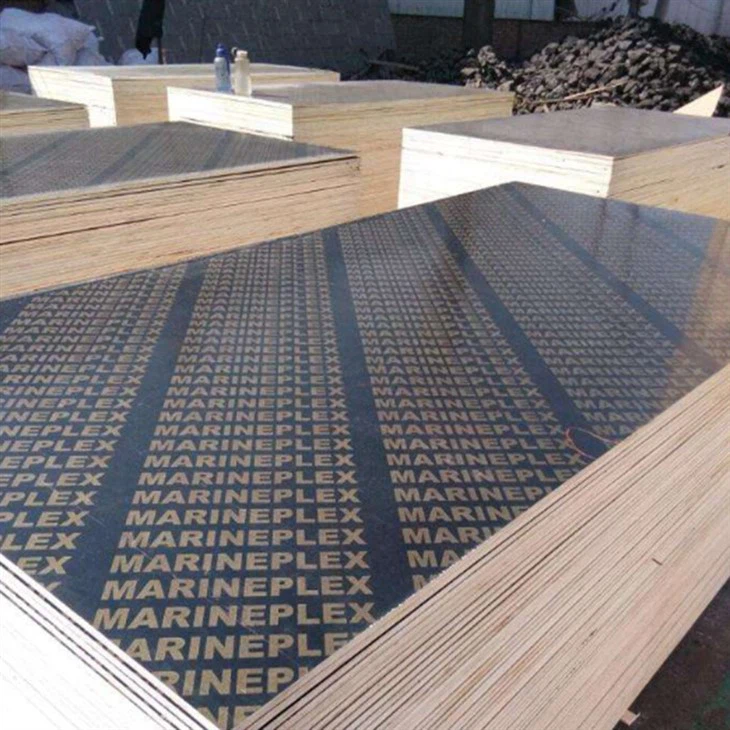

Pressing Conditions
During the manufacturing process, proper pressing conditions are essential. The pressure, temperature, and time during pressing should be precisely controlled. High - pressure pressing helps to ensure a tight bond between the layers, while appropriate temperature and time settings allow the glue to cure properly. If the pressing conditions are not optimal, the plywood may have weak spots, which can lead to premature failure.
3. Surface Treatment
Coating
Applying a protective coating to the surface of Black Faced Plywood can significantly enhance its durability. There are various types of coatings available, such as polyurethane coatings. Polyurethane coatings are known for their excellent abrasion resistance, chemical resistance, and weather resistance. They form a hard and smooth surface that can protect the plywood from scratches, stains, and UV damage. Before applying the coating, make sure the surface of the plywood is clean and dry to ensure good adhesion.
Waterproofing
Water is one of the biggest enemies of plywood. To improve the waterproofing of Black Faced Plywood, use waterproofing agents. These agents can penetrate the wood fibers and create a hydrophobic barrier, preventing water from seeping into the plywood. This is especially important for plywood used in outdoor or high - humidity environments. For example, in construction sites where the plywood may be exposed to rain or damp soil, proper waterproofing can extend its service life.
4. Storage and Handling
Storage Conditions
Proper storage is crucial to maintain the durability of Black Faced Plywood. Store the plywood in a dry and well - ventilated area. Avoid storing it directly on the ground, as this can allow moisture to seep into the bottom layer. Instead, use pallets or racks to keep the plywood elevated. If possible, cover the plywood with a waterproof tarp to protect it from rain and dust.
Handling Precautions
During handling, be careful to avoid dropping or hitting the plywood. Even a small impact can cause internal damage to the plywood, which may not be visible immediately but can weaken the structure over time. Use appropriate lifting equipment and handle the plywood gently to prevent any physical damage.
5. Application - Specific Considerations
Load - Bearing Capacity
When using Black Faced Plywood in load - bearing applications, such as formwork in construction, it is important to ensure that the plywood has an appropriate load - bearing capacity. Calculate the expected loads accurately and choose the plywood with the right thickness and strength. Overloading the plywood can lead to bending, cracking, and ultimately failure.
Chemical Exposure
In some industrial applications, the plywood may be exposed to chemicals. If this is the case, choose a plywood that is resistant to the specific chemicals it will encounter. For example, if the plywood will be used in a chemical storage area, select a plywood with a chemical - resistant coating or treatment.
6. Regular Inspection and Maintenance
Inspection
Regularly inspect the Black Faced Plywood for any signs of damage, such as cracks, delamination, or discoloration. Early detection of problems allows for timely repairs or replacement, preventing further deterioration. For example, if you notice a small crack in the plywood, you can repair it with an appropriate wood filler before it expands and causes more serious issues.
Maintenance
Perform regular maintenance on the plywood, such as cleaning and reapplying protective coatings if necessary. Cleaning the plywood can remove dirt and debris that may cause abrasion over time. Reapplying coatings can restore the protective layer and extend the life of the plywood.
Conclusion
Improving the durability of Black Faced Plywood requires a comprehensive approach, from selecting high - quality raw materials and using proper manufacturing processes to ensuring correct storage, handling, and application. By following these guidelines, you can significantly extend the service life of Black Faced Plywood, reducing costs associated with replacement and maintenance.
If you are interested in purchasing high - quality Black Faced Plywood or have any questions about improving its durability, please feel free to contact us for more information and to start a procurement negotiation. We also offer other related products such as Finger Joint Recycled Concrete Plywood and Black Shuttering Plywood.
References
- Smith, J. (2020). Wood Materials and Their Applications in Construction. Construction Press.
- Brown, A. (2019). Plywood Manufacturing: Processes and Quality Control. Wood Industry Journal.
- Green, C. (2021). Surface Treatments for Wood Products. Chemical Engineering Review.