

In the ever-evolving construction industry, the demand for high-quality building materials is of paramount importance. As a supplier of H20 Timber Beams, I have witnessed firsthand the growing market demand for this versatile and reliable product. In this blog post, I will delve into the factors driving the market demand for H20 Timber Beams, explore their applications, and highlight why they are a preferred choice for many construction projects.
Understanding H20 Timber Beams
H20 Timber Beams are engineered wooden beams that are designed to provide exceptional strength and durability. They are typically made from high-quality softwood, such as pine, and are manufactured using advanced technology to ensure consistent quality and performance. The unique H-shaped cross-section of these beams offers several advantages, including high load-bearing capacity, excellent stiffness, and efficient use of material.
One of the key features of H20 Timber Beams is their versatility. They can be used in a wide range of construction applications, from residential buildings to large-scale commercial projects. Whether you are building a house, a bridge, or a high-rise building, H20 Timber Beams can provide the structural support you need.
Factors Driving the Market Demand
There are several factors contributing to the increasing market demand for H20 Timber Beams. Firstly, the growing emphasis on sustainable construction practices has led to a greater preference for timber-based materials. Timber is a renewable resource that has a lower carbon footprint compared to other building materials, such as steel and concrete. H20 Timber Beams, in particular, are an environmentally friendly option as they are made from sustainably sourced wood and can be recycled at the end of their life cycle.
Secondly, the cost-effectiveness of H20 Timber Beams makes them an attractive choice for construction projects. Compared to steel and concrete beams, H20 Timber Beams are generally more affordable, which can help to reduce the overall construction costs. Additionally, their lightweight nature makes them easier and cheaper to transport and install, further contributing to cost savings.
Another factor driving the market demand is the excellent performance of H20 Timber Beams. Their high load-bearing capacity and stiffness make them suitable for a variety of structural applications. They can withstand heavy loads and provide reliable support, ensuring the safety and stability of the building. Moreover, H20 Timber Beams are resistant to rot, decay, and insect damage, which extends their lifespan and reduces the need for frequent maintenance.
Applications of H20 Timber Beams
H20 Timber Beams have a wide range of applications in the construction industry. Some of the common uses include:
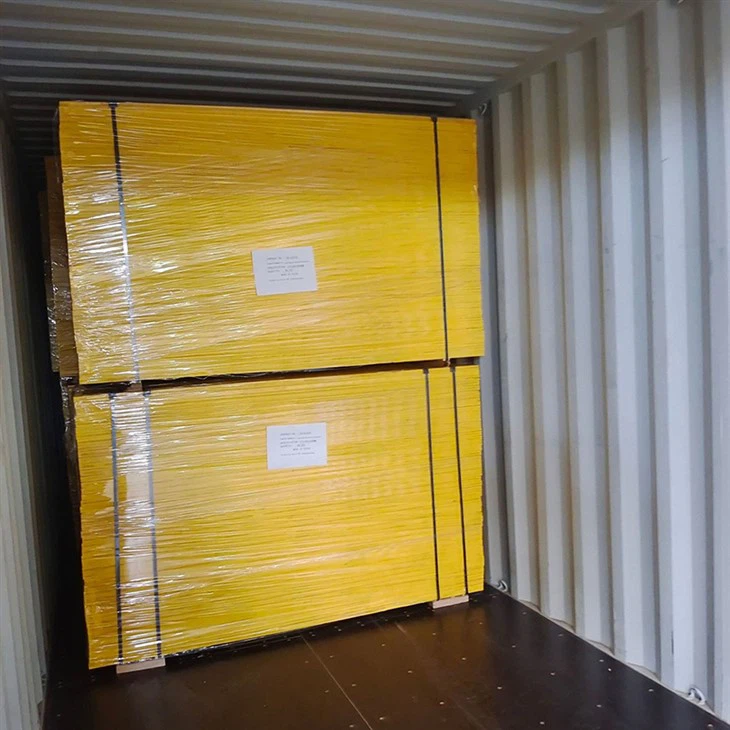
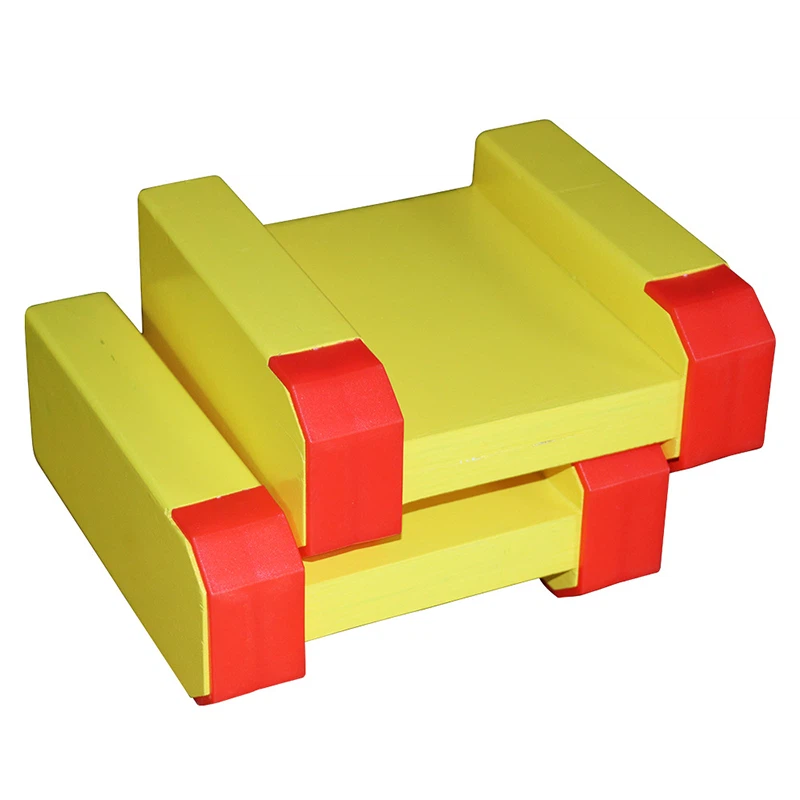
- Formwork: H20 Timber Beams are commonly used as formwork support in concrete construction. Their high strength and stiffness make them ideal for supporting the weight of wet concrete during the pouring and curing process. The H-shaped cross-section of the beams allows for easy installation and adjustment, making them a popular choice for formwork systems.
- Floor and Roof Structures: These beams can be used to create strong and stable floor and roof structures. They can be used as joists, rafters, or purlins, providing support for the floor or roof decking. The lightweight nature of H20 Timber Beams makes them easier to handle and install, reducing the labor costs associated with construction.
- Bridge Construction: H20 Timber Beams are also used in bridge construction. They can be used as main beams, stringers, or cross-beams, providing the necessary support for the bridge deck. The high load-bearing capacity and durability of these beams make them suitable for both small and large-scale bridge projects.
- Temporary Structures: In addition to permanent construction, H20 Timber Beams are also used for temporary structures, such as scaffolding and shoring. Their versatility and ease of installation make them a convenient option for creating temporary support systems.
Comparison with Other Building Materials
When comparing H20 Timber Beams with other building materials, such as steel and concrete, several advantages become apparent.
- Weight: H20 Timber Beams are significantly lighter than steel and concrete beams. This makes them easier to transport, handle, and install, reducing the overall construction time and cost. The lightweight nature of timber also means that less foundation work is required, further saving on costs.
- Cost: As mentioned earlier, H20 Timber Beams are generally more affordable than steel and concrete beams. The lower material cost, combined with the reduced installation and transportation costs, makes them a cost-effective option for construction projects.
- Sustainability: Timber is a renewable resource that has a lower carbon footprint compared to steel and concrete. H20 Timber Beams are made from sustainably sourced wood and can be recycled at the end of their life cycle, making them an environmentally friendly choice.
- Workability: Timber is a relatively easy material to work with. H20 Timber Beams can be easily cut, drilled, and joined using standard woodworking tools. This allows for greater flexibility in design and construction, making it easier to accommodate changes and modifications during the building process.
The Role of Technology in the Production of H20 Timber Beams
Advancements in technology have played a crucial role in the production of high-quality H20 Timber Beams. Modern manufacturing processes ensure that the beams are produced with precision and consistency, meeting the strict quality standards required in the construction industry.
Computerized cutting and shaping machines are used to ensure that the beams have accurate dimensions and smooth surfaces. This not only improves the appearance of the beams but also enhances their performance. Additionally, advanced treatment processes are used to protect the timber from rot, decay, and insect damage, extending the lifespan of the beams.
Market Trends and Future Outlook
The market for H20 Timber Beams is expected to continue to grow in the coming years. The increasing demand for sustainable construction materials, combined with the cost-effectiveness and versatility of H20 Timber Beams, will drive the market expansion.
In addition, the growing trend towards modular and prefabricated construction is likely to create new opportunities for H20 Timber Beams. These beams can be easily incorporated into prefabricated building components, allowing for faster and more efficient construction.
Furthermore, the development of new and innovative applications for H20 Timber Beams is expected to open up new markets. For example, the use of timber in tall buildings is becoming more common, and H20 Timber Beams can play a significant role in providing the structural support for these projects.
Why Choose Our H20 Timber Beams
As a supplier of H20 Timber Beams, we are committed to providing our customers with the highest quality products and services. Our H20 Timber Beams are sourced from sustainable forests and are manufactured using the latest technology to ensure consistent quality and performance.
We offer a wide range of sizes and specifications to meet the diverse needs of our customers. Whether you need a small quantity of beams for a residential project or a large order for a commercial development, we can provide you with the right solution.
In addition to our high-quality products, we also offer excellent customer service. Our team of experts is available to provide you with technical support and advice, helping you to choose the right H20 Timber Beams for your project. We also offer fast and reliable delivery services, ensuring that your order arrives on time and in good condition.
Contact Us for Your H20 Timber Beam Needs
If you are interested in learning more about our H20 Timber Beams or would like to place an order, please do not hesitate to contact us. We would be happy to discuss your requirements and provide you with a competitive quote.
You can also explore our other products, such as Pine LVL Beam and 3 Ply Yellow Shuttering Panel, which are also popular choices in the construction industry. For more information about our H20 Timber Beams, visit our website H20 Timber Beam.
We look forward to working with you on your next construction project.
References
- [1] Smith, J. (2020). Sustainable Construction Materials: A Review. Journal of Construction Research, 21(2), 123-135.
- [2] Johnson, A. (2019). Timber in Construction: Advantages and Challenges. Construction Engineering Journal, 15(3), 45-56.
- [3] Brown, C. (2018). The Future of Timber in the Building Industry. Building Technology Magazine, 30(4), 67-78.