

Hey there! As a plywood supplier, I've seen firsthand the ins and outs of the industry, especially when it comes to using plywood to make chairs. Making a plywood chair might seem like a straightforward task at first glance, but it's actually filled with a bunch of challenges. In this blog, I'll break down the main hurdles that come with crafting a plywood chair and share some insights from my experience in the plywood business.
1. Material Selection
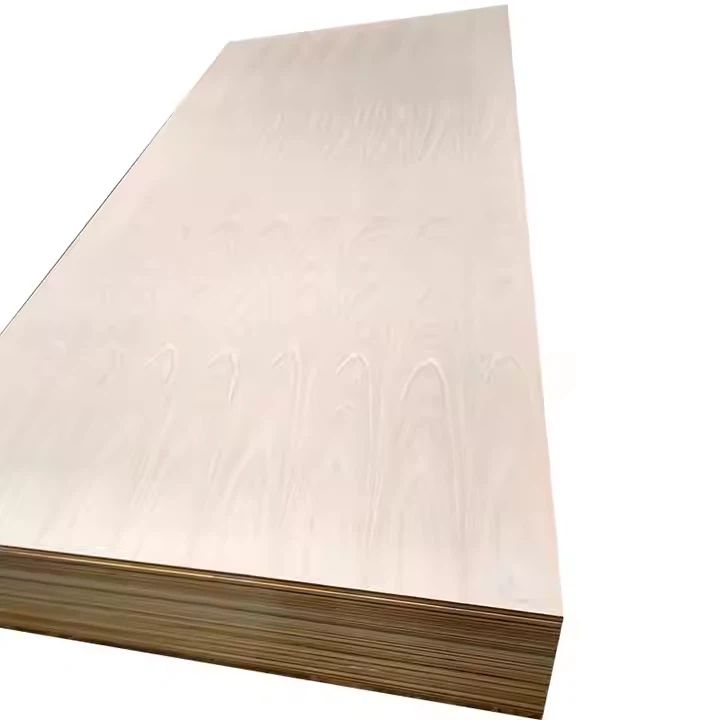
One of the very first challenges in making a plywood chair is choosing the right type of plywood. There are so many options out there, each with its own set of properties. For example, Red Construction Plywood is known for its durability and strength, which makes it a good choice for chairs that need to withstand a lot of weight and use. But it can also be quite heavy, which might not be ideal if you're going for a lightweight chair design.
On the other hand, Aspenite Plywood is lighter and has a smoother surface, which can be great for chairs that are more about style and comfort. However, it might not be as strong as some other types of plywood, so it might not be suitable for chairs that will be used in high - traffic areas or by people with a larger build.
Birch Construction Plywood is another popular option. It's strong, has a nice grain pattern, and is relatively easy to work with. But it can be more expensive than some other types of plywood, which can increase the overall cost of making the chair.
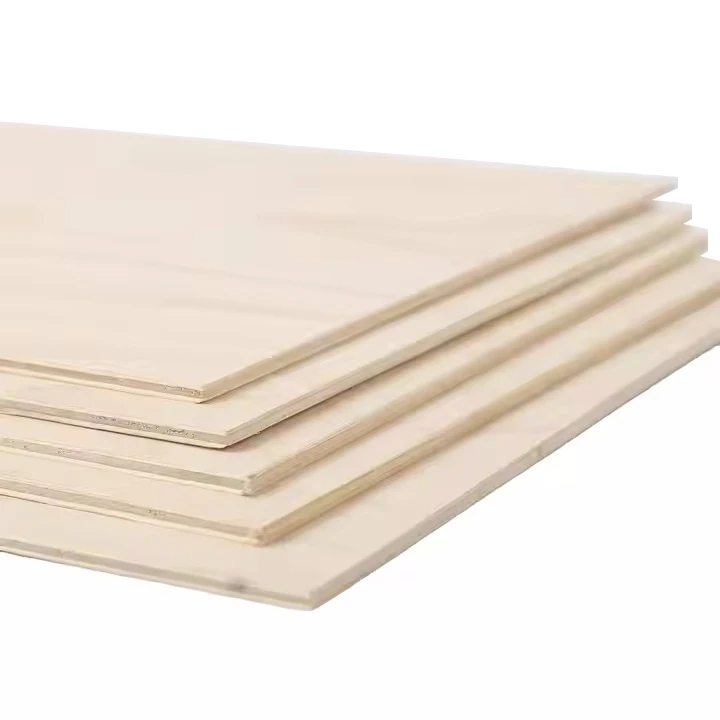
When choosing the plywood, you also need to consider the thickness. Thicker plywood will generally be stronger, but it can also be more difficult to bend and shape. Thinner plywood, on the other hand, is easier to work with in terms of bending, but it might not be able to support as much weight.
2. Design and Engineering
Designing a plywood chair is no easy feat. You need to come up with a design that is not only aesthetically pleasing but also functional and comfortable. The shape of the chair has to support the human body in a natural and comfortable way. For example, the curvature of the backrest should match the natural curve of the spine to prevent back pain.
Engineering is also a crucial part of the process. You need to ensure that the chair can support the weight of the user without breaking or collapsing. This involves calculating the stress and strain on different parts of the chair and making sure that the joints are strong enough.
Plywood has different strength properties depending on the direction of the grain. So, when designing the chair, you need to take this into account. For example, if a part of the chair is going to bear a lot of weight, you might want to align the grain in a way that maximizes its strength in that direction.
Another aspect of design is the overall stability of the chair. A wobbly chair is not only annoying but also dangerous. You need to design the base of the chair in a way that provides a wide and stable footprint. This might involve using a tripod or four - leg design, and making sure that the legs are properly attached to the seat and backrest.
3. Cutting and Shaping
Cutting plywood accurately is a challenge in itself. Plywood can splinter easily, especially if you're using a dull blade or the wrong cutting technique. You need to use a sharp blade and the right type of saw for the job. For straight cuts, a circular saw or a table saw can work well. But for curved cuts, a jigsaw or a band saw might be more appropriate.
Shaping the plywood to create the desired curves and contours of the chair is even more difficult. There are several methods for shaping plywood, such as steam bending and laminating. Steam bending involves heating the plywood with steam to make it more flexible and then bending it into the desired shape. However, this method requires special equipment and a certain level of skill. If the plywood is not heated evenly or bent too quickly, it can crack or break.
Laminating involves gluing multiple layers of thin plywood together to create a curved shape. This method can be more forgiving than steam bending, but it also requires precise alignment of the layers and a strong adhesive. The glue needs to dry properly to ensure a strong bond, and any air bubbles or misalignments can weaken the structure of the chair.
4. Joining and Assembly
Once you've cut and shaped the plywood pieces, you need to join them together to assemble the chair. There are several ways to join plywood, including screws, nails, and glue. Each method has its own advantages and disadvantages.
Screws provide a strong and adjustable joint. They can be tightened or loosened if needed, which can be useful during the assembly process. However, drilling holes in plywood can be tricky, as it can cause the plywood to split if not done correctly.
Nails are a quick and easy way to join plywood, but they might not provide as strong a joint as screws. They can also be difficult to remove if you need to make adjustments to the chair.
Glue is often used in combination with screws or nails to create a strong and seamless joint. But choosing the right glue is important. There are different types of glue available, such as wood glue, epoxy glue, and polyurethane glue. Each type of glue has different properties, such as drying time, strength, and flexibility. You need to choose a glue that is suitable for the type of plywood you're using and the conditions in which the chair will be used.
During the assembly process, you also need to make sure that all the parts are properly aligned. Even a small misalignment can affect the stability and functionality of the chair. This might require using clamps to hold the parts in place while the glue dries or the screws are tightened.
5. Finishing
Finishing the plywood chair is the final step, but it's also an important one. A good finish not only enhances the appearance of the chair but also protects the plywood from moisture, scratches, and other types of damage.
There are several types of finishes available, such as paint, stain, and varnish. Paint can provide a solid color and a smooth finish, but it can also cover up the natural beauty of the plywood grain. Stain, on the other hand, allows the grain to show through while adding color and protection. Varnish provides a hard and durable finish that can resist scratches and moisture.
Applying the finish evenly is a challenge. If the finish is too thick in some areas and too thin in others, it can make the chair look uneven. You also need to make sure that the surface of the plywood is clean and smooth before applying the finish. Any dust or debris can get trapped in the finish and create a rough texture.
6. Cost and Time Management
Making a plywood chair can be a time - consuming and expensive process. The cost of the plywood itself can vary depending on the type and quality. As I mentioned earlier, some types of plywood, like Birch Construction Plywood, can be quite expensive.
In addition to the cost of the material, you also need to factor in the cost of tools, equipment, and labor. Specialized tools for cutting, shaping, and finishing the plywood can be costly, and if you're not doing the work yourself, you'll need to pay someone to do it for you.
Time management is also crucial. The process of making a plywood chair from start to finish can take several days or even weeks, depending on the complexity of the design and the number of chairs you're making. Delays in any part of the process, such as waiting for the glue to dry or for a tool to be repaired, can add up and increase the overall time and cost of the project.
Conclusion
Making a plywood chair is a challenging but rewarding process. From choosing the right material to finishing the chair, there are many hurdles to overcome. But with the right skills, tools, and knowledge, it's possible to create a beautiful and functional plywood chair.
If you're interested in purchasing plywood for your chair - making projects or have any questions about the types of plywood we offer, feel free to reach out. We're here to help you find the best plywood solutions for your needs and can provide you with more information on how to overcome these challenges. Let's start a conversation about your next plywood chair project!
References
- Plywood Handbook by the Western Wood Products Association
- Woodworking for Beginners by Popular Mechanics
- The Complete Guide to Furniture Making by Taunton Press