

Hey there! As a supplier of Phenolic Faced Plywood, I've been in the thick of this industry for quite a while. Today, I wanna chat about the factors that can really affect the quality of this awesome product.

Raw Materials
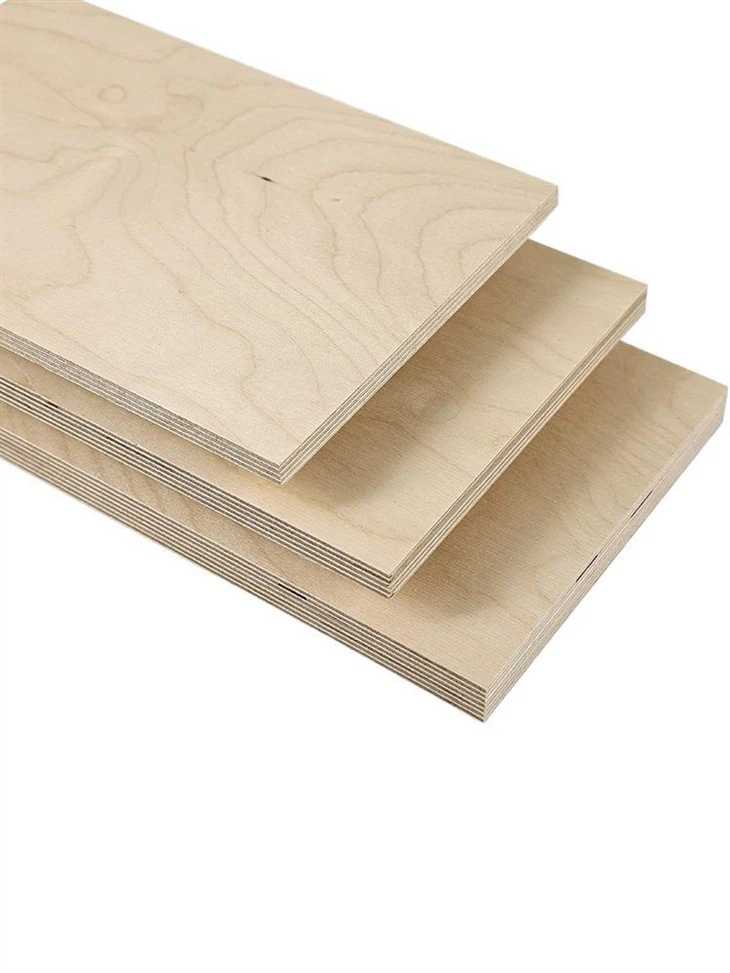
First off, let's talk about the raw materials. The core material of Phenolic Faced Plywood is super important. Usually, we use hardwoods like birch. Birch is known for its strength and stability. Birch Film Faced Plywood is a great example. The quality of the birch logs we source matters a ton. If the logs have knots, cracks, or are from diseased trees, it can seriously mess up the final plywood quality.
The phenolic film is another key raw material. This film gives the plywood its resistance to moisture, chemicals, and wear. A high - quality phenolic film should have a uniform thickness and good adhesion to the core. If the film is too thin, it won't provide enough protection. On the other hand, if it's too thick, it can make the plywood heavier and more expensive. And if the adhesion is poor, the film might peel off over time, especially in harsh conditions.
Manufacturing Process
The manufacturing process is like the recipe for a great dish. Every step counts.
Log Peeling
The first step is log peeling. We use special machines to peel the logs into thin veneers. The thickness of these veneers needs to be consistent. If the veneers are too thick or too thin in some parts, it can lead to an uneven surface on the final plywood. Also, the peeling speed matters. If it's too fast, the veneers might get damaged, and if it's too slow, it can be a waste of time and energy.
Veneer Drying
After peeling, the veneers need to be dried. The moisture content of the veneers should be within a certain range. If the moisture content is too high, the plywood might warp or delaminate later. If it's too low, the veneers can become brittle and break easily during the pressing process. We usually use dryers to control the moisture content precisely.
Gluing
Gluing is a crucial step. The type of glue we use has a big impact on the quality of the plywood. We need a glue that can bond the veneers together strongly and resist moisture. Phenolic resin glue is a popular choice because it has good water - resistance and bonding strength. The amount of glue applied also needs to be just right. Too little glue won't create a strong bond, and too much glue can cause problems like excessive bleeding and longer curing times.
Pressing
The pressing process is where all the veneers come together to form the plywood. The pressure, temperature, and time during pressing are all important factors. If the pressure is too low, the veneers won't bond well, and the plywood will be weak. If the pressure is too high, it can damage the veneers or the phenolic film. The temperature also needs to be carefully controlled. A proper temperature helps the glue to cure and the veneers to bond effectively. And the pressing time should be long enough for the glue to fully cure but not so long that it wastes energy.
Storage and Transportation
Even after the plywood is made, how we store and transport it can affect its quality.
Storage
When storing Phenolic Faced Plywood, we need to keep it in a dry and well - ventilated place. If the storage environment is too humid, the plywood can absorb moisture, which can lead to warping, mold growth, or delamination. We also need to stack the plywood properly. If it's stacked unevenly or with too much weight on top, it can cause the plywood to bend or crack.
Transportation
During transportation, the plywood needs to be protected from damage. It should be loaded and unloaded carefully to avoid impacts. If the plywood is exposed to rain or other harsh weather conditions during transportation, it can also affect its quality. We usually use protective covers to shield the plywood from the elements.
Quality Control
Quality control is like a safety net. We have a series of tests to make sure the Phenolic Faced Plywood meets the required standards.
Physical Tests
We test the physical properties of the plywood, such as its density, thickness, and moisture content. The density of the plywood should be within a certain range. A higher density usually means better strength, but it also means more weight. The thickness should be uniform across the entire sheet. Any significant variation in thickness can indicate problems in the manufacturing process.
Mechanical Tests
We also conduct mechanical tests, like bending strength and shear strength tests. These tests help us determine how strong the plywood is and whether it can withstand the forces it will encounter in real - world applications. For example, in construction, the plywood needs to be able to support the weight of concrete and other materials without breaking.
Chemical Tests
Chemical tests are important to check the resistance of the plywood to chemicals and moisture. We might soak the plywood in water or expose it to certain chemicals to see how it reacts. If the plywood shows signs of damage or degradation during these tests, it means it might not be suitable for certain applications.
Market Demands and Applications
The market demands and applications of Phenolic Faced Plywood also influence its quality.
Different Applications
Phenolic Faced Plywood is used in various applications, such as construction, furniture making, and packaging. For construction, the plywood needs to have high strength and good resistance to moisture and wear. Finger Joint Recycled Concrete Plywood is often used in construction projects where we need a reliable and durable material. In furniture making, the appearance of the plywood is also important. It should have a smooth and attractive surface. And for packaging, the plywood needs to be lightweight and cost - effective.
Market Expectations
The market always has certain expectations regarding the quality of Phenolic Faced Plywood. Customers are looking for products that are not only of high quality but also environmentally friendly. We need to keep up with these trends and make sure our products meet these expectations. For example, more and more customers are interested in 18mm Black Film Faced Plywood 18mm because of its unique appearance and good performance.
In conclusion, the quality of Phenolic Faced Plywood is affected by many factors, from raw materials and manufacturing processes to storage, transportation, quality control, and market demands. As a supplier, we need to pay attention to every detail to ensure that we can provide our customers with the best - quality products.
If you're interested in purchasing Phenolic Faced Plywood for your project, whether it's construction, furniture making, or packaging, feel free to reach out. We're here to discuss your specific needs and provide you with the right solutions.
References
- Wood Handbook: Wood as an Engineering Material. Forest Products Laboratory.
- ASTM International Standards for Plywood.
- Industry reports on Phenolic Faced Plywood market trends.