

Hey there! As a supplier of 30mm waterproof plywood, I've had my fair share of questions about the markings on this kind of plywood. So, I thought I'd write this blog to share some insights on what those markings actually mean.
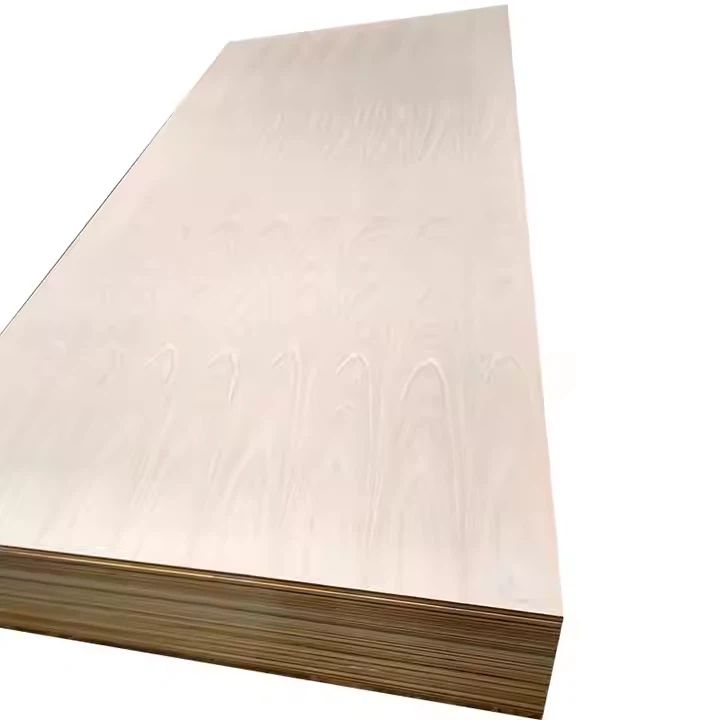

First off, let's talk about why markings are important. They're like a secret code that tells you a whole bunch of things about the plywood, from its quality to its intended use. Knowing how to read these markings can help you make a better choice when you're looking to buy 30mm waterproof plywood.
One of the most common markings you'll see is related to the plywood's grade. There are different grading systems out there, but a widely recognized one is the hardwood plywood grading system. Grades can range from A to D, with A being the highest quality and D being the lowest. An A-grade 30mm waterproof plywood will have a smooth, almost flawless surface, making it great for projects where appearance matters, like high - end furniture or cabinetry. On the other hand, D - grade plywood might have more knots, holes, or other imperfections, but it can still be perfectly fine for structural or less visible applications. You can check out more about high - quality hardwood options at Hardwood Large Thickness Plywood.
Another important marking is for moisture resistance. Since we're talking about 30mm waterproof plywood, this is a crucial one. Plywood that's truly waterproof will have a specific marking indicating its ability to withstand water for extended periods. Some markings might show that the plywood has been treated with special chemicals to make it water - resistant. For example, it could be marked with a symbol or a code that means it meets certain industry standards for water resistance. This is super important, especially if you're using the plywood in areas where it will be exposed to moisture, like bathrooms, kitchens, or outdoor structures.
The markings can also tell you about the plywood's strength and durability. There are usually ratings for things like bending strength and shear strength. These ratings give you an idea of how well the plywood can hold up under different types of stress. If you're using the 30mm waterproof plywood for a load - bearing structure, you'll definitely want to pay attention to these strength markings.
Now, let's talk about the source of the wood. Some markings might indicate where the wood came from. This is important for a few reasons. First, it can give you an idea of the quality of the wood. Different regions produce wood with different characteristics. For example, wood from certain areas might be denser or more resistant to pests. Second, it can be a matter of sustainability. If the plywood is marked as coming from a sustainably managed forest, it means that the trees were harvested in an environmentally friendly way.
There are also markings related to fire resistance. In some cases, 30mm waterproof plywood might be treated to be more fire - resistant. These markings will show that the plywood has passed certain fire - safety tests. This is crucial, especially in commercial or residential buildings where fire safety is a top priority.
You might also come across markings for formaldehyde emissions. Plywood can sometimes emit formaldehyde, which is a harmful chemical. Low - emission plywood will have a marking indicating that it meets strict standards for formaldehyde release. This is important for indoor applications, as it helps to keep the air quality in your home or building healthy.
Let's take a look at some other types of plywood that are related to our 30mm waterproof plywood. Aspenite Plywood is another option you might consider. It has its own set of markings and characteristics. Aspenite plywood is known for its light weight and good strength - to - weight ratio. It can be used in a variety of applications, both indoor and outdoor.
If you're looking for a thinner option, 12mm Construction Plywood is a great choice. It also has markings that tell you about its quality, strength, and other important features. The markings on 12mm construction plywood are similar in many ways to those on 30mm waterproof plywood, but they're adjusted for the different thickness and intended uses.
So, how do you use all this information when you're buying 30mm waterproof plywood? Well, first, you need to figure out what your project needs. If it's a cosmetic project, you'll want a high - grade plywood with a smooth finish. If it's a structural project, you'll need to pay close attention to the strength and moisture - resistance markings.
When you're at the store or looking online, take the time to read the markings carefully. Don't be afraid to ask questions if you're not sure what something means. And remember, as a supplier, I'm here to help you make the right choice.
If you're interested in purchasing 30mm waterproof plywood or have any questions about the markings or the product in general, I'd love to have a chat with you. Just reach out, and we can start a conversation about your project and how my 30mm waterproof plywood can fit your needs. Whether you're a DIY enthusiast or a professional contractor, I'm confident that I can provide you with high - quality plywood that meets your requirements.
In conclusion, the markings on 30mm waterproof plywood are like a roadmap to understanding the product. They tell you about its grade, moisture resistance, strength, source, fire resistance, and formaldehyde emissions. By learning how to read these markings, you can make an informed decision and get the best plywood for your project. So, don't overlook those little markings – they can make a big difference in the success of your project.
References:
- Wood Products Handbook: A Guide to Understanding Wood and Its Uses
- Plywood Grading and Standards Manual