

Hey there! I'm a timber supplier, and I've been in this industry for quite a while. Over the years, I've seen a growing concern about sustainable forestry, especially when it comes to timber production. So, I thought I'd share my thoughts on how we can achieve sustainable forestry for timber.
First off, let's talk about what sustainable forestry actually means. In simple terms, it's about managing forests in a way that meets the needs of the present without compromising the ability of future generations to meet their own needs. This involves balancing environmental, social, and economic factors.
One of the key aspects of sustainable forestry is responsible harvesting. This means only cutting down trees that are mature and ready for harvest, and doing it in a way that minimizes damage to the forest ecosystem. For example, selective logging can be a great way to do this. Instead of clear - cutting large areas of forest, we can carefully choose which trees to cut, leaving the rest to continue growing and providing habitat for wildlife.
Another important factor is reforestation. After we harvest trees, we need to plant new ones. This helps to maintain the forest cover and ensures that there will be a continuous supply of timber in the future. It's not just about planting any old tree, though. We need to choose native species that are well - adapted to the local environment. This way, they're more likely to thrive and contribute to the overall health of the forest.
I remember one project we were involved in. We harvested a small area of pine trees for our Pine LVL Beam. After the harvest, we planted a mix of pine and other native tree species. It was amazing to see how quickly the area started to recover. Within a few years, there were new saplings growing, and the wildlife was starting to return.
Certification is also a big deal in sustainable forestry. There are several certification programs out there, like the Forest Stewardship Council (FSC). When a forest is FSC - certified, it means that it's being managed according to strict environmental and social standards. As a timber supplier, I always look for FSC - certified timber. It gives my customers peace of mind knowing that the timber they're buying comes from a sustainable source.
But it's not just about the forest management itself. We also need to look at the entire supply chain. From the moment the tree is cut down to the time it reaches the customer, every step should be as sustainable as possible. This includes reducing waste during processing, using energy - efficient transportation methods, and minimizing the environmental impact of our operations.
For instance, at our processing facility, we've made a lot of changes to be more sustainable. We've installed energy - efficient equipment that uses less electricity, and we've set up a recycling program for the wood waste. This not only helps the environment but also saves us money in the long run.
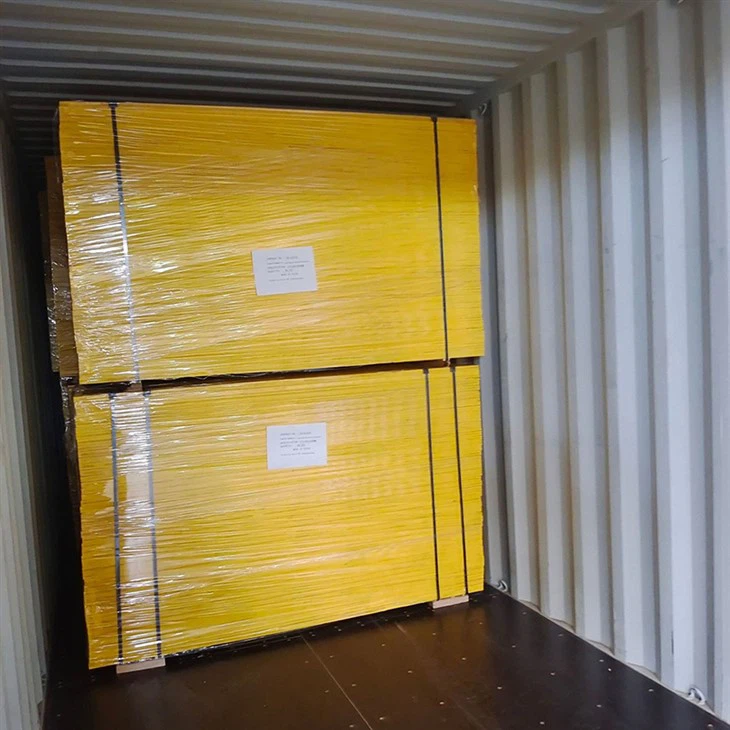
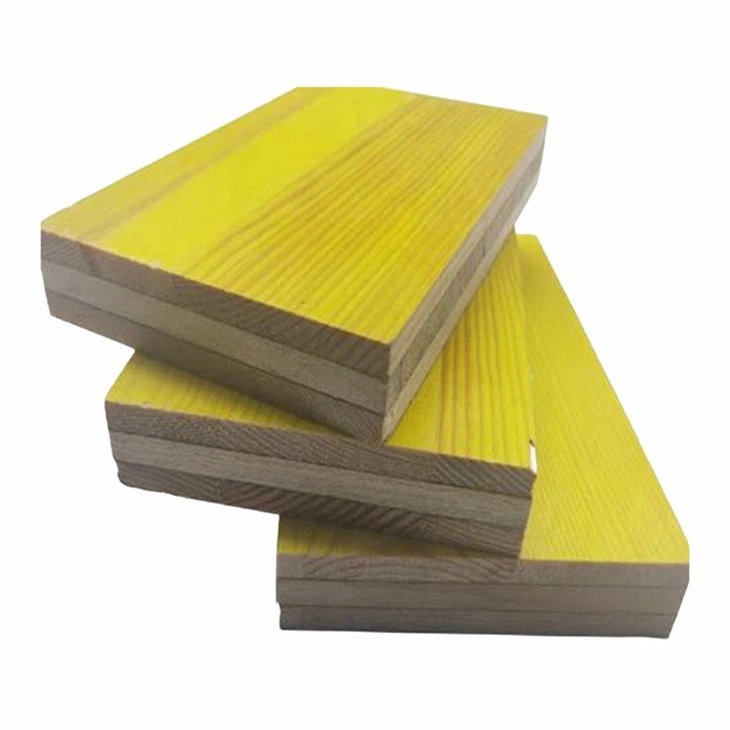
When it comes to the products we offer, we need to make sure they're designed and used in a sustainable way. Take our 3 Ply Yellow Shuttering Panel. We've designed it to be durable and reusable. This means that our customers can use it multiple times, reducing the need for more timber to be harvested.
Another product, the H20 Timber Beam, is also designed with sustainability in mind. It's made from high - quality timber that's been treated to last longer. This reduces the frequency of replacement and, again, helps to conserve our forest resources.
Education and awareness are also crucial. We need to educate our customers about the importance of sustainable forestry and why they should choose sustainable timber products. Many people are still not fully aware of the impact that their choices can have on the environment. By providing them with information and options, we can encourage them to make more sustainable decisions.
We've been doing a lot of outreach in our local community. We've held workshops and seminars to teach people about sustainable forestry and the benefits of using sustainable timber. It's been really rewarding to see the interest and enthusiasm from the community.
Collaboration is another key factor. We can't achieve sustainable forestry on our own. We need to work together with forest owners, environmental groups, government agencies, and other stakeholders. By sharing our knowledge and resources, we can come up with better solutions and make a bigger impact.
For example, we've partnered with a local environmental group to monitor the health of the forests we source from. They have the expertise in ecological monitoring, and we have the on - the - ground knowledge of the timber industry. Together, we've been able to identify potential issues early on and take steps to address them.
In addition to all these, we also need to look at the economic side of things. Sustainable forestry needs to be economically viable. If it's not profitable, then it's not going to be sustainable in the long run. We need to find ways to balance the cost of sustainable forest management with the market demand for timber products.
One way we've done this is by focusing on value - added products. Instead of just selling raw timber, we've been processing it into higher - value products like our Pine LVL Beam and 3 Ply Yellow Shuttering Panel. This allows us to command a higher price in the market and make our operations more profitable.
So, in conclusion, achieving sustainable forestry for timber is a complex but achievable goal. It requires responsible harvesting, reforestation, certification, a sustainable supply chain, education, collaboration, and economic viability. As a timber supplier, I'm committed to doing my part in making this happen.
If you're interested in learning more about our sustainable timber products or have any questions about sustainable forestry, I'd love to hear from you. Whether you're a contractor, a builder, or just someone who cares about the environment, we can work together to make a difference. Let's start a conversation about how we can meet your timber needs in a sustainable way.
References
- Forest Stewardship Council. (n.d.). What is FSC? Retrieved from [FSC official website]
- Various industry reports on sustainable forestry and timber production.