

Hey there! As a plywood supplier, I get asked a ton about what plywood is made of. So, I thought I'd sit down and break it all down for you.
Let's start with the basics. Plywood is a composite wood product, and it's made by gluing together multiple thin layers of wood veneer. These veneers are usually placed with their grain directions perpendicular to each other. This cross - graining gives plywood some really cool properties.
The Wood Veneers
The most common types of wood used for plywood veneers include hardwoods and softwoods. Hardwoods like oak, birch, and maple are known for their strength and durability. They're often used in applications where the plywood will be under a lot of stress or where a nice finish is required. For example, 14mm Oak Plywood is a popular choice for furniture making. Oak is a dense hardwood, and the 14mm thickness provides a solid base for all sorts of furniture pieces, from cabinets to tables.
Softwoods, on the other hand, are more commonly used in construction. Pine, spruce, and fir are frequently used because they're more abundant and generally less expensive. These softwood plywoods are great for things like sheathing in building construction, where they provide structural support.
Another type of wood that's used is aspen. Aspenite Plywood is made from aspen wood. Aspen is a lightweight wood, which makes the plywood easy to handle. It's often used in applications where weight is a concern, such as in the manufacturing of recreational vehicles or in some types of interior paneling.
The Glue
The glue is a crucial component of plywood. It's what holds the veneers together and gives the plywood its strength. There are different types of glues used, depending on the intended use of the plywood.
For interior applications, urea - formaldehyde glue is commonly used. It's relatively inexpensive and provides good bonding strength. However, it's not very water - resistant, so it's not suitable for outdoor use.
For exterior applications or areas where the plywood will be exposed to moisture, phenol - formaldehyde glue is the go - to. This type of glue is very water - resistant and can withstand harsh weather conditions. It's used in things like roofing and exterior wall sheathing.
There are also some newer, more environmentally friendly glues on the market. These are often made from natural materials and are designed to reduce the amount of harmful chemicals released into the environment.
The Manufacturing Process
Now, let's talk about how plywood is actually made. The first step is to select the right logs. The logs are then debarked and cut into large blocks. These blocks are then placed in a lathe, which peels the wood into thin veneers. The thickness of the veneers can vary depending on the type of plywood being made.
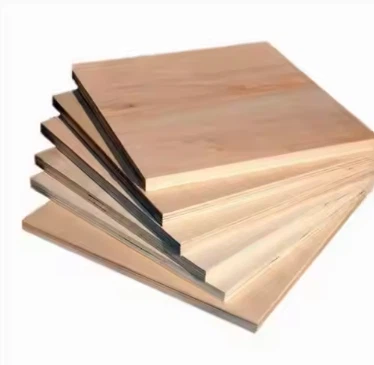
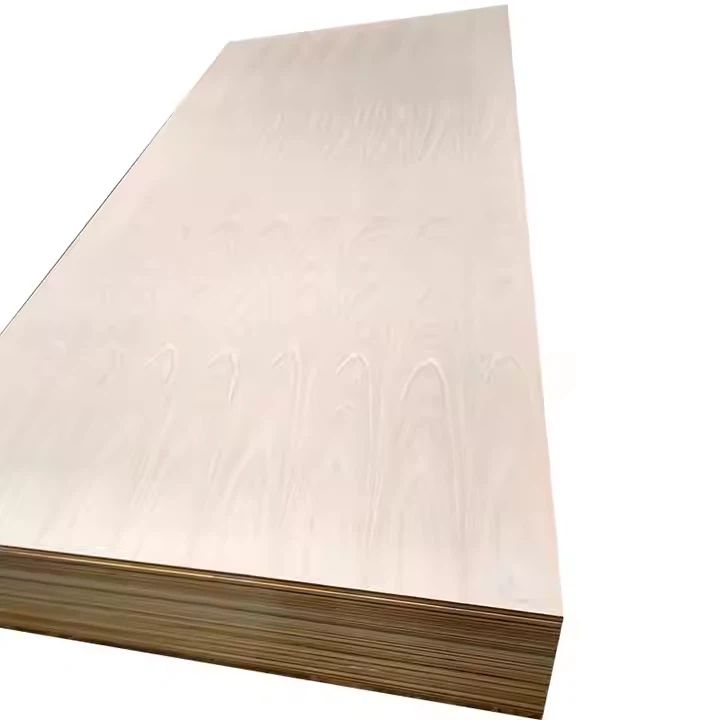
After the veneers are peeled, they're dried to a specific moisture content. This is important because if the veneers are too wet, the glue won't bond properly, and if they're too dry, the veneers can crack.
Once the veneers are dried, they're coated with glue. The veneers are then stacked on top of each other, with the grain directions of adjacent layers perpendicular. This cross - graining not only gives the plywood strength but also helps to reduce warping and shrinking.
The stacked veneers are then placed in a press. The press applies heat and pressure to the veneers, which activates the glue and bonds the layers together. The amount of heat, pressure, and time in the press depends on the type of glue and the thickness of the plywood.
Quality and Grades
Plywood comes in different grades, which are determined by the quality of the veneers and the manufacturing process. The highest grade is usually A - grade, which has a very smooth, defect - free surface. This grade is often used for high - end furniture and cabinetry.
B - grade plywood has some minor defects, such as small knots or patches, but it's still suitable for many interior applications. C - grade plywood has more visible defects and is often used in construction for things like subflooring or sheathing.
D - grade plywood has the most defects and is typically used for applications where appearance isn't important, like in temporary structures or for packaging.
Applications of Plywood
Plywood has a wide range of applications. In the construction industry, it's used for everything from framing to roofing. It provides structural support and helps to keep the building stable. Birch Construction Plywood is a great example of a plywood that's commonly used in construction. Birch is a strong wood, and the plywood made from it can handle the stresses of building construction.
In the furniture industry, plywood is a popular choice because it's strong, relatively inexpensive, and can be easily cut and shaped. It's used to make everything from bookshelves to chairs.
Plywood is also used in the automotive and aerospace industries. In the automotive industry, it's used for interior panels and in some cases, for structural components. In the aerospace industry, lightweight plywood is used in the construction of some aircraft parts.
Why Choose Our Plywood?
As a plywood supplier, we take pride in offering high - quality plywood products. We source our wood from sustainable forests, so you can be sure that you're getting an environmentally friendly product. Our manufacturing process is carefully monitored to ensure that each sheet of plywood meets the highest standards of quality.
Whether you're a contractor looking for construction - grade plywood or a furniture maker in need of a high - quality hardwood plywood, we've got you covered. Our wide range of products, including Aspenite Plywood, 14mm Oak Plywood, and Birch Construction Plywood, means that you can find the perfect plywood for your project.
If you're interested in purchasing plywood for your next project, we'd love to hear from you. Contact us to discuss your requirements and get a quote. We're here to help you make the right choice and ensure that your project is a success.
References
- "Wood Handbook: Wood as an Engineering Material." Forest Products Laboratory.
- "Plywood Manufacturing and Technology." Various industry publications.