

The acoustic performance of building materials is a crucial aspect that significantly impacts the comfort and functionality of indoor spaces. As a supplier of H20 Timber Beam, I am often asked about its acoustic properties. In this blog, we will delve into the acoustic performance of H20 Timber Beam, exploring how it behaves in different scenarios and its advantages in construction projects.
Understanding Acoustic Performance
Before we discuss the acoustic performance of H20 Timber Beam, it's essential to understand what acoustic performance means. Acoustic performance refers to how well a material can absorb, reflect, or transmit sound. In building construction, good acoustic performance can reduce noise transmission between rooms, enhance privacy, and create a more comfortable environment for occupants.
There are several key factors that influence the acoustic performance of a material, including its density, porosity, and structure. Dense materials tend to reflect sound, while porous materials can absorb sound waves. The structure of a material also plays a role, as materials with complex internal structures can scatter and absorb sound more effectively.
Acoustic Properties of H20 Timber Beam
H20 Timber Beam is a popular choice in construction due to its strength, durability, and versatility. When it comes to acoustic performance, H20 Timber Beam has several characteristics that make it a good option for reducing noise.
Density and Sound Transmission
The density of H20 Timber Beam is relatively high compared to some other types of timber, which means it can provide a certain degree of sound insulation. Sound waves have more difficulty passing through a dense material, so H20 Timber Beam can help to reduce the transmission of airborne noise between different areas of a building.
For example, in a multi - story building, using H20 Timber Beam in the floor and wall structures can help to prevent the spread of noise from one floor to another. This is particularly important in residential buildings, where noise from neighbors can be a significant source of annoyance.
Porosity and Sound Absorption
Although H20 Timber Beam is not as porous as some specialized acoustic materials, it still has some natural porosity that allows it to absorb a certain amount of sound. The small air pockets within the timber can trap sound waves, converting the sound energy into heat energy through friction.
This sound absorption property can be beneficial in spaces where reverberation needs to be controlled, such as auditoriums, classrooms, and offices. By reducing the amount of reflected sound, H20 Timber Beam can help to create a more acoustically balanced environment.
Structural Design and Acoustic Performance
The unique H - shaped design of H20 Timber Beam also contributes to its acoustic performance. The shape provides additional stiffness and stability, which can help to reduce the vibration and resonance that can transmit sound. When a sound wave hits the beam, the H - shape helps to disperse the energy, preventing it from being efficiently transmitted through the structure.
Comparing with Other Timber Products
To better understand the acoustic performance of H20 Timber Beam, it's useful to compare it with other timber products commonly used in construction.
Pine LVL Beam
Pine LVL Beam is another popular timber product. While Pine LVL Beam also has good structural properties, its acoustic performance may differ from that of H20 Timber Beam. Pine LVL Beam is typically made from multiple layers of veneer, which can have a different density and porosity compared to H20 Timber Beam.
In some cases, Pine LVL Beam may be more effective at sound absorption due to its layered structure, which can provide more opportunities for sound waves to be trapped and absorbed. However, the overall sound insulation performance may be similar to H20 Timber Beam, depending on the specific application and installation.
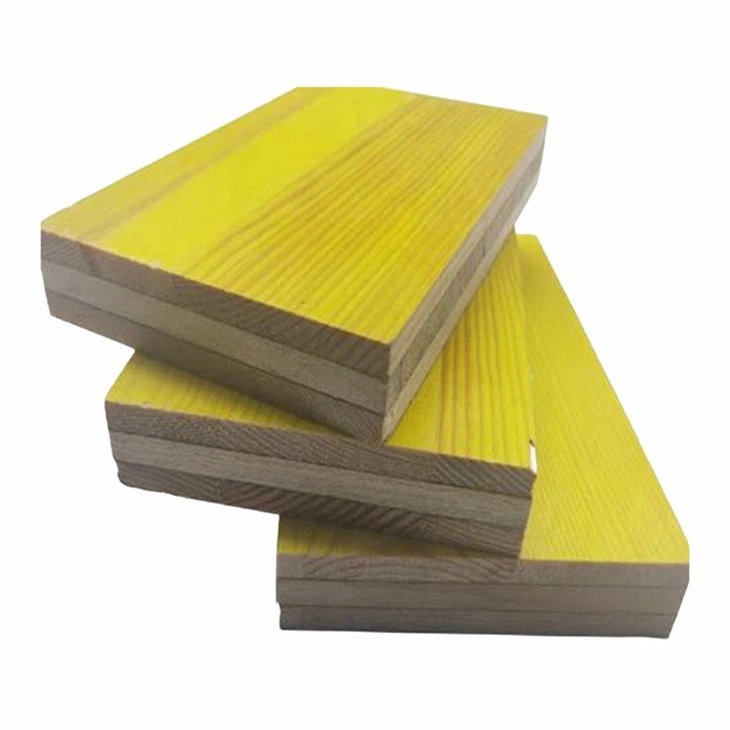
3 Ply Yellow Shuttering Panel
3 Ply Yellow Shuttering Panel is often used in formwork for concrete construction. In terms of acoustic performance, 3 Ply Yellow Shuttering Panel is generally less effective than H20 Timber Beam. The panel is thinner and less dense, which means it offers less resistance to sound transmission.
However, 3 Ply Yellow Shuttering Panel can still contribute to the overall acoustic environment when used in combination with other materials. For example, when used as part of a wall or floor assembly, it can help to add an additional layer of sound insulation.
Applications and Acoustic Benefits
The acoustic performance of H20 Timber Beam makes it suitable for a wide range of applications in construction.
Residential Buildings
In residential buildings, H20 Timber Beam can be used in the construction of floors, walls, and ceilings. By reducing noise transmission between rooms and floors, it can enhance the comfort and privacy of the living environment. For example, using H20 Timber Beam in the floor joists can prevent the sound of footsteps from being heard in the room below.

Commercial Buildings
Commercial buildings such as offices, hotels, and restaurants also benefit from the acoustic properties of H20 Timber Beam. In offices, it can help to create a quiet working environment by reducing noise from adjacent workspaces. In hotels and restaurants, it can enhance the dining and staying experience by minimizing noise interference.
Educational and Cultural Buildings
Educational institutions like schools and universities, as well as cultural buildings such as museums and theaters, require good acoustic performance. H20 Timber Beam can be used to control reverberation and reduce noise transmission, ensuring that students can learn effectively and audiences can enjoy cultural events without being disturbed by excessive noise.
Installation and Acoustic Optimization
To maximize the acoustic performance of H20 Timber Beam, proper installation is crucial. Here are some tips for installation:
- Sealing and Insulation: When installing H20 Timber Beam, make sure to seal any gaps and joints properly. Using acoustic sealants can help to prevent sound leakage. Additionally, adding insulation materials such as fiberglass or mineral wool around the beams can further enhance the sound insulation.
- Isolation: Isolate the H20 Timber Beam from other structural elements to reduce the transmission of vibration - induced sound. Using rubber or cork pads can help to decouple the beam from the surrounding structure.
- Proper Spacing: Ensure that the H20 Timber Beams are spaced correctly according to the design requirements. Improper spacing can affect the structural integrity and acoustic performance of the building.
Conclusion
In conclusion, H20 Timber Beam offers a good balance of strength, durability, and acoustic performance. Its density, porosity, and unique H - shaped design contribute to its ability to reduce noise transmission and absorption. Compared to other timber products, it has its own advantages in terms of acoustic performance.
Whether you are building a residential, commercial, or educational building, H20 Timber Beam can be a valuable choice for creating a more acoustically comfortable environment. If you are interested in learning more about H20 Timber Beam or are considering using it in your next project, please feel free to contact us for more information and to discuss your procurement needs. We are here to provide you with high - quality products and professional advice.
References
- "Building Acoustics: Principles and Practice" by Trevor Cox and Peter D'Antonio
- "Timber Construction Manual" by the American Forest & Paper Association