

As a timber supplier, I've spent years understanding the ins and outs of timber storage. It's not just about stacking wood in a corner; proper storage is crucial to maintaining the quality and integrity of the timber, ensuring it meets the high - standards expected by our customers. In this blog, I'll share the best ways to store timber, drawing from my extensive experience in the industry.
Understanding Timber Characteristics
Before delving into storage methods, it's essential to understand the basic characteristics of timber. Timber is a natural material that can be affected by various environmental factors such as moisture, temperature, and pests. Different types of timber, like softwoods and hardwoods, have different properties and may require specific storage conditions.
Softwoods, for example, are generally more porous and can absorb moisture more quickly. Hardwoods, on the other hand, are denser but still susceptible to environmental changes. Pine, a common softwood, is widely used in construction, and products like Pine LVL Beam need proper storage to maintain their strength and durability.
Controlling Moisture
Moisture is one of the biggest enemies of timber. Excessive moisture can lead to warping, cracking, and the growth of fungi and mold. To control moisture, the storage area should have a stable relative humidity level. Ideally, the relative humidity should be kept between 30% and 60%.
One effective way to control moisture is by using a dehumidifier in an enclosed storage space. If the storage area is open - air, proper ventilation is crucial. Timber should be stacked in a way that allows air to circulate freely around each piece. Elevating the timber off the ground using pallets or blocks can prevent it from absorbing moisture from the ground.
For example, when storing H20 Timber 3 - ply, which is often used in formwork, ensuring proper moisture control will prevent the layers from delaminating and maintain its structural integrity.
Temperature Management
Temperature also plays a significant role in timber storage. Extreme temperature fluctuations can cause the timber to expand and contract, leading to internal stresses and potential damage. The storage area should be kept at a relatively stable temperature.
In cold climates, timber should be protected from freezing temperatures, as this can cause the water within the wood cells to freeze and expand, damaging the cell structure. In hot climates, overheating can dry out the timber too quickly, leading to cracking.
A well - insulated storage facility can help maintain a stable temperature. If outdoor storage is necessary, covering the timber with a breathable tarp can provide some protection from direct sunlight and extreme temperature changes. For instance, H20 Timber Beam, which is used in heavy - duty construction, needs to be stored in a temperature - controlled environment to ensure its long - term performance.
Pest and Rot Prevention
Pests such as termites, wood borers, and fungi can cause significant damage to timber. To prevent pest infestations, the storage area should be kept clean and free of debris. Regular inspections should be carried out to detect any signs of pests early.
Applying a suitable preservative treatment to the timber before storage can also provide an extra layer of protection. Some timbers come pre - treated, but for others, a post - purchase treatment may be necessary.
To prevent rot, timber should be kept dry. As mentioned earlier, proper moisture control is the key. If any signs of rot are detected, the affected pieces should be removed immediately to prevent the spread of the fungus to other timber.
Stacking and Organization
Proper stacking and organization are essential for efficient timber storage. Timber should be stacked in a way that minimizes the risk of damage. The pieces should be aligned straight and stacked evenly to prevent uneven pressure and warping.
Using spacers between layers of timber can improve air circulation and prevent the pieces from sticking together. Labels or tags can be used to identify different types, sizes, and grades of timber, making it easier to locate specific pieces when needed.
For large - scale storage, a systematic storage layout can be designed. For example, timber can be grouped by type, size, or intended use. This not only makes it easier to manage the inventory but also reduces the time spent searching for specific timber products.
Indoor vs. Outdoor Storage
Both indoor and outdoor storage have their advantages and disadvantages. Indoor storage provides better protection from the elements, including rain, snow, and direct sunlight. It also allows for better control of temperature and humidity. However, indoor storage may be more expensive, especially if a large amount of space is required.
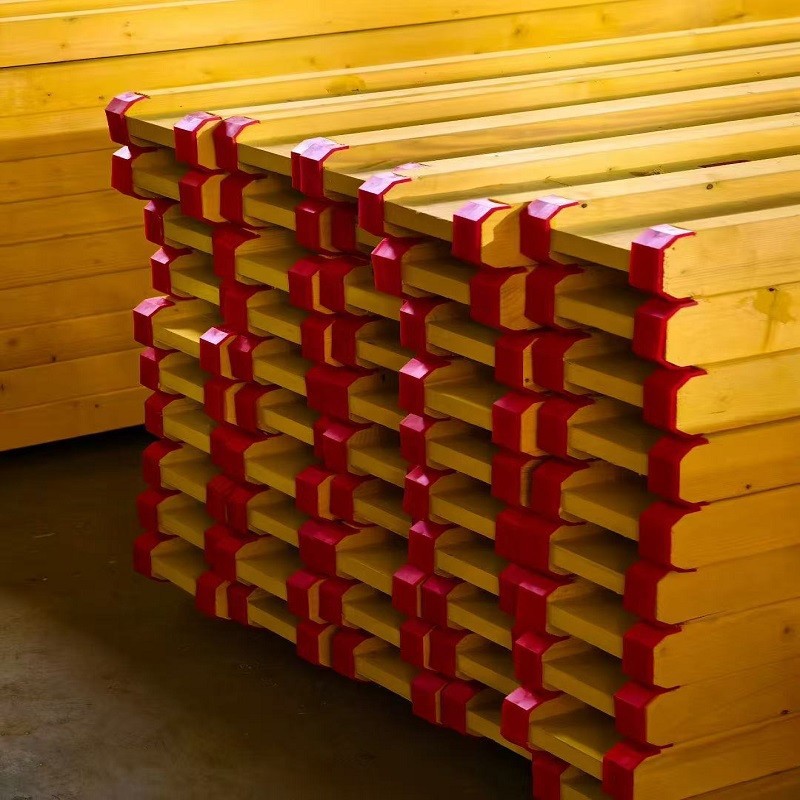

Outdoor storage is more cost - effective and can be suitable for certain types of timber. However, it requires more careful planning to protect the timber from environmental factors. As mentioned earlier, proper ventilation, elevation, and covering are essential for outdoor storage.
In some cases, a combination of indoor and outdoor storage may be the best solution. High - value or sensitive timber products can be stored indoors, while more robust and less - sensitive timber can be stored outdoors.
Monitoring and Maintenance
Once the timber is stored, regular monitoring and maintenance are necessary. This includes checking the moisture content, inspecting for signs of pests or rot, and ensuring the stacking remains stable.
Moisture meters can be used to regularly check the moisture content of the timber. If the moisture content is outside the recommended range, appropriate measures should be taken, such as adjusting the ventilation or using a dehumidifier.
Inspections for pests and rot should be carried out at least once a month. Any damaged or affected timber should be removed and disposed of properly.
In addition, the storage area itself should be maintained. This includes cleaning the floors, repairing any damage to the storage structure, and ensuring the ventilation systems are working properly.
Conclusion
Proper timber storage is a multi - faceted process that requires careful consideration of various factors such as moisture, temperature, pests, and organization. By following the best practices outlined in this blog, we can ensure that the timber we supply maintains its quality and integrity.
As a timber supplier, we are committed to providing our customers with the highest - quality timber products. If you are in the market for timber, I encourage you to reach out to us for a detailed discussion about your specific needs. Whether you need Pine LVL Beam, H20 Timber 3 - ply, or H20 Timber Beam, we have the expertise and resources to meet your requirements. Contact us today to start the procurement process and find the best timber solutions for your projects.
References
- Forest Products Laboratory. (2010). Wood Handbook: Wood as an Engineering Material. Madison, WI: U.S. Department of Agriculture, Forest Service.
- Simpson, W. T. (2017). Wood Durability and Protection: Principles, Processes, and Applications. Boca Raton, FL: CRC Press.
- Youngquist, J. A., & Winandy, J. E. (1998). Moisture Relations and Physical Properties of Wood. Madison, WI: U.S. Department of Agriculture, Forest Service.