

Hey there! As a supplier of H20 Timber Beam, I often get asked about the cross - sectional shape of this popular construction material. So, let's dive right into it and explore what makes the cross - sectional shape of H20 Timber Beam so unique and useful.
First off, the H20 Timber Beam has a distinct H - shaped cross - section. This shape is not just for show; it's designed with functionality in mind. The two horizontal flanges at the top and bottom of the H provide a large surface area. This large surface area is great for distributing loads evenly. When you're using these beams in construction, whether it's for a building framework, a formwork system, or other structural applications, the ability to spread the load is crucial. It helps prevent stress concentrations in one particular area, which can lead to premature failure of the beam.
The vertical web in the middle of the H serves as a connection between the two flanges. It adds stability to the beam. Think of it like the backbone of the structure. Without this web, the flanges would be much more likely to buckle or separate under heavy loads. The web also helps in resisting shear forces. Shear forces occur when different parts of the beam are pushed in opposite directions horizontally. In construction, these forces are quite common, especially in areas where there are lateral loads, like wind or seismic activity.
One of the big advantages of the H - shaped cross - section is its strength - to - weight ratio. The H20 Timber Beam is relatively lightweight compared to some other types of beams with similar load - bearing capacities. This makes it easier to handle on the construction site. Workers can move and install these beams without having to use overly heavy - duty equipment all the time. It also reduces transportation costs since less fuel is needed to move lighter materials.
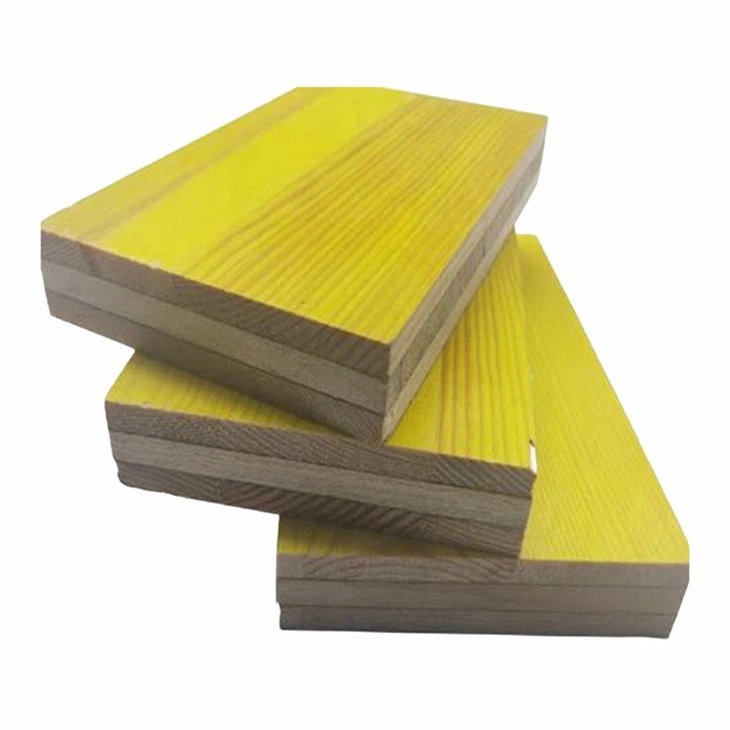
Another benefit is the versatility of the H20 Timber Beam. The shape allows for easy connection to other components. You can attach other beams, panels, or supports to it using a variety of methods, such as nails, screws, or brackets. This flexibility makes it a popular choice in many different construction projects. For example, in formwork systems, the H20 Timber Beam can be used as a joist or a ledger, and it can be easily integrated with other elements like Pine LVL Beam or 3 Ply Yellow Shuttering Panel.
Now, let's talk about the materials used in the H20 Timber Beam. These beams are typically made from high - quality timber. The timber is carefully selected and processed to ensure that it meets the required strength and durability standards. The manufacturing process involves laminating the timber layers together, which further enhances the beam's strength and stability.
In terms of size, the standard H20 Timber Beam has a specific set of dimensions for its cross - section. The width of the flanges and the height of the web are designed to optimize its performance. However, we can also customize the size of the beam according to the specific needs of a project. Whether you need a wider flange for more load - bearing capacity or a taller web for increased shear resistance, we can work with you to get the right dimensions.
When it comes to installation, the H - shaped cross - section makes it quite straightforward. You just need to make sure that the beams are properly aligned and supported. Since the flanges provide a flat surface, it's easy to place other materials on top of them. Whether you're putting up a deck, a roof, or a wall, the H20 Timber Beam can be a reliable choice.
The H20 Timber Beam is also environmentally friendly. Timber is a renewable resource, and when sourced from sustainable forests, it has a much lower carbon footprint compared to some other construction materials like steel or concrete. By choosing H20 Timber Beam, you're not only getting a high - performing product but also contributing to a more sustainable construction industry.
If you're involved in a construction project, whether it's a small DIY job or a large - scale commercial building, the H20 Timber Beam could be a great option for you. Its unique H - shaped cross - section offers a combination of strength, versatility, and ease of use that's hard to beat.
So, if you're interested in learning more about our H20 Timber Beam or want to discuss your specific project requirements, don't hesitate to reach out. We're here to help you make the best choice for your construction needs. Whether you have questions about the cross - sectional shape, the installation process, or the pricing, we've got the answers.

In conclusion, the cross - sectional shape of the H20 Timber Beam is a key factor in its success in the construction industry. The H - shape provides strength, stability, and versatility, making it a top choice for many different types of projects. If you're in the market for a reliable and high - performing construction beam, give the H20 Timber Beam a serious consideration.
References
- Construction Materials Handbook: A Guide to Selection and Use
- Timber Engineering Principles and Practice