

As a supplier of Pine LVL (Laminated Veneer Lumber) Beams, I've witnessed firsthand the increasing demand for this versatile and durable building material. One of the common concerns among our clients is how Pine LVL Beams resist pests. In this blog, I'll delve into the science behind their pest resistance, the factors that contribute to it, and how you can ensure your Pine LVL Beams remain pest - free.
Understanding Pine LVL Beams
Pine LVL Beams are engineered wood products made by bonding multiple layers of thin pine veneers together with adhesives. The veneers are typically arranged with their grain parallel to each other, which gives the beam enhanced strength and stability compared to solid wood. You can learn more about Pine LVL Beam on our website.
Natural Resistance of Pine
Pine, the primary material for LVL Beams, has some natural properties that offer a certain level of pest resistance. Pine contains natural resins and oils that can act as deterrents to some pests. For example, certain types of pine emit a scent that pests find unappealing. These natural compounds can create a less - inviting environment for insects like termites and carpenter ants.
However, it's important to note that the natural resistance of pine alone is not sufficient to completely protect the beams from all pests in all conditions. Different species of pine may have varying levels of natural resistance, and factors such as the age of the tree, the growing conditions, and the specific pest species in the area can all influence the effectiveness of this natural defense.
Treatment Processes
To enhance the pest - resistance of Pine LVL Beams, we use advanced treatment processes. One of the most common methods is pressure - treating. In this process, the beams are placed in a sealed chamber, and a preservative solution is forced into the wood under high pressure. This ensures that the preservative penetrates deep into the wood fibers, providing long - lasting protection.
The preservatives used in pressure - treating are carefully selected to target specific pests. For example, copper - based preservatives are effective against termites, fungi, and some wood - boring beetles. These chemicals work by disrupting the pests' metabolic processes or by creating a toxic environment for them.
Another treatment option is the use of surface treatments. Surface treatments can be applied after the beam is manufactured and can provide an additional layer of protection. These treatments can form a barrier on the surface of the wood, preventing pests from accessing the wood fibers. Some surface treatments also contain repellents that discourage pests from landing on or entering the beam.
Structural Design and Pest Resistance
The design of Pine LVL Beams also plays a role in their pest resistance. The laminated structure of LVL Beams makes them less prone to cracking and splitting compared to solid wood. Cracks and splits in wood can provide entry points for pests, as they can allow insects to burrow into the wood more easily.
Additionally, the consistent quality and density of Pine LVL Beams mean that there are fewer voids and weak spots in the wood. Pests often target these areas as they are easier to penetrate. By having a more uniform structure, Pine LVL Beams reduce the opportunities for pests to establish a foothold.
Environmental Factors
The environment in which the Pine LVL Beams are installed can significantly impact their pest resistance. For example, in areas with high humidity, there is a greater risk of fungal growth, which can attract pests. To mitigate this risk, proper ventilation and moisture control measures should be in place.
If the beams are in contact with the ground or are exposed to standing water, they are more likely to be attacked by pests. To prevent this, it's important to install the beams on a proper foundation and ensure that there is adequate drainage around the structure.
Comparison with Other Building Materials
When compared to other building materials, Pine LVL Beams offer several advantages in terms of pest resistance. For instance, 3 Ply Yellow Shuttering Panel is a popular building material, but it may not have the same level of pest - resistance as Pine LVL Beams. Shuttering panels are often used in temporary structures and may not be as well - protected against pests.
H20 Timber Beam is another option, but Pine LVL Beams can be more consistent in their pest - resistance due to the manufacturing process and the use of preservatives. H20 Timber Beams may have more natural variations in their structure, which can create areas more vulnerable to pests.
Maintenance for Long - Term Pest Resistance
Even with the best treatment and design, proper maintenance is essential to ensure the long - term pest resistance of Pine LVL Beams. Regular inspections should be carried out to check for any signs of pest activity, such as holes, sawdust, or damage to the wood. If any signs of pests are detected, prompt action should be taken.
It's also important to keep the area around the beams clean and free of debris. Debris can attract pests and provide a hiding place for them. Additionally, any damaged or worn - out parts of the beams should be repaired or replaced as soon as possible to prevent pests from exploiting these weaknesses.
Conclusion
Pine LVL Beams offer a high level of pest resistance through a combination of natural properties, advanced treatment processes, and smart design. However, it's important to understand that pest resistance is not absolute, and proper installation, maintenance, and environmental management are crucial for long - term protection.
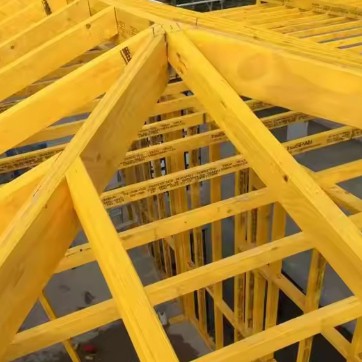

If you're considering using Pine LVL Beams for your next construction project, I encourage you to reach out to us. We can provide you with more detailed information about our products, their pest - resistance features, and how they can meet your specific needs. Whether you're building a small residential structure or a large commercial building, our Pine LVL Beams are a reliable and cost - effective choice.
Contact us today to start a conversation about your Pine LVL Beam requirements and let's work together to create a pest - free and durable building solution.
References
- Forest Products Laboratory. (2010). Wood Handbook: Wood as an Engineering Material. Madison, WI: U.S. Department of Agriculture, Forest Service.
- Scheffrahn, R. H., & Su, N. Y. (2000). Biology and Management of Subterranean Termites in the United States. Gainesville, FL: University of Florida, Institute of Food and Agricultural Sciences.
- Smith, I. M., & Busby, H. R. (2013). Timber Engineering. London: Spon Press.