

Hey there! As a timber supplier, I've had my fair share of questions about how timber performs when it comes to insulation. It's a topic that's super important, especially for those looking to build energy - efficient homes or structures. So, let's dive right in and explore this together.
First off, let's understand what insulation means. In simple terms, insulation is all about reducing the transfer of heat. We want to keep the heat inside during the cold months and outside during the hot ones. Timber has some unique properties that make it a pretty good option for insulation.
One of the key factors is its cellular structure. Timber is made up of tiny cells that are filled with air. Air is a great insulator because it doesn't conduct heat well. When heat tries to pass through timber, it has to move through these air - filled cells, which slows down the heat transfer process. This natural insulation property is a big plus for timber.
Now, different types of timber can have varying insulation capabilities. For example, softwoods like pine often have good insulation values. Pine has a relatively low density compared to some hardwoods, and this lower density means there are more air spaces within the wood, enhancing its insulating properties.
Let's talk about some of the timber products we offer. The H20 Timber Beam is a great choice for structural applications. Not only is it strong and reliable for supporting loads in buildings, but it also provides a decent level of insulation. Its structure allows it to slow down the heat transfer, helping to keep the interior temperature more stable.
Another product is the 3 Ply Yellow Shuttering Panel. These panels are commonly used in construction for formwork, but they also have insulation benefits. The multiple layers of timber and the way they are bonded together create additional barriers for heat transfer. Each layer adds to the overall insulating capacity of the panel.

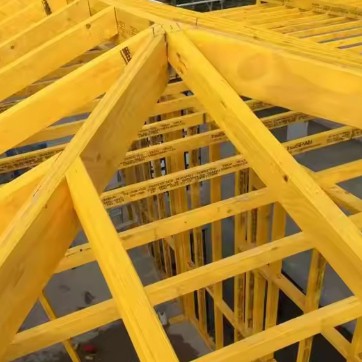
The Pine LVL Beam is also worth mentioning. Laminated Veneer Lumber (LVL) is made by bonding thin layers of veneer together. This process not only gives the beam great strength but also improves its insulation. The glue used in the bonding process can also act as an additional barrier to heat flow.
But how does timber compare to other insulation materials? Well, compared to materials like concrete or steel, timber is a much better insulator. Concrete and steel are good conductors of heat, which means they can quickly transfer heat in and out of a building. Timber, on the other hand, acts as a buffer, reducing the rate of heat transfer.
However, it's important to note that timber's insulation performance can be affected by a few factors. Moisture is a big one. If timber gets wet, its insulation properties can be significantly reduced. Water is a good conductor of heat, so when it fills the air spaces in the wood, it allows heat to pass through more easily. That's why proper moisture control is crucial when using timber for insulation.
Another factor is the thickness of the timber. Generally, the thicker the timber, the better its insulation. A thicker piece of wood provides more of a barrier for heat to pass through. So, when choosing timber for insulation, you need to consider the thickness based on your specific needs.
Let's also touch on the environmental aspect. Timber is a renewable resource, which is a huge plus in today's world. When compared to some synthetic insulation materials that are made from non - renewable resources and can have a negative impact on the environment during production, timber is a more sustainable option.
In terms of installation, timber is relatively easy to work with. It can be cut, shaped, and installed using common tools. This makes it a popular choice for DIY enthusiasts as well as professional builders. You can use timber for wall framing, roofing, and even floor insulation.
Now, let's talk about some real - world applications. In residential buildings, timber can be used in the walls to create a thermal barrier. By using insulated timber frames, you can significantly reduce the energy consumption of a home. In commercial buildings, timber can be used in partitions and ceilings to improve the overall insulation of the space.
So, if you're in the market for timber products for insulation or any other construction needs, I'd love to have a chat. Whether you're building a small cabin in the woods or a large commercial complex, our timber products can offer the insulation and structural support you need. Just reach out, and we can discuss your project in detail.
In conclusion, timber performs quite well in terms of insulation. Its natural cellular structure, combined with its ease of use and environmental friendliness, makes it a great choice for a variety of construction projects. Whether you choose the H20 Timber Beam, 3 Ply Yellow Shuttering Panel, or Pine LVL Beam, you're getting a product that can help you create a more energy - efficient and comfortable space.
References
- "Wood as a Building Material" - A comprehensive guide on the properties and uses of wood in construction.
- "Insulation Basics" - An article explaining the principles of insulation and different insulation materials.