

Black faced plywood is a versatile and widely used material in the construction and woodworking industries. Its black surface not only provides an aesthetically pleasing finish but also offers enhanced durability and protection. As a supplier of black faced plywood, I often receive inquiries about how to repair damaged sheets. In this blog post, I will share some practical tips and techniques to help you restore your damaged black faced plywood to its former glory.
Understanding Black Faced Plywood
Before delving into the repair process, it's essential to understand what black faced plywood is and how it's made. Black faced plywood, also known as Black Shuttering Plywood, is typically made by applying a thin layer of black film or coating to the surface of regular plywood. This film can be made from various materials, such as melamine, phenolic resin, or PVC, and it provides a smooth, durable, and water-resistant surface.
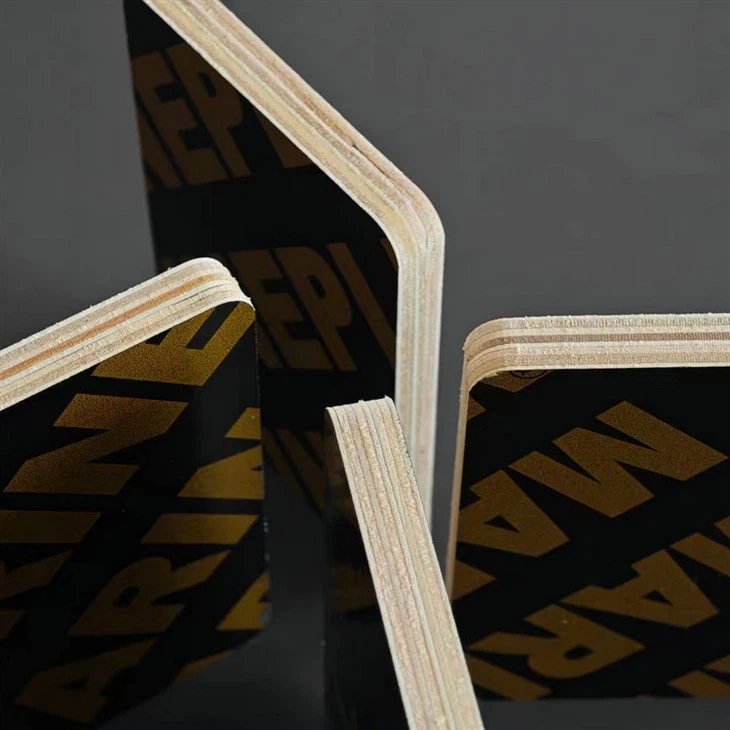

There are different types of black faced plywood available in the market, including Film Coated Plywood and Film Faced Plywood. Each type has its own unique characteristics and applications, but the basic repair principles remain the same.
Common Types of Damage
Black faced plywood can be damaged in various ways, depending on its usage and environment. Some of the most common types of damage include:
- Scratches: These can occur during handling, transportation, or normal use. Minor scratches may only affect the surface film, while deeper scratches can penetrate the plywood layers.
- Dents and Gouges: Heavy objects or sharp tools can cause dents and gouges in the plywood surface. These can be particularly unsightly and may also weaken the structural integrity of the plywood.
- Burns and Stains: Exposure to heat, chemicals, or other substances can cause burns and stains on the black faced plywood. These can be difficult to remove and may require special treatment.
- Water Damage: If the plywood is exposed to water for an extended period, it can cause the film to delaminate, the plywood to warp, or the edges to swell.
Repairing Minor Scratches
Minor scratches on the surface of black faced plywood can often be repaired using simple household items. Here's a step-by-step guide on how to do it:
- Clean the Surface: Use a mild detergent and water to clean the scratched area. This will remove any dirt, dust, or debris that may interfere with the repair process.
- Sand the Scratch: Use fine-grit sandpaper (around 220 grit) to gently sand the scratch. This will smooth out the edges and remove any rough spots. Be careful not to sand too hard, as this can damage the surface film.
- Apply a Touch-Up Pen or Marker: There are special touch-up pens and markers available in the market that are designed to match the color of black faced plywood. Choose a pen or marker that closely matches the color of your plywood and apply it to the scratch. Follow the instructions on the pen or marker for best results.
- Buff the Area: Once the touch-up pen or marker has dried, use a soft cloth to buff the area gently. This will blend the repair with the surrounding surface and give it a more seamless appearance.
Repairing Dents and Gouges
Dents and gouges in black faced plywood require a more involved repair process. Here's how you can fix them:
- Fill the Dent or Gouge: Use a wood filler or epoxy resin that is compatible with plywood to fill the dent or gouge. Apply the filler or resin to the damaged area using a putty knife, making sure to fill it completely. Smooth the surface of the filler or resin with the putty knife, removing any excess material.
- Sand the Filled Area: Once the filler or resin has dried, use fine-grit sandpaper (around 220 grit) to sand the filled area until it is smooth and level with the surrounding surface. Be careful not to sand too much, as this can create a depression in the plywood.
- Apply a New Film or Coating: If the dent or gouge was deep enough to damage the surface film, you may need to apply a new film or coating to the repaired area. You can purchase pre-cut film or coating sheets that are designed to match the size and color of your plywood. Follow the instructions on the film or coating sheet for proper installation.
- Seal the Edges: To prevent water from seeping into the repaired area, use a wood sealer or paint to seal the edges of the plywood. This will help to protect the repair and extend the lifespan of the plywood.
Repairing Burns and Stains
Burns and stains on black faced plywood can be challenging to remove, but with the right approach, it is possible. Here's what you can do:
- Assess the Damage: Determine the extent of the burn or stain and whether it has penetrated the surface film. If the damage is only superficial, you may be able to remove it using a cleaning solution. If the damage is more severe, you may need to replace the damaged section of the plywood.
- Clean the Area: Use a mild detergent and water to clean the burned or stained area. This will remove any loose debris and prepare the surface for further treatment.
- Apply a Cleaning Solution: There are various cleaning solutions available in the market that are designed to remove burns and stains from wood surfaces. Choose a cleaning solution that is suitable for black faced plywood and follow the instructions on the product label. Apply the cleaning solution to the burned or stained area using a soft cloth or sponge, and let it sit for the recommended amount of time.
- Scrub the Area: After the cleaning solution has had time to work, use a soft-bristled brush to scrub the burned or stained area gently. Be careful not to scrub too hard, as this can damage the surface film. Rinse the area with clean water and dry it thoroughly.
- Repeat the Process if Necessary: If the burn or stain is still visible after the first treatment, you may need to repeat the process several times until it is completely removed.
Repairing Water Damage
Water damage is one of the most serious problems that can affect black faced plywood. If the plywood has been exposed to water for an extended period, it may need to be replaced. However, if the water damage is minor, you may be able to repair it using the following steps:
- Dry the Plywood: Remove the plywood from the wet area and place it in a well-ventilated area to dry. You can use a fan or a dehumidifier to speed up the drying process. Make sure the plywood is completely dry before proceeding with the repair.
- Assess the Damage: Once the plywood is dry, examine it carefully to determine the extent of the water damage. If the film has delaminated or the plywood has warped, you may need to replace the damaged section. If the damage is only minor, you can proceed with the repair.
- Sand the Surface: Use fine-grit sandpaper (around 220 grit) to sand the water-damaged area. This will remove any loose or damaged film and prepare the surface for the application of a new film or coating.
- Apply a New Film or Coating: As mentioned earlier, there are pre-cut film or coating sheets available in the market that are designed to match the size and color of your plywood. Choose a film or coating sheet that is suitable for water-damaged plywood and apply it to the repaired area. Follow the instructions on the film or coating sheet for proper installation.
- Seal the Edges: To prevent future water damage, use a wood sealer or paint to seal the edges of the plywood. This will help to protect the repair and extend the lifespan of the plywood.
Preventing Future Damage
Preventing damage to black faced plywood is always better than having to repair it. Here are some tips on how to prevent future damage:
- Handle with Care: When handling black faced plywood, be careful not to scratch, dent, or gouge the surface. Use proper lifting techniques and avoid dragging the plywood across rough surfaces.
- Store Properly: Store black faced plywood in a dry, well-ventilated area. Avoid storing it in direct sunlight or in areas with high humidity, as this can cause the plywood to warp or the film to delaminate.
- Use Protective Covers: If you are using black faced plywood in a high-traffic area or in an environment where it is likely to be damaged, consider using protective covers or mats. This will help to prevent scratches, dents, and other types of damage.
- Clean Regularly: Regularly clean black faced plywood using a mild detergent and water. This will remove any dirt, dust, or debris that may accumulate on the surface and prevent it from causing damage.
Conclusion
Repairing damaged black faced plywood is a relatively simple process that can be done using basic tools and materials. By following the tips and techniques outlined in this blog post, you can restore your damaged plywood to its former glory and extend its lifespan. Remember, prevention is always better than cure, so take steps to protect your black faced plywood from damage in the first place.
If you have any further questions or need more information about black faced plywood or its repair, please feel free to contact us. We are a leading supplier of black faced plywood and other wood products, and we would be happy to assist you with your needs. Whether you are a contractor, a woodworker, or a DIY enthusiast, we have the products and expertise to help you get the job done right. Contact us today to learn more about our products and services and to start your next project with confidence.
References
- Wood Handbook: Wood as an Engineering Material. U.S. Department of Agriculture, Forest Service, Forest Products Laboratory.
- Plywood Manufacturing and Technology. William R. Tippens.
- Repairing and Restoring Wood Furniture. Linda H. Thistlethwaite.